
Leather dog collars combine timeless style with strength, making them a favorite among pet owners who value both function and aesthetics. However, like any quality material exposed to daily wear, sweat, dirt, and moisture, leather requires consistent care. Without proper maintenance, even the finest full-grain leather can crack, stiffen, or develop unpleasant odors. The good news is that with the right techniques, you can extend the life of your dog’s collar by years—keeping it supple, safe, and looking as good as the day you bought it.
Understanding Leather Types in Dog Collars
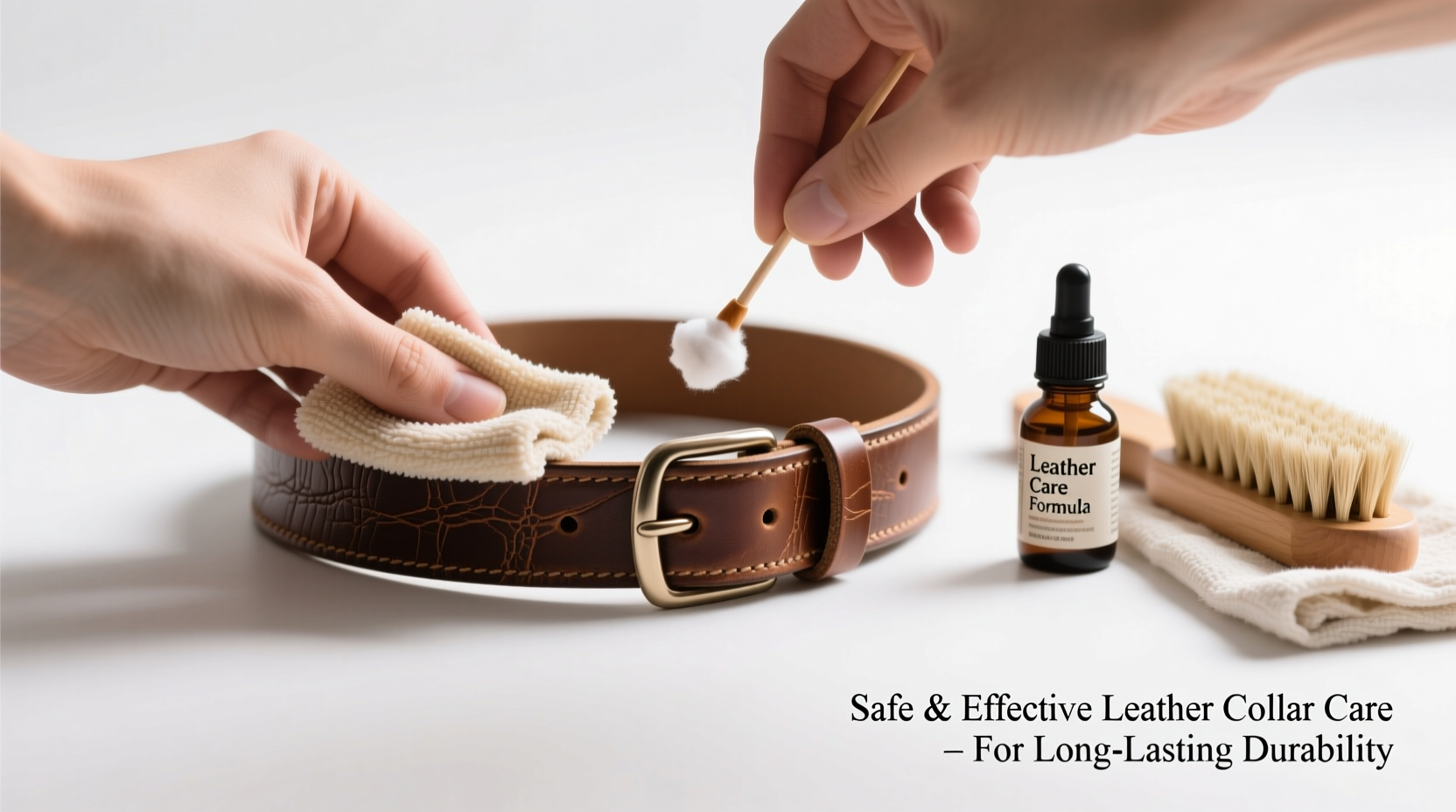
Not all leather is created equal. Knowing the type of leather used in your dog’s collar determines how you should clean and condition it. Most leather collars fall into one of three categories:
- Full-Grain Leather: The highest quality, most durable, and naturally resistant to moisture. It develops a rich patina over time but needs regular conditioning.
- Top-Grain Leather: Slightly thinner and more processed than full-grain, often used in sleeker designs. More affordable but less resilient to prolonged exposure to the elements.
- Genuine Leather: Made from leftover layers of hide, this is the least durable. While still functional, it requires extra caution during cleaning to avoid peeling or flaking.
Always check the manufacturer’s label or product description before starting any cleaning process. Using harsh methods on lower-grade leather can cause irreversible damage.
Step-by-Step Guide to Cleaning a Leather Dog Collar
Cleaning a leather collar doesn’t require specialized equipment—just patience and the right approach. Follow this timeline for a thorough yet safe clean:
- Remove the collar from your dog and inspect it for signs of excessive wear, fraying, or mold. If cracks are deep or the buckle is loose, consider replacing it.
- Wipe down the surface with a dry, soft microfiber cloth to remove loose dirt and hair.
- Prepare a gentle cleaning solution: Mix a few drops of pH-neutral soap (like baby shampoo or saddle soap) with lukewarm water in a bowl.
- Dampen a corner of a clean cloth in the solution, then wring it out until it’s only slightly moist—not wet.
- Gently wipe the entire collar, focusing on areas near the buckle and under the hardware where grime accumulates. Avoid soaking the leather.
- Let the collar air-dry at room temperature away from direct sunlight or heat sources, which can warp or shrink the leather.
- Once fully dry, apply a small amount of leather conditioner using a separate soft cloth, working it in with circular motions. Buff lightly after 10–15 minutes.
This routine should be performed every 4–6 weeks for dogs that spend significant time outdoors or swim regularly. Indoor pets may only need cleaning every 2–3 months.
Do’s and Don’ts of Leather Collar Maintenance
| Do’s | Don’ts |
|---|---|
| Use pH-balanced leather cleaners or mild saddle soap | Use household detergents or dish soap |
| Condition leather every 4–8 weeks | Over-condition—once is enough per session |
| Store collars flat or loosely rolled in a breathable cloth bag | Leave collars in hot cars or damp basements |
| Check stitching and hardware monthly | Machine wash or submerge in water |
| Rotate between multiple collars to reduce wear | Expose to excessive sunlight or artificial heat |
Real Example: How Proper Care Saved a Beloved Collar
Sarah from Portland adopted a rescue Labrador named Max, who quickly became attached to his brown leather collar. After six months of muddy walks and lake swims, the collar began to stiffen and emit a musty smell. Instead of replacing it—a sentimental item engraved with Max’s name—Sarah researched proper leather care. She cleaned it with diluted saddle soap, dried it slowly overnight, and applied a beeswax-based conditioner. Within days, the collar regained its flexibility and shine. Two years later, it remains in excellent condition thanks to quarterly maintenance. “It’s not just a collar,” she says. “It’s part of our story.”
“Leather is a natural material—it breathes, ages, and responds to care. Treat it with respect, and it will last far beyond expectations.” — Marcus Reed, Artisan Leather Goods Maker
Essential Checklist for Ongoing Leather Collar Care
- Inspect collar weekly for cracks, fraying, or odor
- Wipe down monthly with a damp microfiber cloth
- Deep clean every 4–6 weeks (more often if exposed to mud or water)
- Apply leather conditioner after each deep clean
- Store in a cool, dry place away from humidity
- Replace if structural integrity is compromised
Frequently Asked Questions
Can I use coconut oil to condition my dog’s leather collar?
While coconut oil is natural and moisturizing, it can go rancid over time and attract dust. It’s also not pH-balanced for leather. Opt instead for commercial leather conditioners specifically formulated for pet gear or footwear, which contain UV protectants and mildew inhibitors.
Is it safe to clean a leather collar with metal tags or engravings?
Yes, but take precautions. Cover engraved tags with tape or remove them if detachable. Avoid getting moisture trapped under metal components, as this can lead to rust or corrosion. Dry thoroughly after cleaning, especially around rivets and D-rings.
How do I remove stubborn odors from a leather dog collar?
First, clean the collar using the method outlined above. For lingering smells, sprinkle a small amount of baking soda on a dry cloth and gently rub the surface. Let it sit for 30 minutes in a well-ventilated area, then brush off. Never spray perfumes or alcohol-based deodorizers directly on leather.
Protecting Your Investment and Your Pet’s Comfort
A well-maintained leather collar isn’t just about appearance—it’s about safety and comfort. Cracked or brittle leather can break during a walk, potentially putting your dog at risk. Stiff collars may cause chafing or irritation, especially in active breeds. Regular care ensures the material remains flexible and strong, reducing pressure points and enhancing fit.
Additionally, conditioned leather resists bacterial growth better than neglected leather. Sweat, saliva, and environmental debris create a breeding ground for microbes if left unchecked. By incorporating simple cleaning habits into your pet care routine, you’re not only preserving the collar—you’re supporting your dog’s health.
Conclusion: Make Care a Habit, Not a Chore
Leather dog collars are built to endure, but their longevity depends on how they’re treated between adventures. With minimal effort—just a few minutes every few weeks—you can prevent deterioration, maintain elegance, and ensure your pet’s gear stays safe and comfortable. Whether you have a working dog, a show companion, or a beloved family pet, investing time in proper collar care reflects the deeper commitment you’ve made to their well-being.




 浙公网安备
33010002000092号
浙公网安备
33010002000092号 浙B2-20120091-4
Comments
No comments yet. Why don't you start the discussion?