
Teaching your dog to sit is one of the most fundamental and valuable skills in canine training. Beyond being a basic command, a calm and confident \"sit\" lays the foundation for impulse control, social behavior, and advanced obedience. A dog that can sit on cue in distracting environments demonstrates focus, trust, and emotional regulation. The key to success lies not in repetition alone, but in understanding canine learning psychology, timing, and environmental management.
Dogs don’t naturally understand human language; they respond to patterns, consequences, and body cues. Effective training aligns with how dogs process information—through association and reinforcement. When taught correctly, the \"sit\" becomes more than a trick; it becomes a reliable tool for communication and safety.
The Science Behind Calm Sitting
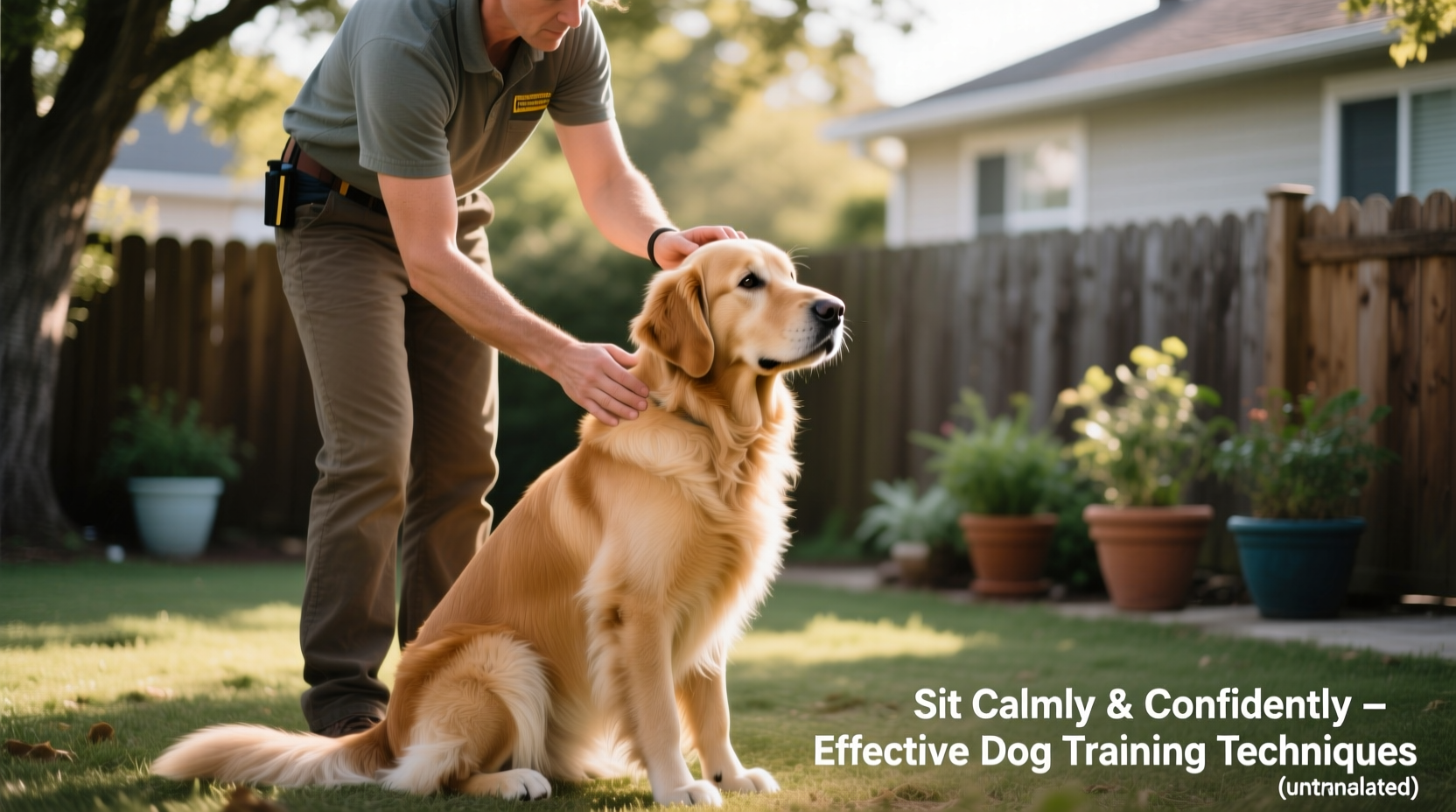
A truly calm sit goes beyond physical posture. It includes relaxed muscles, soft eyes, and an absence of fidgeting or whining. This level of composure requires more than just luring a dog into position—it demands emotional regulation. Dogs learn calmness when they are rewarded not just for performing the action, but for doing so without tension.
According to Dr. Sophia Yin, a renowned veterinary behaviorist, “Calm behavior is incompatible with excitement. By reinforcing stillness and quiet focus, we shape a dog’s ability to self-regulate.” This principle is central to teaching a confident sit. Rushing the process or rewarding frantic compliance leads to surface-level obedience, not genuine calmness.
“Training isn’t about forcing compliance. It’s about guiding your dog to choose the right behavior because it feels safe and rewarding.” — Karen Pryor, Animal Behavior Scientist and Author
Step-by-Step Guide: Building a Reliable Sit from Scratch
Whether you're working with a puppy or an adult dog, this progressive method ensures clarity and confidence:
- Create a low-distraction environment. Begin indoors, away from toys, food, or other pets. Use a quiet room with minimal movement.
- Use a high-value treat as a lure. Hold a small, smelly treat close to your dog’s nose, then slowly move it upward and slightly backward over their head. As their head follows the treat, their rear will naturally lower.
- Mark the moment the butt touches the ground. Use a clicker or a consistent verbal marker like “Yes!” the instant they sit. Immediately follow with the treat.
- Add the verbal cue. Once your dog consistently follows the lure into a sit, say “Sit” just before moving the treat. This pairs the word with the action.
- Phase out the lure. After 10–15 successful repetitions, begin making empty-handed motions. If the dog sits, mark and reward. If not, return to luring briefly.
- Introduce duration. Gradually increase the time between the sit and the reward—start with one second, then two, building up to 30 seconds or more.
- Practice in new locations. Move to slightly more stimulating areas—hallways, backyards, sidewalks—reinforcing calmness at each stage.
Common Mistakes That Undermine Progress
Even well-intentioned owners often unknowingly sabotage training. Recognizing these pitfalls can accelerate your dog’s success:
| Mistake | Why It’s Harmful | Better Approach |
|---|---|---|
| Repeating the command multiple times | Teaches the dog to ignore the first cue | Say “Sit” once, wait three seconds, then gently guide or reset |
| Punishing failed attempts | Creates anxiety and erodes trust | Ignore mistakes, reset calmly, and simplify the task |
| Expecting perfection too soon | Leads to frustration for both dog and owner | Break skills into tiny steps and celebrate small wins |
| Only practicing at home | Limits generalization of the behavior | Train in at least five different locations for true reliability |
Real Example: From Reactive to Relaxed
Max, a two-year-old German Shepherd, would lunge and bark at passing dogs during walks. His owner, Lisa, wanted him to sit calmly when encountering others. They began training in her living room, where Max could easily focus. Using chicken treats and a clicker, she shaped a soft, seated posture within three days.
The real test came at the park. At first, Max couldn’t sit when another dog was 50 feet away. Lisa adjusted by increasing distance until Max could remain calm, then gradually decreased it as he succeeded. She paired sitting with turning attention back to her—a technique called “look at me.” After six weeks of daily 10-minute sessions, Max now sits calmly when dogs pass within 15 feet, tail relaxed and gaze steady.
“It’s not just about the sit,” Lisa said. “It’s about helping him feel secure enough to choose calmness instead of reactivity.”
Checklist for Long-Term Success
- ✅ Train in short sessions (5–10 minutes) multiple times a day
- ✅ Use high-value rewards (real meat, cheese, or favorite toy)
- ✅ Practice the sit before routine activities (meals, leash attachment, door opening)
- ✅ Gradually add distractions (noise, movement, other animals)
- ✅ Reinforce calm body language, not just the physical sit
- ✅ Vary reward schedule after mastery (intermittent reinforcement builds persistence)
- ✅ End every session with a success, no matter how small
FAQ: Addressing Common Concerns
What if my dog jumps up instead of sitting?
Jumping usually means the dog is overexcited or has learned that movement gets attention. Turn your body sideways, avoid eye contact, and wait. The moment all four paws are on the ground, mark and reward. Then re-cue the sit. Never reward mid-jump—even accidentally by speaking or touching.
Can older dogs learn to sit calmly?
Absolutely. Age doesn’t impair learning, though physical limitations may require adjustments. For senior dogs with joint pain, reduce duration and use softer surfaces. Focus on mental calmness rather than prolonged sitting. Many older dogs excel because they’re less impulsive than puppies.
How long does it take to master a calm sit?
Most dogs grasp the physical motion within a few days. True calmness in varied settings takes 3–8 weeks of consistent practice. Mastery under high distraction—like a busy street or dog park—can take several months. Patience and consistency are more important than speed.
Cultivating Confidence Through Consistency
A confident sit emerges from repeated experiences of success. Each time your dog chooses to sit calmly despite temptation, their self-assurance grows. This behavior becomes a default response, not just a trained trick. Over time, you’ll notice your dog offering sits spontaneously—before meals, at curbs, or when greeting people—indicating internalized understanding.
Confidence isn’t forced; it’s earned through predictable routines, clear communication, and emotional safety. When your dog trusts that sitting leads to good outcomes, they’ll do it willingly, even when you’re silent.




 浙公网安备
33010002000092号
浙公网安备
33010002000092号 浙B2-20120091-4
Comments
No comments yet. Why don't you start the discussion?