
Clear phone cases are a favorite among smartphone owners for their sleek, minimalist look that showcases the device’s original design. However, over time, many users notice an unsightly shift: once-transparent cases turn yellow, especially around the edges and corners. This discoloration not only looks unappealing but can make a phone appear older than it is. The good news? Yellowing isn’t inevitable. With the right materials, habits, and maintenance, you can significantly delay or even prevent this issue. Understanding the causes and applying targeted prevention strategies will keep your case looking fresh for months—or even years.
Why Clear Phone Cases Turn Yellow
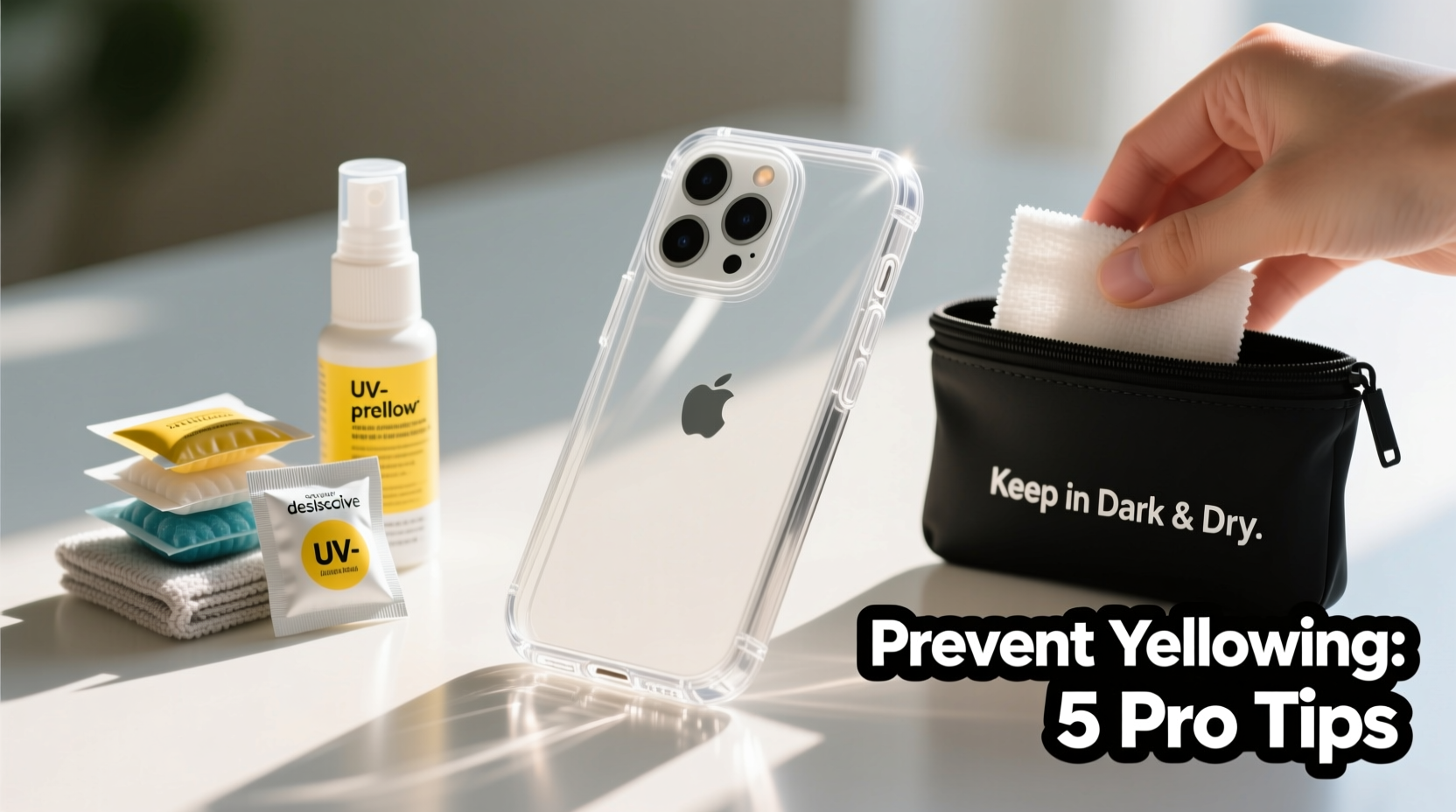
The primary culprit behind yellowing is material degradation. Most clear cases are made from thermoplastic polyurethane (TPU) or polycarbonate (PC). While both offer durability and flexibility, TPU is more prone to yellowing due to its chemical structure. Over time, exposure to ultraviolet (UV) light, oxygen, heat, and certain chemicals triggers oxidation and photochemical reactions in the plastic, breaking down stabilizers and causing discoloration.
Environmental factors play a major role. Sunlight, whether direct or indirect, accelerates UV damage. Heat from charging, prolonged use, or leaving your phone in a hot car worsens the effect. Additionally, oils from your skin, hand sanitizers, and cleaning agents containing alcohol can degrade the plastic’s surface, making it more susceptible to staining and yellowing.
Choosing the Right Case Material
Not all clear cases are created equal. Your choice of material can dramatically influence how long clarity lasts. Here’s a breakdown of common options:
| Material | Clarity Longevity | Yellowing Resistance | Best For |
|---|---|---|---|
| TPU (Soft Silicone-like) | 3–6 months | Low | Budget buyers; needs frequent replacement |
| Polycarbonate (Hard Plastic) | 12+ months | High | Long-term users; minimal yellowing |
| Hybrid (PC + Anti-Yellow Coating) | 18+ months | Very High | Premium protection and aesthetics |
| Silicone (Non-TPU) | Varies | Moderate | Style-focused users; less durable |
For maximum longevity, opt for cases labeled “anti-yellowing” or “UV-resistant.” These often use polycarbonate with added stabilizers like hindered amine light stabilizers (HALS) or UV absorbers that slow down degradation. Some premium brands also apply a nano-coating that resists oil absorption and surface scratches—two factors that contribute to early aging.
“Cases marketed as ‘crystal clear’ often lack proper UV inhibitors. Look for certifications or lab-tested claims about anti-yellowing performance.” — Dr. Lena Park, Materials Scientist at MobileTech Labs
Step-by-Step Guide to Prevent Yellowing
Prevention starts the moment you unbox your case. Follow this timeline to maintain clarity over the long term:
- Day 1 – Initial Inspection and Cleaning: Wipe the case with a microfiber cloth dampened with water. Avoid soaps or disinfectants unless specified by the manufacturer.
- Weekly – Surface Maintenance: Remove the case and gently clean it with a soft cloth and mild soapy water. Rinse thoroughly and air-dry away from direct sunlight.
- Monthly – Deep Check: Inspect for micro-scratches or buildup in corners. Use a cotton swab dipped in distilled water to clean hard-to-reach areas.
- Every 3 Months – Environmental Audit: Evaluate where you typically place your phone. Is it near windows? In hot cars? Adjust storage habits accordingly.
- As Needed – Rotation Strategy: If you use your phone heavily, consider rotating between two clear cases to reduce wear and extend each one’s lifespan.
Consistency is key. Even high-quality cases will degrade faster without regular care. Think of your phone case like skincare—it benefits from gentle cleansing and environmental protection.
Real-Life Example: The Office Worker’s Solution
Mark, a graphic designer from Austin, noticed his iPhone case turning yellow within four months despite careful use. He avoided extreme conditions but kept his phone on his desk all day—a spot directly hit by afternoon sunlight through a large window. After researching, he realized ambient UV exposure was the hidden cause.
He switched to a polycarbonate case with UV protection and repositioned his workspace away from direct light. He also started wiping the case weekly with a dry microfiber cloth. After eight months, his case remained nearly as clear as the day he bought it. Mark’s experience highlights how subtle environmental factors can have outsized impacts—and how small changes yield lasting results.
Checklist: Daily Habits to Preserve Clarity
- ✅ Wash hands before handling phone to reduce oil transfer
- ✅ Avoid placing phone on hot surfaces (e.g., car dashboards, radiators)
- ✅ Never store in direct sunlight—even brief exposure adds up
- ✅ Use a screen protector to reduce need for frequent case removal
- ✅ Clean case every 7–10 days with water and soft cloth
- ✅ Replace hand sanitizer residue immediately if it contacts the case
- ✅ Choose wireless charging pads that don’t trap heat under the phone
Frequently Asked Questions
Can I reverse yellowing once it starts?
Once yellowing occurs, it’s usually irreversible because the chemical change in the plastic is permanent. Some DIY methods suggest using hydrogen peroxide and UV light (sunlight), but these can weaken the material further and void warranties. Prevention is far more effective than correction.
Are expensive cases worth it for preventing yellowing?
Yes, if longevity is a priority. Premium cases often use superior materials and include anti-yellowing technology. While they may cost $25–$40 versus $10 for generic versions, they can last two to three times longer, offering better value over time.
Does screen brightness affect case yellowing?
No, screen brightness does not emit enough UV radiation to impact the case. The main sources of degradation are external sunlight, heat, and chemical exposure—not the phone’s display.
Conclusion: Clarity Starts with Care
Keeping a clear phone case looking new requires more than just luck—it demands informed choices and consistent habits. From selecting a UV-resistant polycarbonate model to avoiding daily exposure to heat and chemicals, every decision plays a role in preserving transparency. Unlike temporary fixes or gimmicks, a strategic approach grounded in material science delivers real, lasting results.
Your phone reflects your personal style and attention to detail. By protecting its case, you’re not just maintaining aesthetics—you’re extending the life of your investment. Start today by auditing your current habits, upgrading to a higher-quality case if needed, and committing to simple weekly maintenance.




 浙公网安备
33010002000092号
浙公网安备
33010002000092号 浙B2-20120091-4
Comments
No comments yet. Why don't you start the discussion?