
Nausea and vomiting are common symptoms that accompany many illnesses, from the flu and food poisoning to migraines and gastrointestinal infections. While occasional nausea is usually not a cause for concern, persistent discomfort can disrupt daily life, delay recovery, and lead to dehydration. The good news is that simple, evidence-based strategies can significantly reduce nausea and help prevent vomiting. By understanding triggers and applying targeted techniques, you can regain control and support your body’s healing process.
Understand the Causes of Nausea
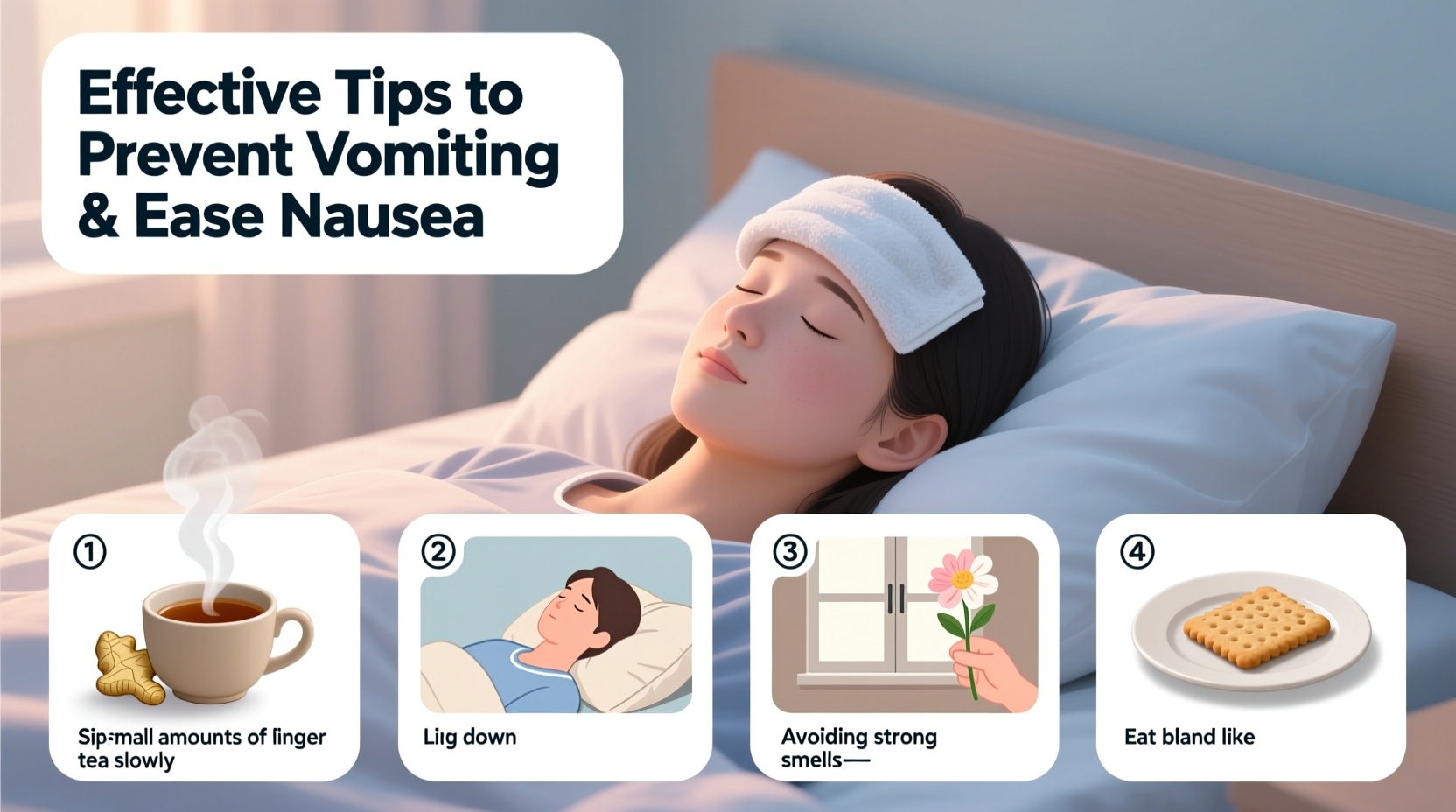
Nausea is not a disease but a symptom—your body’s way of signaling distress. Common causes include viral infections, motion sickness, medication side effects, pregnancy, and digestive disorders like gastritis or gastroenteritis. When your brain receives signals from the stomach, inner ear, or bloodstream indicating something is wrong, it activates the nausea response as a protective mechanism. Vomiting may follow if the body attempts to expel what it perceives as harmful.
Recognizing the underlying cause helps determine the most effective response. For example, nausea due to a stomach virus requires different care than motion-induced queasiness. However, many relief strategies overlap across conditions, focusing on calming the digestive system and stabilizing bodily functions.
“Nausea often stems from an overstimulated gut-brain connection. The key is to gently interrupt that signal with hydration, rest, and mild sensory input.” — Dr. Lena Patel, Gastroenterology Specialist
Immediate Steps to Calm Nausea
When nausea strikes, immediate action can prevent escalation. The goal is to soothe the stomach and avoid further irritation. Begin with these practical steps:
- Sit upright or recline slightly—lying flat increases pressure on the stomach.
- Avoid sudden movements; get up slowly if you need to stand.
- Close your eyes and breathe deeply through your nose to reduce dizziness and anxiety.
- Apply a cool cloth to your forehead or the back of your neck to provide physical comfort.
Hydration: The Foundation of Relief
Dehydration worsens nausea and increases the risk of vomiting. Even if you can’t keep food down, maintaining fluid intake is critical. The trick is to rehydrate gradually and with the right liquids.
Start with small sips—about one tablespoon every 5 minutes—for at least 30 minutes. If tolerated, slowly increase frequency. Ideal fluids include:
- Clear broths (chicken or vegetable)
- Electrolyte solutions (oral rehydration salts or pediatric formulas)
- Weak herbal teas (ginger or peppermint)
- Cool water or ice chips
Avoid sugary drinks, caffeine, alcohol, and acidic juices like orange or tomato, which can irritate the stomach lining.
Dietary Adjustments During Illness
Eating while nauseous feels counterintuitive, but carefully chosen foods can stabilize blood sugar and absorb excess stomach acid. The classic BRAT diet (bananas, rice, applesauce, toast) remains a trusted starting point because these foods are bland, low in fiber, and easy to digest.
| Foods That Help | Foods to Avoid |
|---|---|
| Plain crackers (saltines) | Fried or greasy foods |
| Boiled potatoes | Spicy dishes |
| Oatmeal (without sugar) | Dairy products (if lactose intolerant) |
| Applesauce | Carbonated beverages |
| Ginger tea or candied ginger | Raw vegetables |
Introduce food only after several hours without vomiting. Start with a few saltine crackers or half a banana. Wait 15–20 minutes—if no nausea returns, proceed with another small portion.
The Role of Ginger in Nausea Relief
Ginger has been used for centuries to treat digestive upset. Modern studies confirm its effectiveness: compounds like gingerol and shogaol help relax the gastrointestinal tract and block nausea signals in the brain.
In one clinical trial, patients experiencing nausea from chemotherapy reported a 40% reduction in symptoms after consuming ginger supplements twice daily. You don’t need pills—steeping fresh ginger root in hot water or chewing on a small piece of crystallized ginger can produce similar results.
Environmental and Behavioral Strategies
Your surroundings play a surprising role in triggering or easing nausea. Strong odors, flickering lights, and cluttered spaces can overwhelm your senses and intensify discomfort.
Create a calm recovery environment by:
- Opening a window for fresh air
- Using unscented cleaning products
- Turning off bright overhead lights
- Listening to soft instrumental music or nature sounds
Motion-related nausea, such as from vertigo or car rides, benefits from visual grounding. Focus on a fixed point in the distance rather than reading or looking at screens.
Step-by-Step Guide to Managing Acute Nausea
- Pause all activity. Sit or lie propped up comfortably.
- Stop eating and drinking temporarily. Wait 15–30 minutes before attempting fluids.
- Sip cold water or suck on ice chips. Take one teaspoon every 5 minutes.
- Breathe slowly and deeply. Inhale for four counts, exhale for six.
- Apply a cool compress. Place it on your forehead or wrists.
- After 30 minutes, try a plain cracker or ginger candy.
- If symptoms improve, gradually reintroduce fluids and then bland foods.
When to Seek Medical Attention
Most cases of nausea resolve within 24–48 hours. However, certain red flags require prompt medical evaluation:
- Vomiting lasting more than 24 hours (or 12 hours in young children)
- Inability to keep down any fluids for over 12 hours
- Signs of dehydration: dry mouth, dark urine, dizziness, rapid heartbeat
- Severe abdominal pain or chest pressure
- Vomit containing blood or resembling coffee grounds
Pregnant individuals should consult a healthcare provider if nausea becomes constant or leads to weight loss, as this could indicate hyperemesis gravidarum—a serious condition requiring treatment.
Mini Case Study: Recovering from a Stomach Virus
Sarah, a 34-year-old teacher, woke up with sudden nausea and chills. She skipped breakfast and lay on the couch, avoiding movement. After vomiting once, she waited 20 minutes before trying ice chips. Over the next two hours, she sipped electrolyte solution slowly. By mid-afternoon, she ate a plain rice cake and rested in a quiet room with dim lighting. By evening, her nausea had subsided. Sarah credits her recovery to pacing fluid intake and resisting the urge to eat too soon.
Prevention Checklist for Future Episodes
Stay prepared for illness with this actionable checklist:
- ✅ Keep oral rehydration packets or pediatric electrolyte drinks in your medicine cabinet
- ✅ Stock plain crackers, ginger tea, and bananas in your pantry
- ✅ Identify and avoid personal nausea triggers (e.g., strong smells, certain medications)
- ✅ Practice slow, mindful eating during meals to prevent indigestion
- ✅ Stay hydrated throughout the day, especially when feeling unwell
Frequently Asked Questions
Can I take anti-nausea medication at home?
Over-the-counter options like dimenhydrinate (Dramamine) or meclizine can help, especially for motion sickness or vertigo. For general illness-related nausea, consult a pharmacist or doctor before use, particularly if you have other health conditions or take prescription medications.
Is it better to vomit or hold it in?
If your body is trying to expel a toxin (like spoiled food), vomiting may offer relief. However, repeated vomiting can lead to dehydration and esophageal damage. Focus on calming the stomach early to reduce the need to vomit. Once the initial wave passes, prioritize hydration and rest.
Why does brushing my teeth sometimes trigger nausea?
The gag reflex is easily activated when you’re already nauseous. Try using a small-headed toothbrush and avoid touching the back of your tongue. Use mild-flavored toothpaste or rinse with warm salt water instead.
Take Control of Your Comfort
Nausea doesn’t have to derail your recovery. With thoughtful hydration, strategic food choices, and environmental awareness, you can significantly reduce discomfort and prevent vomiting. These methods are accessible, affordable, and grounded in both tradition and science. Keep this guide handy for your next bout of illness—being prepared makes all the difference.




 浙公网安备
33010002000092号
浙公网安备
33010002000092号 浙B2-20120091-4
Comments
No comments yet. Why don't you start the discussion?