
Chopping boards are essential tools in every kitchen, yet they often suffer from neglect when it comes to maintenance. Over time, exposure to moisture, heat, and improper handling can cause wood and composite boards to warp, crack, or split. A warped board not only compromises cutting efficiency but also becomes a breeding ground for bacteria due to uneven surfaces. Preventing warping isn’t complicated—it requires consistent care, smart storage, and an understanding of your board’s material. By following science-backed methods and expert-recommended practices, you can keep your chopping board flat, functional, and safe for years.
Understand Why Chopping Boards Warp
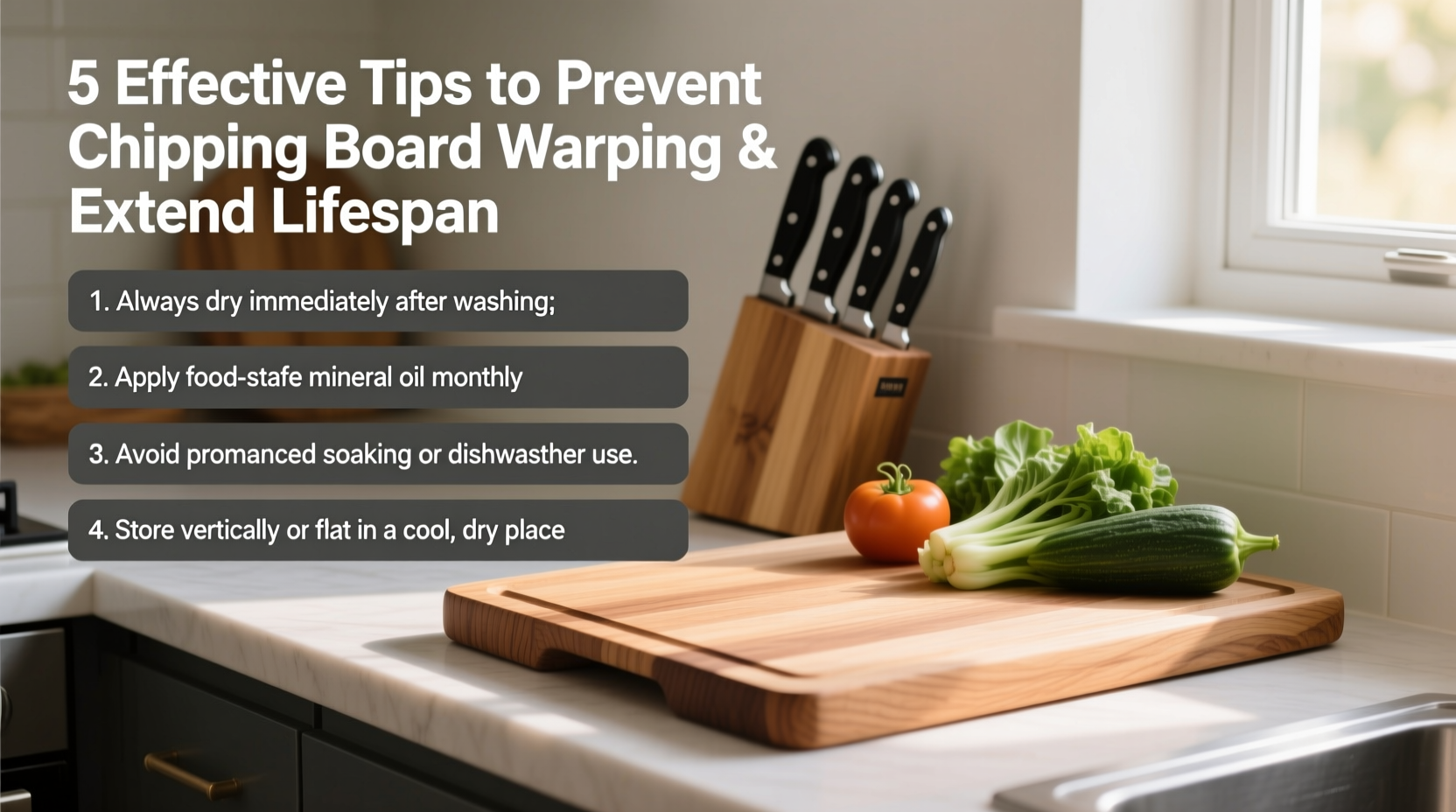
Warping occurs when one side of the board dries faster than the other, creating internal tension that pulls the surface out of shape. This imbalance is most commonly caused by:
- Uneven drying: Leaving a wet board on its side or placing it near a heat source causes one face to dry quicker.
- Exposure to water: Submerging wooden boards in water or running them through dishwashers leads to swelling and distortion.
- Poor storage: Storing boards upright without support or stacking heavy items on top encourages bending.
- Material instability: Low-quality wood or poorly constructed laminated boards are more prone to movement.
Wood is hygroscopic—it absorbs and releases moisture depending on its environment. When this process happens unevenly, stress builds up across the grain, resulting in warping. Even plastic and bamboo boards can deform under extreme conditions, though wood remains the most sensitive.
Choose the Right Material for Longevity
The type of chopping board you use plays a major role in how well it resists warping. Each material has strengths and weaknesses:
| Material | Warp Resistance | Maintenance Needs | Lifespan (With Care) |
|---|---|---|---|
| Hardwood (Maple, Walnut) | High (if properly maintained) | Oiling monthly, hand wash only | 5–10+ years |
| Bamboo | Moderate | Regular oiling, avoid soaking | 3–7 years |
| Plastic (HDPE) | Low to Moderate | Dishwasher safe, replace when grooved | 1–3 years |
| Composite/Phenolic Resin | Very High | Minimal; highly durable | 10+ years |
End-grain hardwood boards are among the most resilient because their vertical grain structure absorbs knife impacts better and swells less uniformly. However, they require more attention than plastic alternatives. For home cooks seeking durability with minimal upkeep, phenolic resin boards—often used in commercial kitchens—are ideal, though more expensive upfront.
“End-grain construction allows wood fibers to reseal after cuts, reducing moisture penetration and warping risk.” — Dr. Alan Pierce, Wood Scientist, University of British Columbia
Step-by-Step Guide to Daily and Monthly Maintenance
Preventing warping starts with consistent care. Follow this routine to maintain structural integrity and surface stability:
- Clean Immediately After Use: Rinse with warm water and mild soap. Never soak or leave standing in water.
- Dry Flat and Fully: Lay horizontally on a drying rack or towel, away from direct sunlight or stoves.
- Sanitize Weekly: Sprinkle coarse salt or baking soda, rub with a cut lemon, then rinse. The acid helps disinfect and deodorize.
- Oil Every 4–6 Weeks: Use food-grade mineral oil or beeswax blend. Apply generously, let soak overnight, wipe excess.
- Sand Minor Warps: If slight cupping appears, lightly sand the concave side with 120-grit paper, then re-oil.
- Rotate Usage: Use multiple boards (e.g., one for meat, one for veggies) to allow rest and drying time.
Avoid vinegar or bleach-based cleaners regularly—they can dry out wood and degrade glue in laminated boards over time. For plastic boards, inspect for deep knife grooves; these harbor bacteria and make cleaning difficult, signaling it's time for replacement.
Proper Storage Techniques to Prevent Distortion
How you store your chopping board is just as important as how you clean it. Poor storage accelerates warping by applying pressure or exposing the board to fluctuating humidity.
If space is limited, hanging is acceptable—but only if done correctly. Use padded hooks or slots that support the entire board without bending edges. Never lean a board against a wall or cabinet; gravity will gradually pull it out of shape.
In high-humidity climates, consider storing boards with silica gel packs nearby to reduce ambient moisture absorption. In dry environments, occasional humidifier use prevents excessive shrinkage and cracking.
Real Example: How One Chef Avoided Replacing Boards Annually
At a farm-to-table bistro in Vermont, head chef Maria Tran noticed her three maple boards were warping within months despite regular oiling. After consulting a woodworking artisan, she realized the issue: staff were propping wet boards vertically behind the sink, where steam from dishwashing caused one side to remain damp while the other dried.
She introduced a simple change: a flat drying tray with breathable mesh and mandatory horizontal drying. She also switched to bi-weekly mineral oil treatments during winter months when indoor heating dried the air. Within six months, board longevity improved dramatically. Two of the original boards are still in use after four years—flat, crack-free, and fully functional.
Essential Do’s and Don’ts Checklist
To make best practices easy to remember, here’s a concise checklist:
| Do’s | Don’ts |
|---|---|
| Hand wash with mild soap and warm water | Never put in the dishwasher |
| Dry flat immediately after washing | Don’t leave soaking in the sink |
| Oil monthly with food-safe mineral oil | Don’t use vegetable oils (they turn rancid) |
| Store flat or hang evenly supported | Don’t stack heavy items on top |
| Rotate between multiple boards | Don’t cut frozen foods directly on wood |
Frequently Asked Questions
Can a warped chopping board be fixed?
Minor warping can often be corrected. Place the board with the concave side down on a damp cloth, cover with a warm, wet towel, and let sit for 12–24 hours. The moisture may help it relax back into shape. Once flat, dry slowly and re-oil. Severe warping usually means replacement is safer.
How often should I oil my wooden chopping board?
Every 4–6 weeks under normal use. In dry climates or during winter, increase to every 2–3 weeks. If the board looks dull or feels rough, it’s time to oil. Over-oiling isn’t harmful but is unnecessary—wipe off excess after 12 hours.
Is bamboo really better than wood?
Bamboo is harder and more eco-friendly, but it’s technically a grass and often glued into layers. These adhesives can weaken with repeated water exposure, making some bamboo boards more prone to delamination and warping than solid hardwoods like maple or walnut.
Conclusion: Small Habits, Lasting Results
A chopping board doesn’t need to be replaced every few months. With mindful cleaning, proper drying, and regular conditioning, even natural wood boards can remain flat and functional for many years. The key is consistency—not perfection. Taking a few extra minutes after cooking to dry your board flat or scheduling a monthly oiling session pays off in both safety and savings. Your chopping board supports nearly every meal you prepare; return the favor by giving it the care it deserves.




 浙公网安备
33010002000092号
浙公网安备
33010002000092号 浙B2-20120091-4
Comments
No comments yet. Why don't you start the discussion?