
Cat owners know the importance of fresh water and clean food, but one often-overlooked detail is the condition of the feeding bowl. Over time, a sticky, cloudy film—commonly known as \"cat bowl scum\"—can build up, even after daily washing. This residue isn't just unappealing; it can harbor harmful bacteria like *Pseudomonas* and *E. coli*, posing health risks to your feline companion. The good news: with the right techniques and consistent care, you can eliminate this persistent grime and maintain hygienic, sparkling bowls. This guide provides actionable strategies backed by veterinary insight and real-world experience.
Understanding Cat Bowl Scum: What It Is and Why It Forms
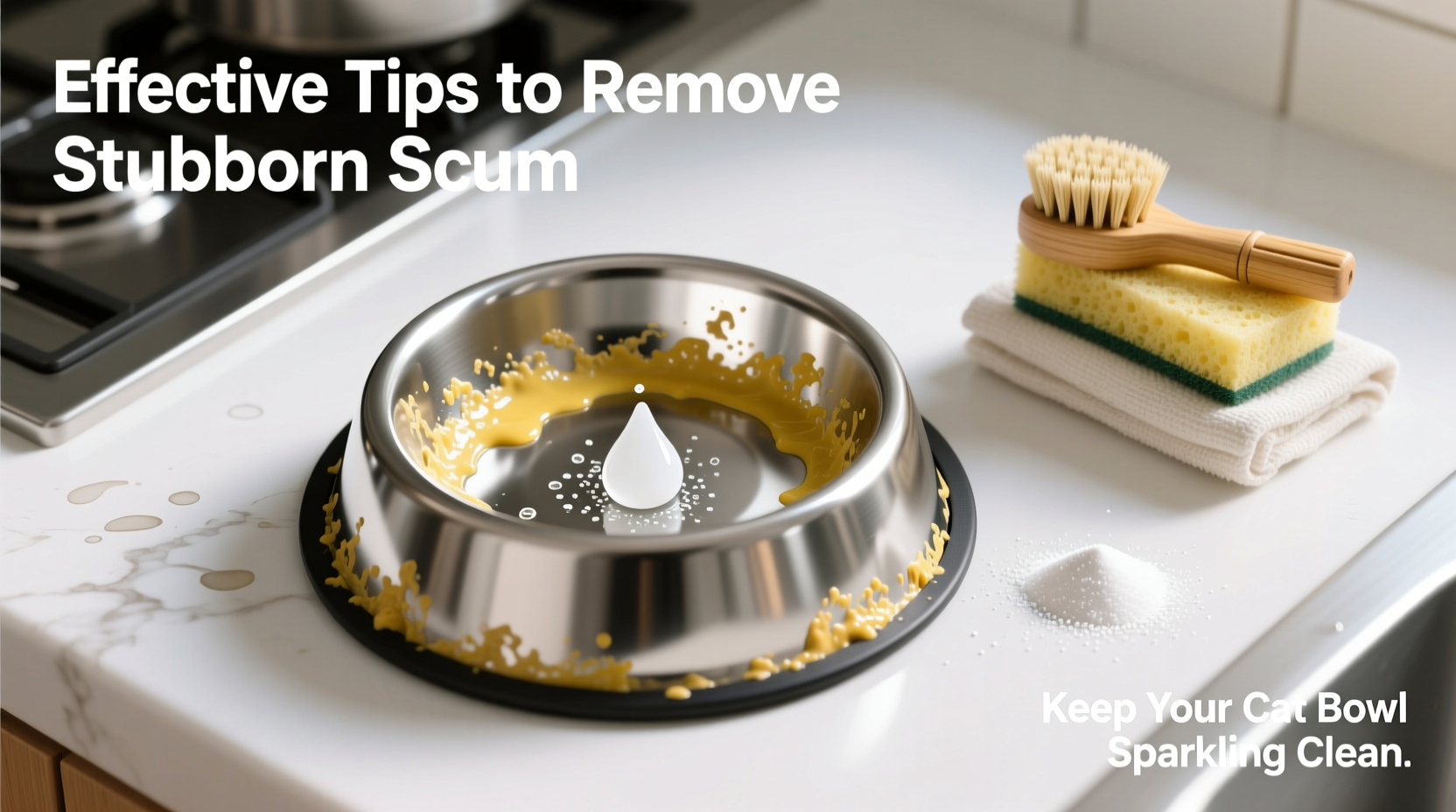
The slimy or chalky buildup in cat bowls—especially around the rim or base—is typically a combination of saliva, leftover fats from wet food, minerals from tap water (like calcium and magnesium), and bacterial colonies. Plastic bowls are particularly prone to developing microscopic scratches that trap residue and promote biofilm formation. Even stainless steel and ceramic bowls aren’t immune, especially if not cleaned properly after each use.
This scum doesn’t just look bad—it creates an environment where bacteria thrive. Cats may avoid eating or drinking from dirty bowls, leading to reduced hydration or appetite. In some cases, prolonged exposure to contaminated surfaces can contribute to feline acne, especially on the chin, due to irritation and bacterial transfer.
Step-by-Step Guide to Deep Cleaning Stubborn Scum
Daily rinsing isn’t enough for deep hygiene. A weekly deep clean is essential to break down built-up residue and sanitize the bowl thoroughly. Follow this step-by-step process:
- Disassemble if necessary: If your bowl has a removable silicone base or non-slip ring, take it apart to clean all components individually.
- Rinse immediately: After removing leftover food, rinse the bowl with warm water to prevent drying and hardening of residue.
- Soak in hot vinegar solution: Mix equal parts white vinegar and hot water (not boiling) and submerge the bowl for 30–60 minutes. Vinegar dissolves mineral deposits and loosens organic matter.
- Scrub with a non-abrasive brush: Use a soft bottle brush or dish brush to reach crevices. For ceramic bowls, a baking soda paste (two parts baking soda to one part water) gently lifts stains without scratching.
- Sanitize with diluted bleach: Soak the bowl in a solution of 1 tablespoon unscented bleach per gallon of water for 10 minutes. Rinse thoroughly with clean water afterward.
- Air dry upside down: Place the bowl on a drying rack to ensure complete airflow and prevent moisture trapping.
This method effectively removes both visible scum and invisible microbial colonies. For heavily stained or pitted plastic bowls, replacement is often the safest option.
Do’s and Don’ts of Cat Bowl Maintenance
| Do’s | Don’ts |
|---|---|
| Wash bowls daily with warm, soapy water | Use harsh abrasives like steel wool |
| Choose stainless steel or high-fired ceramic bowls | Leave water sitting for more than 24 hours |
| Replace bowls every 6–12 months, depending on wear | Use scented dish soaps or detergents with dyes |
| Store dry bowls in a clean, dust-free area | Stack wet bowls, which promotes mold growth |
| Perform a deep clean weekly | Put plastic bowls in the dishwasher frequently (heat accelerates degradation) |
Real Example: How One Owner Solved Chronic Chin Acne
Sarah, a cat owner from Portland, noticed her 3-year-old tabby, Milo, was developing recurring chin acne despite a healthy diet and grooming routine. After consulting her veterinarian, she learned that the issue might stem from his feeding bowl. Sarah had been using a decorative plastic bowl she loved for its aesthetic, washing it daily with dish soap. However, close inspection revealed fine scratches and a faint film no amount of scrubbing seemed to remove.
She switched to a stainless steel bowl and began a weekly deep-cleaning regimen using vinegar and occasional bleach sanitization. Within three weeks, Milo’s skin condition improved significantly. “I never realized how much bacteria could hide in a scratched bowl,” Sarah said. “Now I check the texture of the bowl monthly and replace it at the first sign of wear.”
“Biofilm formation in pet bowls is a serious but underrecognized issue. Even seemingly clean bowls can host pathogenic bacteria if not properly maintained.” — Dr. Lena Torres, DVM, Veterinary Preventive Care Specialist
Preventative Habits for Long-Term Cleanliness
Prevention is more effective—and less labor-intensive—than constant deep cleaning. Incorporate these habits into your routine:
- Wash immediately after use: Don’t let food or water sit. Rinse and wash within an hour of feeding, especially with wet food.
- Rotate multiple bowls: Having two or three bowls allows one to air dry completely while others are in use, reducing bacterial regrowth.
- Use filtered water: Reduces mineral buildup and improves taste, encouraging cats to drink more.
- Avoid double-duty bowls: Don’t use the same bowl for both food and water unless thoroughly washed in between.
- Inspect weekly: Run your finger along the interior surface. If it feels slick or gritty, it’s time for a deep clean—even if it looks clean.
Frequently Asked Questions
Can I put my cat’s bowl in the dishwasher?
Stainless steel and high-quality ceramic bowls are generally dishwasher-safe and benefit from the high heat, which helps sanitize. However, plastic bowls should be hand-washed, as repeated dishwasher cycles cause microfractures that trap bacteria. Always place bowls on the top rack to minimize impact damage.
Is vinegar safe for cleaning cat bowls?
Yes, white vinegar is safe and effective when thoroughly rinsed. It’s a natural disinfectant and descaler. Never use apple cider vinegar or flavored varieties, and always follow up with multiple rinses to remove any residual odor cats may dislike.
How often should I replace my cat’s bowl?
Replace plastic bowls every 6 months or sooner if scratched. Stainless steel and ceramic can last years with proper care, but inspect them annually for chips, cracks, or glaze damage that could harbor bacteria.
Final Checklist: Keeping Cat Bowls Spotless
- Use stainless steel or glazed ceramic bowls
- Wash bowls daily with mild, fragrance-free soap
- Deep clean weekly with vinegar soak and optional bleach sanitization
- Inspect for scratches or wear monthly
- Rinse thoroughly and air dry completely before reuse
- Replace bowls proactively based on material and condition
- Provide fresh water daily and discard old water
Conclusion: Small Steps, Big Impact on Feline Health
Maintaining spotless cat bowls is a simple yet powerful way to support your cat’s long-term health. The effort required is minimal compared to the benefits: reduced risk of infection, better hydration, and prevention of skin issues like chin acne. By upgrading materials, adopting a consistent cleaning schedule, and staying vigilant about wear and tear, you create a safer feeding environment. Your cat may not thank you in words, but their shiny coat, clear skin, and hearty appetite will speak volumes.




 浙公网安备
33010002000092号
浙公网安备
33010002000092号 浙B2-20120091-4
Comments
No comments yet. Why don't you start the discussion?