
As temperatures rise during the warmer months, many people assume blankets are best left in storage until fall. However, a well-chosen summer blanket can offer comfort, security, and just enough coverage without turning your bed into a sauna. The key lies not in avoiding blankets altogether, but in selecting the right type and using smart strategies to regulate body heat. Whether you're sensitive to drafts, share a bed with a partner who kicks off the covers, or simply enjoy the psychological comfort of being tucked in, staying cool under a summer blanket is entirely possible—with the right approach.
Choose the Right Fabric for Breathability
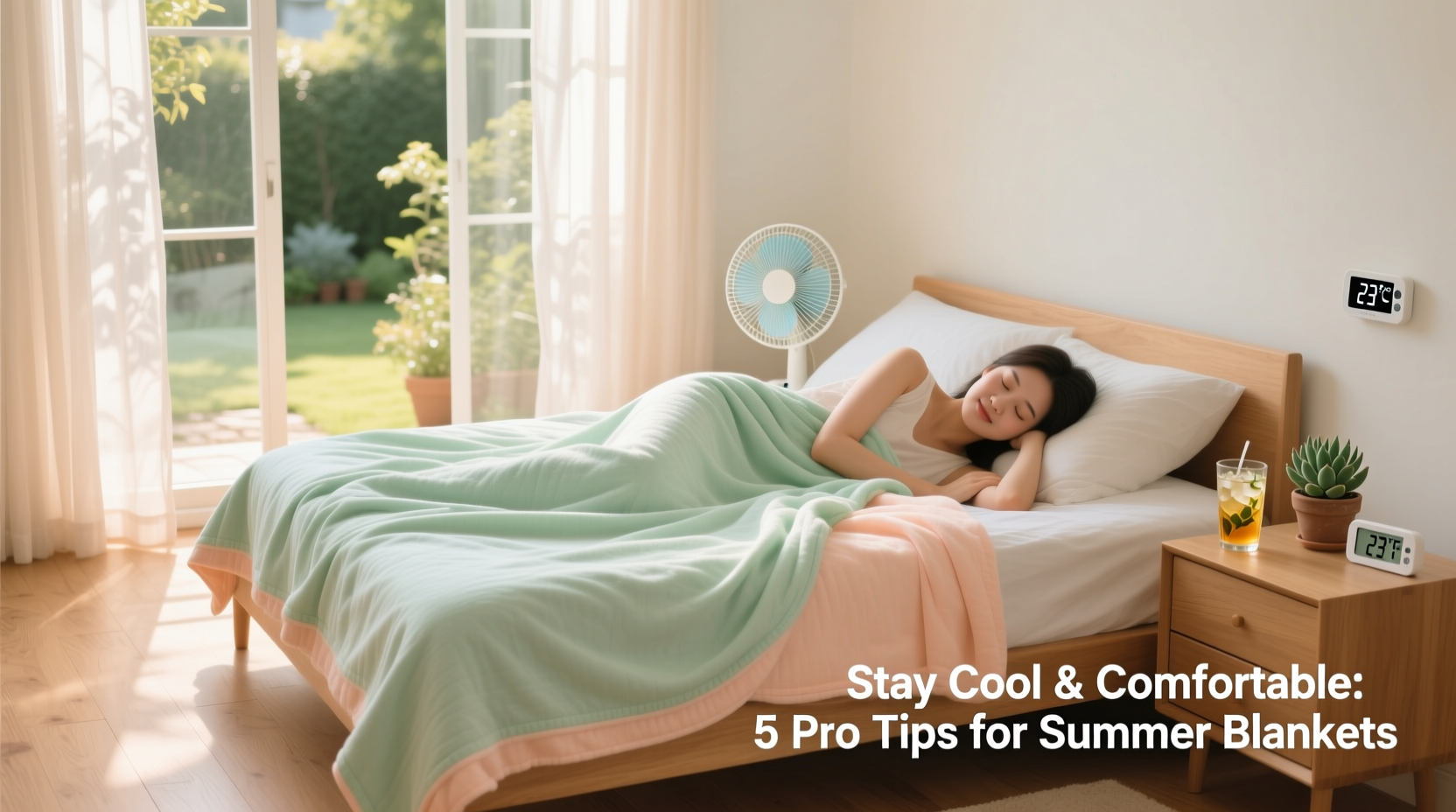
The foundation of a comfortable summer sleep experience starts with fabric selection. Not all textiles are created equal when it comes to heat regulation. Lightweight, natural fibers tend to outperform synthetic materials by wicking moisture and allowing air to circulate freely around the skin.
Cotton, particularly Egyptian or Pima cotton, offers softness and excellent breathability. Percale weave cotton is especially ideal—its tight, crisp weave promotes airflow while remaining lightweight. Linen is another top contender. Known for its moisture-wicking properties and natural temperature regulation, linen becomes softer with each wash and excels in hot, humid environments.
Bamboo-derived rayon or lyocell (such as TENCEL™) is increasingly popular in bedding due to its silky texture and eco-friendly production. These fabrics are naturally antimicrobial, hypoallergenic, and highly effective at managing moisture—critical for preventing night sweats.
Optimize Weight and Thickness
A summer blanket should feel more like a whisper than a weight. Look for options labeled as “lightweight,” “ultra-thin,” or “cooling.” Fill weights matter: down alternative or microfiber-filled throws typically range between 0.5 to 1.5 pounds, making them suitable for seasonal use without excessive insulation.
Quilts and coverlets often serve better than traditional duvets in summer. They provide coverage without the bulk, and many are designed specifically for warm weather with minimal filling or none at all. A simple cotton quilt with a light batting layer can be perfect—offering tactile comfort while minimizing thermal retention.
| Fabric Type | Breathability | Motion Wicking | Ideal For |
|---|---|---|---|
| Linen | Excellent | High | Humid climates, hot sleepers |
| Cotton (Percale) | Very Good | Moderate | Dry heat, combination sleepers |
| TENCEL™ | Excellent | High | Allergy sufferers, sensitive skin |
| Polyester | Poor | Low | Cold climates only |
Layer Strategically for Adjustable Comfort
One of the most effective ways to maintain control over your sleeping temperature is through layering. Instead of relying on a single heavy blanket, build a system that allows incremental adjustments based on nightly conditions.
Start with a lightweight flat sheet made from breathable fabric. Over this, add a thin summer blanket or throw. If you tend to get chilly early in the evening but warm up later, this setup lets you kick off the top layer without fully exposing yourself. Couples with differing temperature preferences can benefit from individual layers—one person may keep their blanket while the other removes theirs.
“Layering gives sleepers dynamic control over their microclimate. It’s one of the simplest yet most powerful tools for thermal comfort.” — Dr. Lena Patel, Sleep Environment Researcher, National Sleep Foundation
Step-by-Step Guide to Summer Bedding Layering
- Base Layer: Use a moisture-wicking fitted sheet (preferably cotton, linen, or TENCEL™).
- Middle Layer: Add a flat sheet for additional coverage and breathability.
- Top Layer: Drape a lightweight summer blanket or coverlet—choose one under 2 lbs for optimal airflow.
- Nighttime Adjustment: Remove or fold back layers as needed once body temperature rises during sleep.
- Optional Cooling Boost: Place the top layer in the freezer for 10–15 minutes before bedtime for an instant cool-down effect.
Enhance Your Sleep Environment
No blanket strategy works in isolation. Your bedroom environment plays a crucial role in how your body manages heat. Even the most breathable blanket will struggle if the room is poorly ventilated or excessively warm.
Keep your bedroom below 70°F (21°C), which is widely considered the ideal sleep temperature. Use ceiling fans or portable fans to create air movement, which enhances evaporative cooling—even without lowering the thermostat. Cross-ventilation, achieved by opening windows on opposite sides of the room, can significantly improve airflow, especially during cooler evening hours.
Consider using a cooling mattress pad or gel-infused pillow to complement your summer blanket. These accessories help draw heat away from pressure points like the head and torso, where thermal buildup is most disruptive.
Real-Life Example: Managing Night Sweats in Houston
Sarah, a 38-year-old teacher living in Houston, struggled with night sweats during the long, humid summers. She initially stopped using any blanket, but found herself waking up with shoulder stiffness from exposure to the AC. After researching breathable textiles, she switched to a linen blend coverlet weighing just 1.2 pounds. She paired it with percale cotton sheets and began using a small fan directed at her feet.
Within a week, her sleep quality improved dramatically. She no longer woke up drenched, yet still felt cozy enough to fall asleep quickly. “It’s like having the comfort of a blanket without cooking in it,” she said. “I finally found the balance.”
Checklist: How to Stay Cool Under a Summer Blanket
- ✅ Choose natural, breathable fabrics (linen, cotton, TENCEL™)
- ✅ Select a lightweight blanket (under 2 lbs)
- ✅ Use layered bedding for adjustable warmth
- ✅ Keep bedroom temperature below 70°F
- ✅ Run a fan to enhance air circulation
- ✅ Wash bedding regularly in cool water
- ✅ Avoid synthetic materials and heavy fills
- ✅ Pre-cool your blanket by placing it in the freezer briefly
Frequently Asked Questions
Can I use a weighted blanket in summer?
Traditional weighted blankets are generally too hot for summer use due to their dense fill and limited airflow. However, some brands now offer \"cooling\" weighted versions made with breathable fabrics and moisture-wicking technology. If you’re determined to use one, choose a model under 10% of your body weight and made with bamboo or cotton coverings.
Are electric blankets safe for summer?
Electric blankets are designed for warmth and are rarely necessary—or advisable—in summer. Using one increases the risk of overheating and disrupts natural thermoregulation during sleep. If you need gentle warmth, consider a heated mattress pad with precise temperature controls instead, and use it only during the initial sleep onset phase.
How do I know if my blanket is too hot?
If you wake up sweating, feeling sticky, or frequently kick off your covers within an hour of falling asleep, your blanket is likely too insulating. Other signs include restless sleep, increased heart rate at night, or waking with flushed skin. Switch to a lighter material and monitor changes in comfort.
Final Thoughts: Comfort Doesn’t Have to Mean Compromise
Staying comfortable with a summer blanket isn’t about enduring heat for the sake of tradition—it’s about making informed choices that align with your body’s needs. By selecting breathable fabrics, embracing layering, and optimizing your sleep environment, you can enjoy the emotional and physical benefits of being covered without sacrificing coolness.
Don’t let outdated assumptions push you toward bare mattresses and cold shoulders. With the right blanket and a few smart habits, you can have both comfort and coolness all summer long.




 浙公网安备
33010002000092号
浙公网安备
33010002000092号 浙B2-20120091-4
Comments
No comments yet. Why don't you start the discussion?