
Clear fold phone cases are prized for their sleek, minimalist design that showcases the original look of your device. However, over time, many users notice an unsightly yellow tint creeping in—especially around the edges and creases. This discoloration doesn’t just affect aesthetics; it can make a brand-new phone appear old and neglected. The good news: yellowing isn’t inevitable. With the right preventive habits and maintenance routine, you can keep your case looking pristine for months, even years.
Yellowing occurs due to a combination of material degradation, environmental exposure, and daily wear. Understanding the science behind it—and how to counteract it—is key to preserving clarity. Below are practical, expert-backed strategies to prevent and reverse early signs of yellowing in your clear fold phone case.
Why Clear Phone Cases Turn Yellow
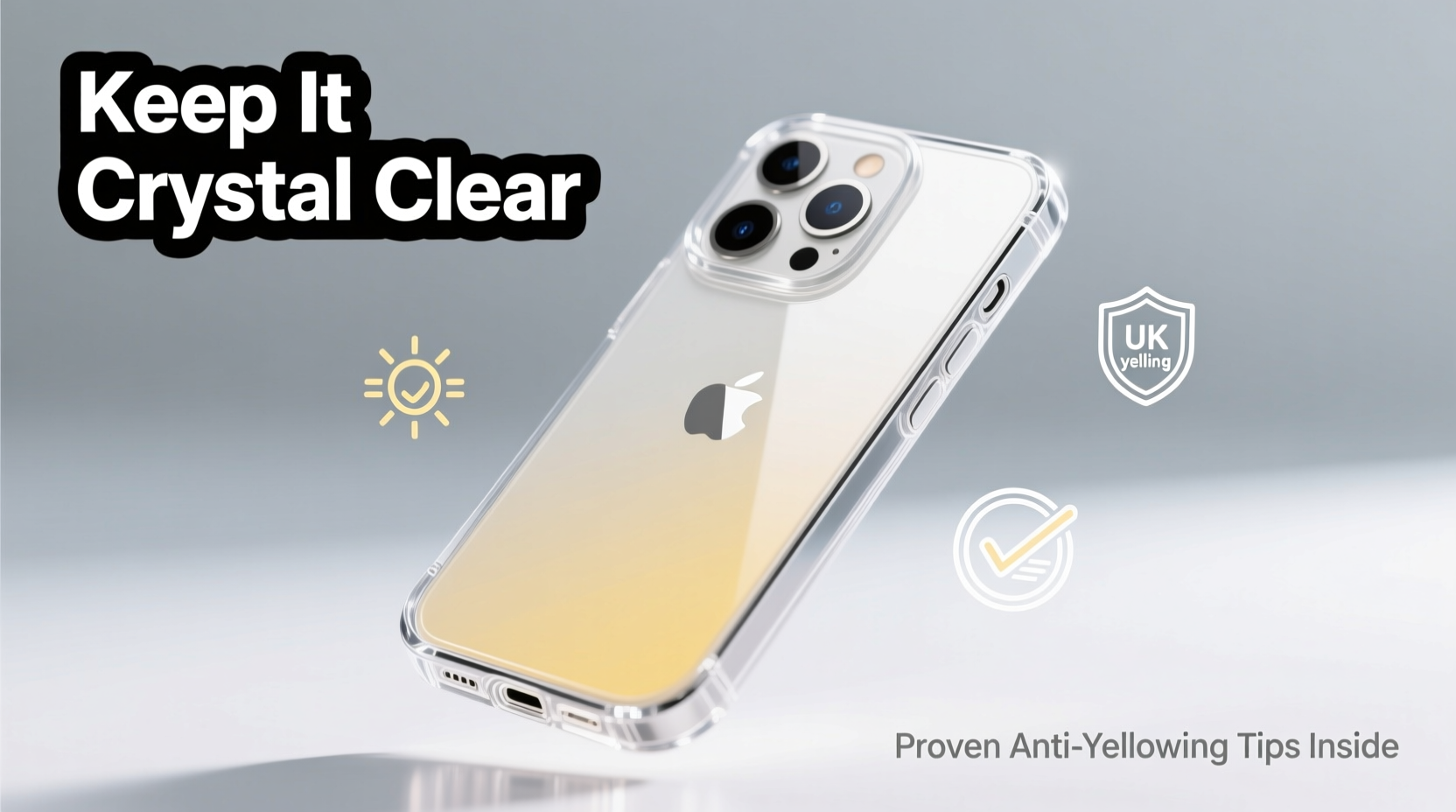
The primary culprit behind yellowing is oxidation, a chemical reaction triggered when the polymers in transparent plastics (like TPU or polycarbonate) react with oxygen, UV light, and heat. Most clear fold cases use thermoplastic polyurethane (TPU), which offers flexibility and shock absorption but is inherently more prone to yellowing than rigid materials.
Additional contributing factors include:
- UV exposure: Sunlight accelerates oxidation, especially prolonged exposure on car dashboards or near windows.
- Heat buildup: Fold phones generate more heat during operation, particularly at the hinge area where the case bends—this localized warmth speeds up material breakdown.
- Oils and residues: Skin oils, lotions, and hand sanitizers contain chemicals that degrade plastic over time.
- Poor ventilation: Trapped moisture and air pollutants inside pockets or bags can contribute to discoloration.
“TPU-based cases will naturally degrade when exposed to UV and heat. The rate depends entirely on user habits and environment.” — Dr. Lena Park, Materials Scientist, Consumer Electronics Lab
Step-by-Step Guide to Prevent Yellowing
Maintaining a crystal-clear case requires consistency. Follow this weekly and monthly routine to slow down oxidation and preserve transparency.
- Weekly Cleaning: Use a microfiber cloth dampened with a 70% isopropyl alcohol solution to gently wipe both the interior and exterior surfaces. Focus on the hinge area where oils accumulate.
- Rinse Residue-Free: After cleaning, lightly wipe with a dry section of the cloth to remove any leftover moisture or cleaner.
- Air Dry Flat: Lay the case open on a clean surface away from sunlight. Never store it while damp.
- Monthly Deep Clean: Soak the case in a mix of lukewarm water and a drop of mild dish soap for 5–10 minutes. Gently scrub with a soft toothbrush, then rinse and dry thoroughly.
- Inspect for Buildup: Check for trapped dust or grime in the folding mechanism. Use a cotton swab if needed.
Storage Best Practices
Where and how you store your phone when not in use plays a major role in case longevity. Heat and humidity are silent enemies of clarity.
Do’s and Don’ts for Case Longevity
| Do’s | Don’ts |
|---|---|
| Wipe the case weekly with alcohol-free wipes or diluted isopropyl alcohol | Use harsh cleaners like bleach, acetone, or ammonia-based sprays |
| Keep the phone away from direct sunlight and hot environments (e.g., car interiors) | Leave the phone on a sunny windowsill or dashboard |
| Remove the case occasionally to let it air out and inspect fit | Leave the case on indefinitely without cleaning or inspection |
| Choose cases labeled “anti-yellowing” or “UV-resistant” | Buy ultra-cheap generic cases with no material specifications |
| Rotate between two clear cases to reduce wear on a single one | Use only one case continuously for over six months |
Choosing the Right Case Material
Not all clear cases are created equal. The material directly impacts resistance to yellowing. Here’s a comparison of common options used in fold phone cases:
- TPU (Thermoplastic Polyurethane): Flexible and impact-resistant, but highly susceptible to yellowing over time unless treated with UV inhibitors.
- Polycarbonate (PC): More rigid and naturally clearer, with better UV resistance. Often used in hybrid cases but less flexible for folding mechanisms.
- Hybrid PC+TPU: Combines rigidity and flexibility. Higher-end versions include anti-yellowing coatings and are worth the investment.
- Silicone: Rare in fold designs due to bulk, but some premium models use medical-grade silicone, which resists yellowing well.
Look for cases that explicitly state “anti-yellowing,” “UV protected,” or “yellow-resistance technology.” Brands like Spigen, OtterBox, and UAG often incorporate proprietary polymer blends designed to delay discoloration.
“The best defense against yellowing starts before purchase. Invest in a high-quality case with verified UV stabilizers—it pays off in clarity retention.” — Marcus Tran, Mobile Accessory Reviewer, TechGuardian Weekly
Real-World Example: How One User Extended Case Life by 8 Months
Jessica, a marketing professional in Seattle, noticed her Samsung Galaxy Z Fold 5’s clear case began yellowing within three months. Frustrated, she researched solutions and implemented a new routine. She started wiping the case every Friday with a 70% alcohol wipe, removed it overnight once a month to clean both phone and case, and stopped placing her phone on the passenger seat during commutes (reducing sun exposure).
She also purchased a second, higher-quality case made with UV-resistant TPU and began rotating between the two every six weeks. After seven months, her original case showed minimal further yellowing, and the newer one remained completely clear. Her proactive approach extended the usable life of both cases far beyond the typical four-to-five-month decline most users experience.
Checklist: Keep Your Fold Case Crystal Clear
Print or bookmark this checklist to stay consistent:
- ✅ Clean case weekly with alcohol-safe cloth
- ✅ Avoid direct sunlight and hot environments
- ✅ Remove case monthly for deep cleaning and inspection
- ✅ Store phone in shaded, ventilated area
- ✅ Choose UV-resistant or anti-yellowing certified cases
- ✅ Rotate between two cases if possible
- ✅ Replace case at first sign of permanent discoloration
Frequently Asked Questions
Can I reverse yellowing once it starts?
In early stages, gentle cleaning may improve appearance, but fully reversed yellowing is rare. Some users try DIY methods like hydrogen peroxide and sunlight (the “retrobright” method), but these carry risks of warping or weakening the case, especially around delicate fold hinges. Prevention is far more effective than correction.
How long should a clear fold case last before yellowing?
With average use and no special care, most TPU cases begin showing yellowing in 4–6 months. High-quality, UV-stabilized cases can remain clear for 9–12 months or longer when properly maintained.
Are matte-finish clear cases less prone to yellowing?
Matte finishes can hide minor discoloration better than glossy ones, but they don’t resist yellowing chemically. In fact, textured surfaces may trap more oils and be harder to clean thoroughly. For maximum clarity retention, opt for high-grade glossy cases with protective coatings.
Conclusion: Clarity Starts with Consistency
A crystal-clear fold phone case enhances your device’s design, but its lifespan depends on how you treat it. Yellowing isn’t a flaw—it’s a natural response to environmental stressors that can be managed with informed care. By choosing the right materials, cleaning regularly, avoiding heat and UV exposure, and staying proactive, you can enjoy a pristine-looking case far longer than most expect.




 浙公网安备
33010002000092号
浙公网安备
33010002000092号 浙B2-20120091-4
Comments
No comments yet. Why don't you start the discussion?