
Living with cats brings joy, companionship, and undeniable charm — but it also comes with responsibilities, including managing litter box odors. Cat feces carry strong, persistent smells that can permeate carpets, walls, and ventilation systems if not addressed promptly. Unlike temporary kitchen or bathroom odors, cat waste smells are biologically complex, containing sulfur compounds and bacterial byproducts that linger long after the initial incident. The good news is that with the right approach, you can not only remove existing odors but also prevent them from returning.
Effective odor control starts with understanding the source. Cat poop odor isn't just unpleasant; it's a signal of ammonia buildup, microbial growth, and potential health risks if left unchecked. This guide breaks down proven strategies, backed by veterinary insight and cleaning science, to keep your home smelling fresh while supporting your cat’s hygiene and well-being.
Understanding the Science Behind Cat Poop Odor
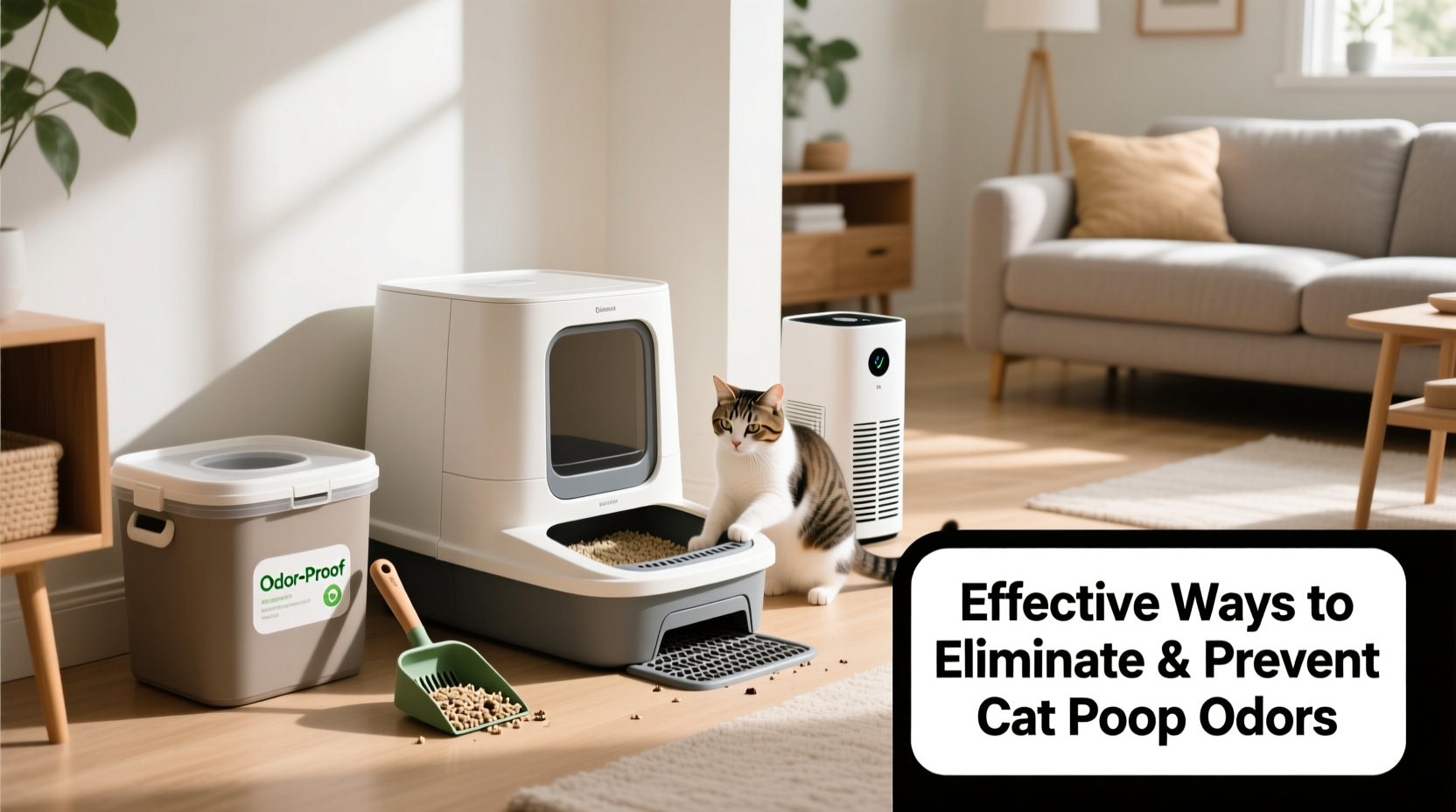
Cat feces contain high levels of urea and proteins, which break down into ammonia when exposed to moisture and bacteria. Ammonia has a sharp, pungent smell detectable at very low concentrations. Additionally, sulfur-containing compounds like hydrogen sulfide contribute to the rotten-egg-like odor often associated with digestive issues in cats.
The porous nature of common household materials — such as carpet fibers, wood floors, and drywall — allows these gases to embed deeply. Surface cleaning may mask the issue temporarily, but without proper enzymatic breakdown, odors resurface over time, especially in humid conditions or when temperatures rise.
Veterinarian Dr. Lena Patel explains:
“Odor isn’t just about cleanliness — it’s an indicator of microbial activity. Unaddressed waste promotes harmful bacteria like E. coli and Salmonella, which pose risks to both pets and humans.” — Dr. Lena Patel, DVM, Feline Health Specialist
Immediate Steps to Eliminate Existing Odors
When dealing with fresh or lingering cat waste smells, speed and method matter. Follow this step-by-step protocol:
- Remove solid waste immediately using a scooper or disposable gloves. Seal it in a plastic bag before placing it in an outdoor trash bin.
- Vacuum affected areas thoroughly, especially carpets and upholstery. Use a vacuum with a HEPA filter to trap fine particles and odor-causing dust.
- Blot liquid residue with paper towels. Avoid rubbing, which spreads contaminants deeper into fibers.
- Apply an enzymatic cleaner designed for pet waste. These products contain live bacteria and enzymes (protease, lipase, amylase) that digest organic matter at the molecular level.
- Allow full drying. Enzymatic action requires time — typically 6–12 hours — so do not rush the process.
- Aerate the room by opening windows or using fans to disperse trapped gases.
Long-Term Prevention Strategies
Preventing odor is more effective than reacting to it. A proactive approach includes consistent maintenance, smart product choices, and behavioral awareness.
- Scoop daily: Remove feces and clumped urine at least once per day. Double-scooping (removing solids first, then clumps) improves hygiene.
- Replace litter completely every 2–3 weeks, even with clumping varieties. Over time, micro-waste accumulates beneath the surface.
- Wash the litter box monthly with mild soap and water. Avoid harsh detergents that leave chemical residues cats may dislike.
- Use odor-controlling litter made from activated charcoal, baking soda-infused clay, or plant-based materials like corn or wheat.
- Ensure adequate ventilation in rooms housing litter boxes. Install exhaust fans or air purifiers with carbon filters to neutralize airborne particles.
Litter Comparison: Odor Control Performance
| Litter Type | Odor Absorption | Dust Level | Pet Safety | Best For |
|---|---|---|---|---|
| Clay (with baking soda) | Moderate | High | Good | Budget-friendly option |
| Silica Gel Crystals | Excellent | Low | Good | Multi-cat homes |
| Wood Pellets | Fair | Very Low | Excellent | Cats with allergies |
| Activated Charcoal-Infused | Superior | Low | Excellent | Strong odor control |
Behavioral and Environmental Factors
Recurrent odors may indicate underlying behavioral or medical issues. Cats are fastidious animals; inappropriate elimination is rarely out of laziness. Common causes include:
- Stress from environmental changes (new pets, furniture, or routines)
- Medical conditions (urinary tract infections, gastrointestinal distress)
- Litter box aversion due to poor placement, inadequate cleaning, or competition in multi-cat households
A real-life example illustrates this: Sarah, a cat owner in Portland, noticed her two-year-old tabby began defecating beside the litter box. Despite frequent cleaning and switching litters, the problem persisted. After a vet visit, she discovered her cat had a mild food intolerance causing softer stools and discomfort. Once adjusted to a sensitive-diet formula and given a larger, lower-entry box, the behavior stopped entirely — and so did the recurring odor.
Essential Maintenance Checklist
Stay ahead of odors with this weekly and monthly checklist:
Weekly Actions
- Scoop waste daily (7 times/week)
- Top off litter to maintain 2–3 inch depth
- Wipe exterior of litter box with damp cloth
- Run air purifier or open windows for airflow
Monthly Actions
- Empty all litter and wash box with warm, soapy water
- Inspect surrounding flooring for hidden stains or seepage
- Replace air filters in HVAC or purifying units
- Check for signs of mold or mildew in corners or under furniture
Frequently Asked Questions
Can I use vinegar to clean cat poop stains?
Yes, diluted white vinegar (1 part vinegar to 1 part water) can help neutralize odors temporarily. However, it does not break down organic waste like enzymatic cleaners do. Use vinegar only as a supplementary step — always follow with an enzyme treatment for complete odor elimination.
How many litter boxes should I have?
The general rule is one box per cat, plus one extra. For example, two cats require three litter boxes placed in separate locations. This reduces territorial stress and provides alternatives if one box is dirty or inaccessible.
Is baking soda safe for cats?
Yes, pure baking soda is non-toxic and excellent for deodorizing. Sprinkle a thin layer at the bottom of the litter box before adding litter. Avoid scented versions or those mixed with essential oils, which can irritate cats’ respiratory systems.
Final Thoughts and Action Plan
Eliminating and preventing cat poop odors isn’t about masking smells — it’s about creating a hygienic, respectful environment for both pets and people. By combining immediate enzymatic cleaning, consistent litter maintenance, proper ventilation, and attention to feline behavior, you can maintain a home that feels fresh and welcoming.
Start today: inspect your current litter setup, purchase an enzymatic cleaner if you don’t already have one, and establish a cleaning schedule. Small, consistent actions yield long-term results. Your nose — and your cat — will thank you.




 浙公网安备
33010002000092号
浙公网安备
33010002000092号 浙B2-20120091-4
Comments
No comments yet. Why don't you start the discussion?