
Cat scratching is a natural behavior rooted in instinct. Cats scratch to mark territory, stretch muscles, shed old claw sheaths, and relieve stress. Unfortunately, this instinct often targets furniture—especially sofas, which are centrally located, stable, and satisfyingly textured. While many reach for deterrent sprays, these can be ineffective long-term and may contain ingredients that irritate pets or damage upholstery.
The most sustainable solution isn’t to suppress scratching, but to redirect it. By understanding feline behavior and making strategic environmental changes, you can preserve your sofa while supporting your cat’s well-being—all without chemical sprays.
Why Cats Scratch: The Behavior Behind the Claws
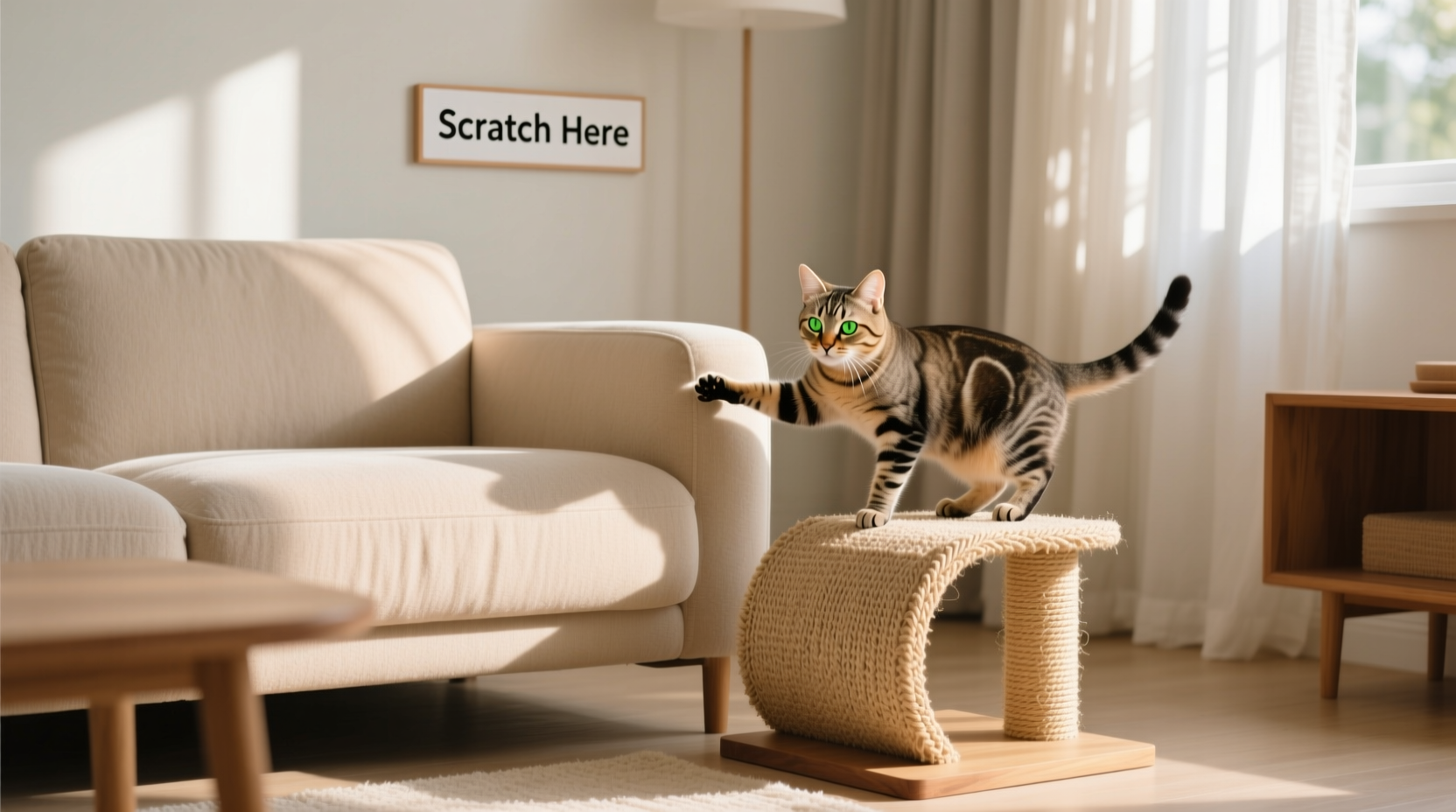
Before addressing how to stop sofa destruction, it's essential to understand why cats scratch in the first place. This behavior isn't mischief—it's communication, exercise, and maintenance rolled into one action.
- Scent marking: Cats have scent glands in their paws. Scratching deposits pheromones, signaling ownership and comfort.
- Muscle stretching: A good scratch stretches the spine, shoulders, and legs—vital after naps.
- Claw health: Scratching removes dead outer layers of claws, keeping them sharp and functional.
- Emotional regulation: Stress or excitement often triggers scratching as a coping mechanism.
Attempting to eliminate scratching altogether is unrealistic and potentially harmful to your cat’s mental health. Instead, the goal should be redirection—offering better alternatives that meet the same needs.
Provide Attractive Alternatives: Cat-Friendly Scratching Surfaces
The cornerstone of any successful anti-scratching strategy is offering appealing substitutes. Your cat won’t abandon the sofa unless something better exists nearby.
Scratching posts and pads come in various materials, orientations, and textures. Not all are equally effective. Consider the following when selecting replacements:
| Material | Pros | Cons |
|---|---|---|
| Sisal rope | Durable, excellent grip, mimics tree bark | Can fray over time |
| Cardboard | Inexpensive, widely accepted, satisfies shredding urge | Wears out quickly |
| Carpet | Familiar texture, soft on paws | May encourage carpet scratching elsewhere |
| Wood | Sturdy, natural feel | Less common; may lack vertical appeal |
Vertical posts should be at least 30 inches tall to allow full-body stretching. Horizontal cardboard scratchers work well under coffee tables or near resting areas. Place multiple options near the sofa initially, then gradually relocate less-used ones once habits shift.
“Cats don’t choose furniture because they hate us—they choose it because it meets their physical and emotional needs. Our job is to offer something even more suitable.” — Dr. Sarah Lim, Feline Behavior Consultant
Modify the Sofa Environment: Make It Less Appealing (Without Sprays)
While introducing alternatives is key, reducing the sofa’s appeal reinforces the desired behavior. The aim isn’t punishment, but subtle discouragement through texture, positioning, and accessibility.
Use Physical Barriers and Textures
Cats dislike certain textures underfoot. Temporary modifications can deter use without damaging fabric:
- Double-sided tape: Apply strips along armrests and corners. The sticky sensation deters paw placement.
- Aluminum foil: Drape loosely over targeted areas. The sound and feel discourage contact.
- Plastic runner mats: Use point-side up (but not sharp) to create an uncomfortable surface.
These are short-term tools. Pair them with increased access to preferred scratching posts so your cat adapts smoothly.
Reposition Furniture or Access
If possible, slightly reposition the sofa away from walls or corners. Cats prefer scratching against stable, upright surfaces. Creating a small gap reduces stability and appeal.
Likewise, block nighttime access if destructive behavior occurs when unsupervised. Close doors or use baby gates during vulnerable hours while reinforcing acceptable outlets elsewhere.
Step-by-Step Guide: Redirecting Scratching Behavior in 6 Weeks
Behavior change takes consistency. Follow this timeline to transition your cat away from the sofa:
- Week 1: Assess & Install
Identify the most scratched areas. Place two new scratchers—one vertical sisal post, one horizontal cardboard pad—directly beside the sofa. - Week 2: Encourage Use
Sprinkle catnip on scratchers. Gently guide paws during playtime. Reward immediately with treats when used. - Week 3: Introduce Texture Deterrents
Apply double-sided tape to high-use zones. Continue rewarding use of alternatives. - Week 4: Relocate Gradually
Move one scratcher six inches away from the sofa. Keep the other in place. Maintain rewards. - Week 5: Reinforce Independence
Remove tape from one area only if no scratching occurred in 72 hours. Monitor closely. - Week 6: Finalize Placement
Shift remaining scratchers to permanent locations (e.g., living room corner, bedroom). Remove all barriers.
This phased approach respects learning curves and prevents regression. If setbacks occur, return to an earlier step rather than skipping ahead.
Mini Case Study: From Chewed Arms to Cardboard Champion
Maria adopted Luna, a young tabby, who immediately claimed the family’s linen sofa as her scratching canvas. Within weeks, both arms were shredded. Unwilling to use sprays or declaw, Maria consulted a behaviorist.
She placed a 32-inch sisal post next to the sofa and rubbed it with silver vine. She covered the left arm with crinkly plastic sheeting and added a flat cardboard scratcher beneath the coffee table. Each time Luna approached the sofa, Maria gently redirected her and praised her for using the post.
Within three weeks, Luna used the post 80% of the time. By week six, the plastic was removed, and the sofa remained intact. Today, Luna has three designated scratchers around the home and hasn’t touched the furniture in over a year.
The success wasn’t about restriction—it was about replacement, patience, and consistency.
Common Mistakes That Undermine Progress
Even well-intentioned efforts can fail due to avoidable errors. Watch for these pitfalls:
- Using unstable or too-short posts: Wobbly or short scratchers don’t allow full stretching, making them unappealing.
- Placing alternatives in low-traffic areas: Cats scratch where they spend time. Isolated posts get ignored.
- Inconsistent reinforcement: Occasional tolerance of sofa scratching teaches that rules are flexible.
- Over-reliance on punishment: Yelling or spraying water increases anxiety, leading to more scratching.
Avoid these by treating scratching as a normal need—not a flaw—and designing your home accordingly.
Checklist: How to Stop Sofa Scratching Without Sprays
Use this checklist to ensure a comprehensive, humane approach:
- ✅ Identify which parts of the sofa are being scratched
- ✅ Purchase at least two types of scratchers (vertical + horizontal)
- ✅ Place scratchers directly beside or in front of targeted areas
- ✅ Use catnip, silver vine, or valerian root to attract initial interest
- ✅ Apply temporary deterrents (tape, foil, plastic mats) to high-risk zones
- ✅ Reward correct scratching with treats or affection
- ✅ Gradually move scratchers to permanent locations
- ✅ Monitor behavior and adjust strategy as needed
- ✅ Trim claws every 2–3 weeks to reduce damage potential
- ✅ Provide daily play sessions to burn energy and reduce stress-related scratching
Frequently Asked Questions
Can I completely stop my cat from scratching?
No—and you shouldn’t try. Scratching is biologically necessary. The goal is to redirect it to appropriate surfaces, not eliminate it. A healthy cat will always scratch somewhere.
What if my cat ignores the scratching post?
Try different materials and placements. Some cats prefer cardboard; others favor sisal. Position the post near sleeping areas or sunny spots. Rubbing it with cat-safe attractants can spark curiosity. Also, ensure the post is sturdy and tall enough for stretching.
Is it okay to cover the sofa permanently?
If temporary methods fail, consider long-term protection. Washable sofa throws, custom-fitted covers, or slipcovers in durable fabrics (like microfiber) can shield upholstery while allowing normal use. Just ensure alternative scratchers remain accessible.
Conclusion: Coexistence Is Possible—With the Right Strategy
Protecting your sofa doesn’t require compromising your cat’s instincts. By embracing their natural behaviors and guiding them humanely, you create a home where both furniture and feline thrive.
Forget sprays and quick fixes. Invest instead in durable scratchers, strategic placement, and consistent encouragement. Over time, your cat will develop new habits—not out of fear, but because better options exist.
Start today: place a scratcher beside the sofa, reward the first swipe, and commit to the process. With patience and structure, you’ll enjoy a peaceful living room and a happy, healthy cat.




 浙公网安备
33010002000092号
浙公网安备
33010002000092号 浙B2-20120091-4
Comments
No comments yet. Why don't you start the discussion?