
Designer bags are more than accessories—they’re investments. Whether it’s a timeless Chanel flap, a structured Gucci tote, or a sleek Saint Laurent shoulder bag, maintaining its integrity is paramount. One common yet overlooked detail? Attaching a keyring. While adding keys directly to a zipper pull or D-ring may seem convenient, it can lead to stretched leather, frayed stitching, or even compromised hardware over time. The good news: there are simple, non-invasive ways to keep your keys close at hand without risking long-term damage.
Why Keyring Attachment Matters for Designer Bags
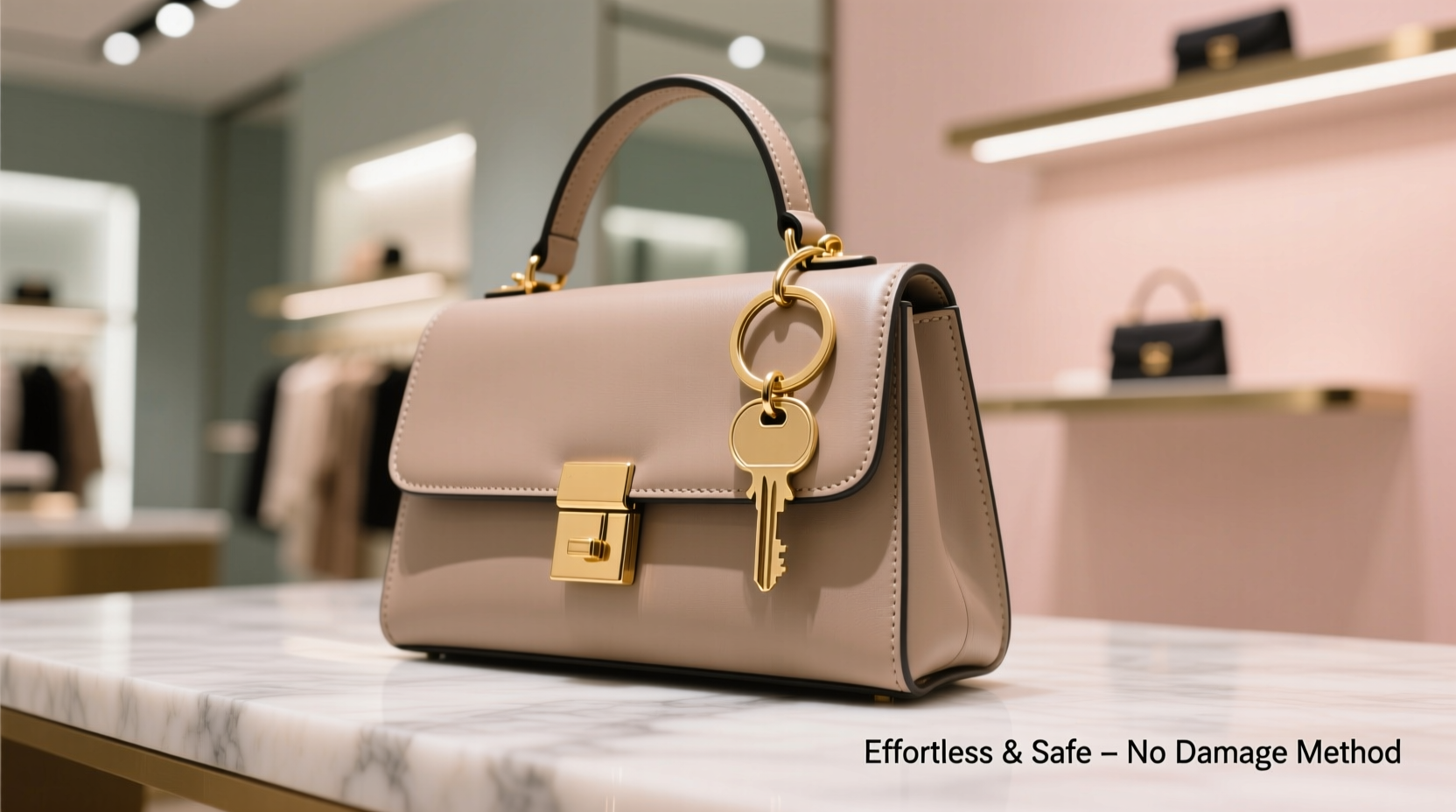
Designers craft luxury bags with precision—every stitch, strap, and metal component serves both aesthetic and structural purposes. When keys are clipped directly to delicate parts like zippers or thin straps, the constant weight and movement create stress points. Over weeks or months, this leads to:
- Deformed zipper pulls
- Worn or cracked leather near attachment points
- Misaligned clasps or broken chains
- Scratches from metal-on-leather friction
Preserving your bag's condition isn’t just about appearance—it directly affects resale value. According to resale platforms like Rebag and Vestiaire Collective, bags showing signs of misuse (including damaged hardware) can lose up to 40% of their potential return.
“Luxury bags are engineered for elegance, not utility overload. Protecting them means respecting their design limits.” — Lena Torres, Handbag Authentication Specialist
Smart Alternatives to Direct Clipping
Avoiding direct attachment doesn’t mean sacrificing convenience. These five methods allow secure, stylish key access while protecting your investment.
1. Use a Detachable Key Holder with a Snap or Clip
Dedicated key holders designed for luxury bags offer a middle ground between function and preservation. Look for compact models made from soft leather or fabric with a sturdy snap or lobster clasp that attaches to existing D-rings—without threading through delicate areas.
2. Attach via an Interior Key Leash (If Available)
Many designer bags come with built-in key leashes—small fabric or chain tethers anchored inside the main compartment. If your bag has one, use it. Never force additional weight onto it, but a lightweight keyring is perfectly suited. For bags without one, consider having a professional leatherworker install a discreet interior loop using matching thread and lining material.
3. Opt for a Floating Key Fob on a Zipper Guard
If you must use the zipper, avoid clipping directly to the pull. Instead, slide a silicone or leather zipper guard over the existing pull, then clip your keys to the guard’s external loop. This distributes pressure and prevents metal-on-metal grinding.
4. Utilize Magnetic Key Clips Designed for Luxury Accessories
New magnetic key clips use low-profile neodymium magnets encased in leather or enamel. Place one inside the bag near the top edge, and the other on your key fob. The connection holds securely but releases easily when pulled. Since nothing pierces or strains the bag, there’s zero risk of damage.
5. Carry Keys in a Mini Pouch Attached to a Non-Critical Ring
Some bags feature multiple D-rings—some functional, others decorative. Identify a sturdier ring (often near the base or shoulder strap anchor) and attach a small pouch. Store keys inside so they don’t swing freely or scratch surfaces.
Step-by-Step: How to Safely Add a Keyring in Under 5 Minutes
- Evaluate your bag’s structure: Locate D-rings, interior loops, or stable anchor points away from zippers and thin straps.
- Select the right accessory: Choose a key holder under 2 oz with a secure clasp (lobster or spring ring).
- Attach gently: Open the clasp and hook it onto the D-ring. Do not stretch or force the leather.
- Add keys: Limit to two or three lightweight keys to prevent sagging.
- Test movement: Gently shake the bag. If the keyring swings excessively, reposition or downsize.
Do’s and Don’ts: Keyring Attachment Guide
| Do | Don’t |
|---|---|
| Use a padded or lined key clip to prevent scratching | Clip heavy keychains directly to zipper pulls |
| Limit total key weight to under 3 ounces | Attach multiple bulky items to one ring |
| Choose finishes that match your bag’s hardware | Use rust-prone metals like untreated steel |
| Remove keys when storing the bag long-term | Leave keys attached during travel or humid conditions |
| Inspect attachment points monthly for wear | Ignore fraying threads or bent rings |
Real Example: Preserving a Vintage Hermès Kelly
Sophie, a collector in Paris, owns a vintage Hermès Kelly 28 in Togo leather. She wanted quick access to her apartment keys but refused to compromise the bag’s pristine condition. Instead of clipping them to the front clasp, she purchased a navy-blue suede key leash with a gold-tone snap. She attached it to the rear D-ring—a less visible but structurally sound location—and tucked the keys inside the leash’s pocket. After 18 months of daily use, the bag was resold at auction with full provenance and no signs of hardware strain. The buyer specifically noted the “immaculate closure mechanism” as a selling point.
This case illustrates how a minor adjustment in habit can preserve both functionality and value.
Checklist: Damage-Free Keyring Integration
- ✅ Inspect your bag for designated attachment points
- ✅ Choose a lightweight, non-abrasive key holder
- ✅ Avoid direct contact between keys and exposed leather
- ✅ Limit key count to essential items only
- ✅ Remove keys before storing the bag for more than two weeks
- ✅ Clean the keyring monthly to prevent tarnish transfer
- ✅ Rotate attachment locations every few months
Frequently Asked Questions
Can I use a carabiner clip on my designer bag?
Only if it’s small, lightweight, and attached to a robust D-ring. Avoid large or industrial-style clips, which can gouge leather and imbalance the bag’s structure. Opt for polished titanium or coated aluminum versions to reduce scratch risk.
Will attaching any keyring void my bag’s warranty?
Most luxury brands do not offer warranties on wear-and-tear damage, including hardware stress. While simply attaching a keyring won’t void terms, visible damage caused by misuse may disqualify you from after-sales services like repairs or refurbishment.
What’s the safest way to carry keys in a clutch with no rings?
Use a slim, fold-over key cover that fits inside a side pocket. Alternatively, wear a minimalist wristlet or ankle key holder underneath clothing—discreet and secure without altering the clutch’s design.
Final Thoughts: Elegance Meets Practicality
Attaching a keyring to a designer bag doesn’t have to be a compromise between convenience and care. With thoughtful accessories and mindful placement, you can enjoy quick access to essentials while honoring the craftsmanship of your bag. The smallest habits often make the biggest difference in longevity. Whether you own one luxury piece or a curated collection, treating each element with intention ensures they remain beautiful for years—and retain their worth when it’s time to pass them on.




 浙公网安备
33010002000092号
浙公网安备
33010002000092号 浙B2-20120091-4
Comments
No comments yet. Why don't you start the discussion?