
When it comes to branded merchandise, few items strike the perfect balance of affordability, visual appeal, and emotional resonance like enamel accessories. Among the most popular options are enamel pins and enamel keychains. Both offer vibrant colors, intricate designs, and long-lasting quality. But which one delivers more value for your brand or event?
The answer isn’t universal—it depends on your audience, budget, goals, and how you plan to distribute and use the items. While they may look similar at first glance, their function, durability, and perceived value differ significantly. Understanding these differences helps ensure your merch investment translates into lasting brand visibility and customer loyalty.
Durability and Longevity: What Holds Up Better?
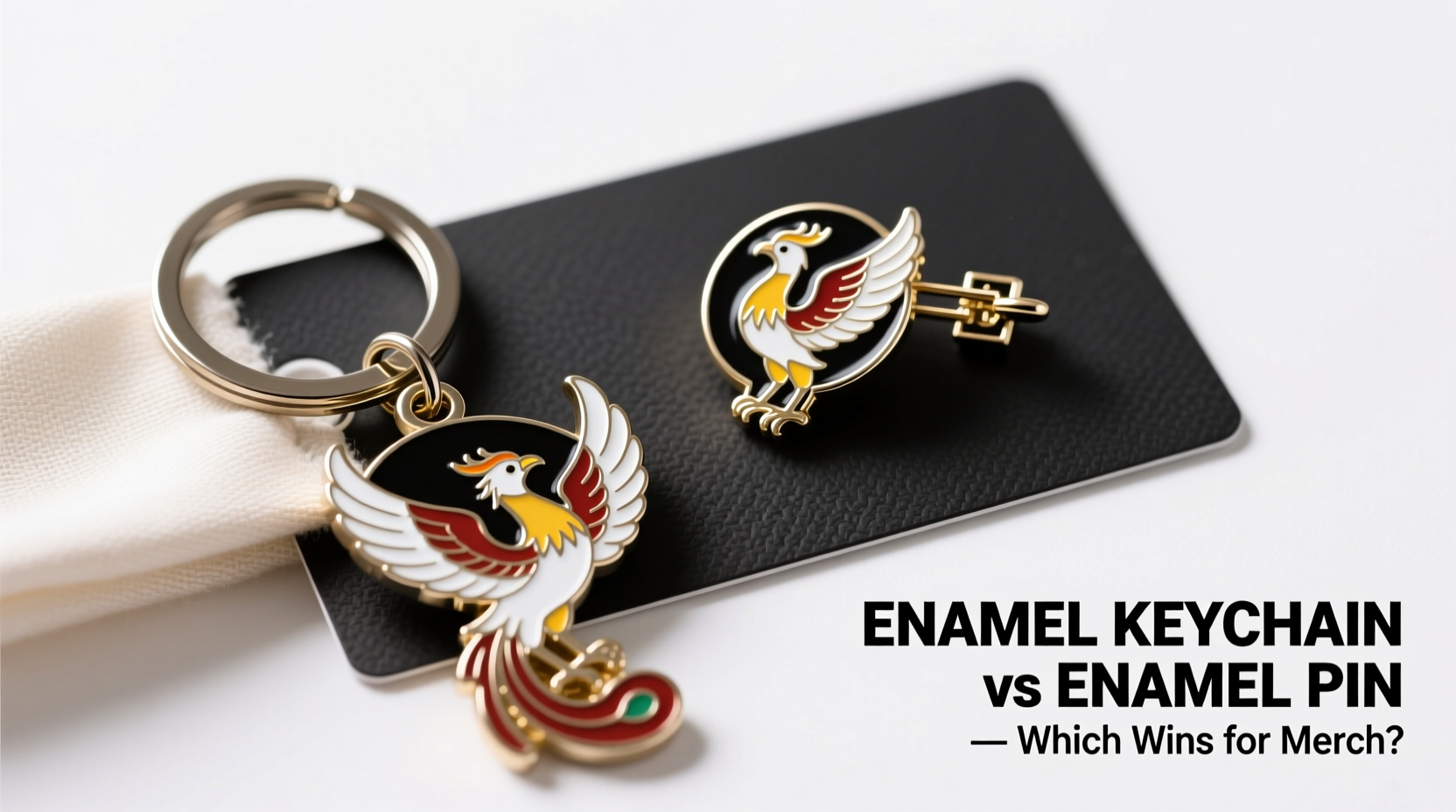
One of the most critical factors in choosing promotional items is how well they withstand daily use. Enamel pins are typically made with a metal base—often iron, brass, or zinc alloy—and coated with layers of colored enamel. They’re designed to be worn on clothing, bags, or hats using a butterfly clutch or rubber backing.
Enamel keychains follow a similar production process but are built with a reinforced metal loop and often include a split ring or carabiner. This structural difference makes them inherently sturdier. Keychains are regularly exposed to jostling in pockets, bags, and against keys, so manufacturers reinforce them during production.
“Keychains endure more physical stress than pins. If durability is a priority, especially for active users or outdoor events, enamel keychains are the smarter long-term option.” — Marcus Lin, Product Designer at BadgeCraft Studios
Pins, while durable, are more prone to bending or losing their backings when handled frequently. A dropped pin can snap its clutch or dent the metal. Keychains, by contrast, are engineered for constant movement and impact.
Cost Comparison and Production Efficiency
Budget plays a major role in merch decisions, especially for startups, nonprofits, or grassroots campaigns. Generally, enamel pins are slightly cheaper per unit at lower quantities (100–300 pieces), primarily due to simpler tooling and widespread manufacturing availability.
However, as order size increases, the price gap narrows. Keychains often require additional components—a larger metal loop, epoxy dome coating for scratch resistance, and sometimes dual-layer plating—which adds to upfront costs. But many suppliers offer bulk discounts that make keychains competitive at scale.
| Feature | Enamel Pin | Enamel Keychain |
|---|---|---|
| Avg. Unit Cost (500 units) | $1.75 – $2.50 | $2.20 – $3.00 |
| Setup/Tooling Fee | $50 – $75 | $65 – $90 |
| Production Time | 10–14 days | 12–16 days |
| Minimum Order Quantity | 50–100 | 100–150 |
| Customization Flexibility | High (soft enamel, cloisonné, etc.) | Moderate to High |
For tight budgets with small runs, pins win. But if you're planning repeat campaigns or want items that last years, the slightly higher cost of keychains pays off in longevity and reusability.
Branding and Visibility: Which One Gets Noticed More?
Visibility determines how effectively your logo or message spreads. Pins are highly visible when worn on jackets, backpacks, or lanyards—especially at conferences, fan conventions, or protests. Their placement puts them at eye level, making them excellent conversation starters.
Keychains, while not worn, are used daily. Every time someone grabs their keys, they see your brand. Plus, keychains often end up on gym bags, lockers, or workstations—semi-public spaces where others notice them. Unlike pins, which people may remove after an event, keychains tend to stay attached to essential items.
A 2022 study by BrandRetention Group found that promotional keychains have a 68% retention rate over six months, compared to 49% for wearable pins. The reason? Keys go everywhere; jackets don’t.
Real-World Example: Music Festival Merch Strategy
Consider “EchoFest,” a mid-sized indie music festival aiming to boost attendee engagement and post-event brand recall. In 2023, they handed out enamel pins at entry gates. Feedback was positive, but social media tracking showed only 32% of attendees wore them beyond the weekend.
In 2024, EchoFest switched to enamel keychains shaped like musical notes, packaged with a QR code linking to a post-event playlist. Follow-up surveys revealed 74% of recipients still had the keychain three months later, and 58% scanned the QR code. Attendees reported attaching them to water bottles, backpacks, and even pet leashes.
The key takeaway: functional integration leads to higher retention. When merch becomes part of daily life, brand exposure multiplies.
Step-by-Step Guide: Choosing the Right Option for Your Campaign
Follow this decision framework to select the best enamel product for your needs:
- Define your goal: Is it awareness, loyalty, or fundraising? Pins excel at identity-building; keychains support ongoing visibility.
- Analyze your audience: Are they students, professionals, or creatives? Students may prefer pins for self-expression; travelers or parents might value practical keychains.
- Assess usage context: Will the item be used daily or kept as a collectible? Functional > decorative in most marketing scenarios.
- Review budget and volume: Calculate total cost per impression. A $2.50 keychain used every day for a year costs less per view than a $2.00 pin worn once.
- Test prototypes: Order samples of both. Hold focus groups or internal reviews to gauge appeal and build quality.
- Plan distribution: At events, via mail, or as purchase incentives? Keychains work better for direct mail; pins shine at live gatherings.
Checklist: Before You Order Your Enamel Merch
- ✅ Confirm metal type (brass for premium feel, iron for economy)
- ✅ Choose between soft, hard, or dyed enamel finish
- ✅ Decide on backing (butterfly clutch for pins, split ring for keychains)
- ✅ Apply UV-resistant epoxy dome for keychains (prevents fading)
- ✅ Include your logo URL or hashtag subtly on the design
- ✅ Request a digital proof before production begins
- ✅ Factor in shipping time—avoid rush fees with early orders
FAQ
Can I turn a pin design into a keychain without redesigning?
Yes, in most cases. However, avoid thin protruding elements that could break under stress. Reinforce delicate parts or adjust proportions for structural integrity.
Which lasts longer outdoors—pins or keychains?
Keychains win here. Their epoxy coating resists moisture, UV rays, and scratches better than standard pin finishes. Prolonged sun exposure can fade pin colors within months.
Are enamel keychains considered less “cool” than pins?
Not anymore. Once seen as corporate giveaways, modern enamel keychains now feature artistic designs and are embraced by streetwear brands, coffee shops, and niche communities. Design matters more than format.
Final Verdict: Which Is Better for Merch?
If your goal is **maximum daily exposure and long-term utility**, enamel keychains are the superior choice. They survive rough handling, integrate into everyday routines, and maintain brand presence far beyond initial distribution.
But if you're building **community identity, encouraging self-expression, or targeting collectors**, enamel pins remain unmatched. Their wearable nature fosters personal connection and visibility in social settings.
The smart strategy? Use both. Launch with pins at events to create buzz, then offer keychains as loyalty rewards or online store exclusives. This layered approach leverages the strengths of each format.




 浙公网安备
33010002000092号
浙公网安备
33010002000092号 浙B2-20120091-4
Comments
No comments yet. Why don't you start the discussion?