
Keychains have evolved from simple utility items to bold fashion statements. Once reserved for holding keys together, they now serve as extensions of personal identity—worn proudly on bags, belts, and lanyards. Two dominant styles have defined the market in recent years: enamel keychains and studded (or spiked) keychains. But with shifting tastes and evolving subcultures, a pressing question emerges: are studded keychains fading into nostalgia, or has the popularity of enamel designs been overinflated?
This isn't just about aesthetics—it's about durability, cultural relevance, and how accessories reflect broader lifestyle choices. To understand where these two styles stand today, we need to examine their history, appeal, and real-world performance.
The Rise and Resonance of Studded Keychains
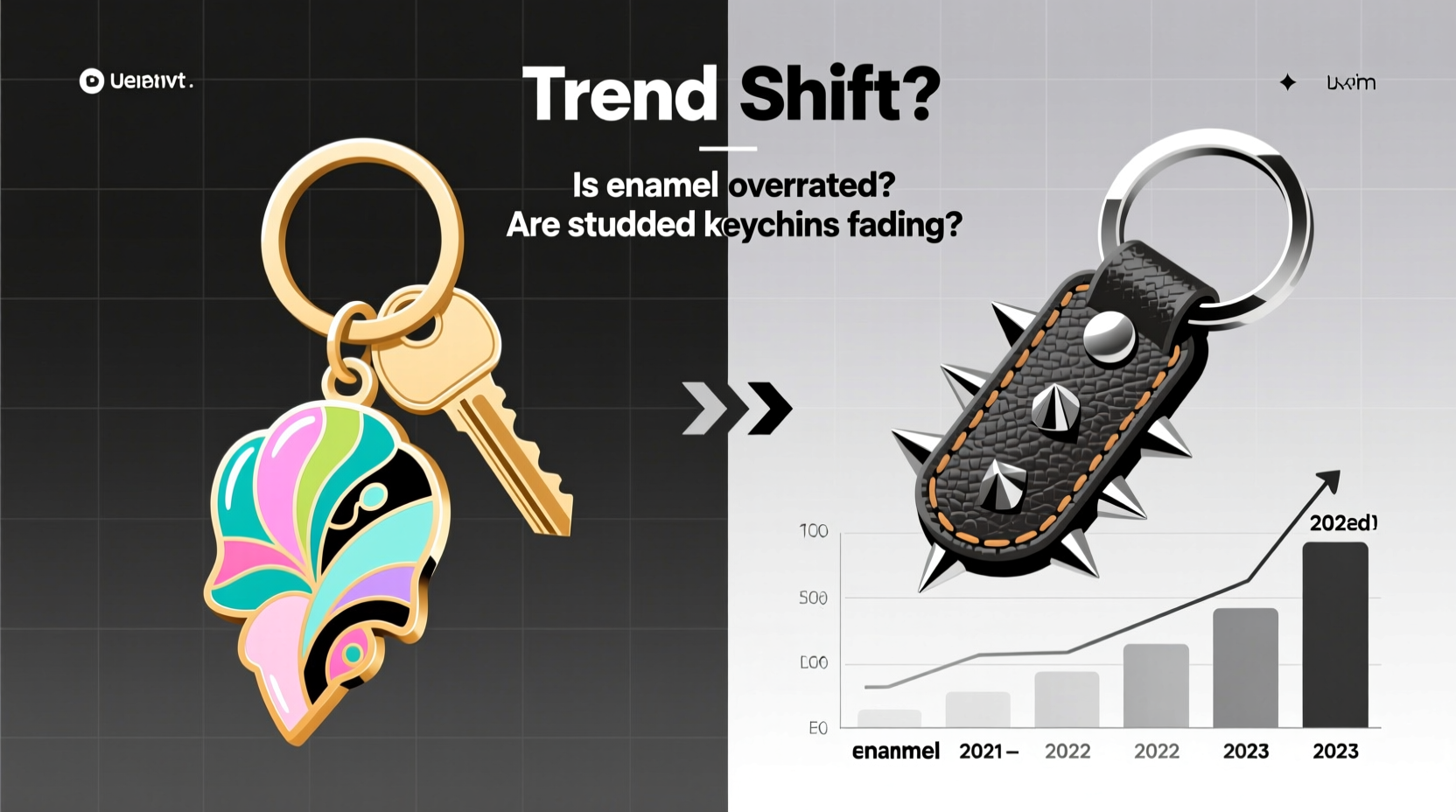
Studded keychains emerged from punk and biker cultures in the 1970s and 80s. The aesthetic was rebellious, rugged, and intentionally intimidating. Metal studs were originally functional—designed to protect against wear—but quickly became symbolic. Wearing a studded keychain signaled defiance, individuality, and a connection to underground movements.
In the 2010s, high-fashion brands like Alexander McQueen and Balmain reintroduced studded accessories to mainstream audiences. Suddenly, spikes weren’t just for leather jackets—they adorned handbags, shoes, and yes, keychains. This revival brought studded designs into luxury retail spaces, making them accessible beyond niche subcultures.
Yet, by the early 2020s, critics began questioning their staying power. “Spikes were everywhere in 2018,” says designer Marcus Tran, who specializes in urban accessories. “Now, when I see them, they feel more costume-like than cool.”
“Trends cycle fast. What feels edgy one year can look dated the next if it doesn’t adapt.” — Marcus Tran, Urban Accessory Designer
The Allure and Limitations of Enamel Keychains
Enamel keychains, often made with hard or soft enamel metal plates, gained traction through pop culture collectibles, brand merchandising, and social media influence. Their appeal lies in precision—vivid colors, clean lines, and intricate details that make them ideal for logos, characters, or slogans.
Brands love enamel keychains because they’re highly customizable and durable under normal use. They’ve become staples at conventions, corporate giveaways, and limited-edition drops. Platforms like Etsy and TikTok have fueled demand for personalized enamel pieces, especially among Gen Z consumers who value curated self-expression.
But despite their polish, enamel keychains aren’t without flaws. They can chip if dropped on hard surfaces. Over time, cheaper plating may tarnish. And while they’re visually striking, some argue they lack tactile interest—feeling “too perfect” compared to rawer alternatives.
Comparative Breakdown: Enamel vs Studded Keychains
| Feature | Enamel Keychains | Studded Keychains |
|---|---|---|
| Durability | High, but vulnerable to chipping on impact | Very high; resistant to dents and wear |
| Aesthetic Range | Broad—supports complex colors and fine detail | Limited to metallic tones and geometric patterns |
| Fashion Relevance (2023–2024) | Strong, especially in streetwear and digital culture | Declining in mainstream; niche appeal remains |
| Tactile Experience | Smooth, polished finish | Rugged, textured, attention-grabbing |
| Maintenance Needs | Moderate—clean with soft cloth, avoid moisture | Low—wipe with dry cloth, no special care needed |
| Price Range (Average) | $8–$25 | $12–$30 (due to metal weight and craftsmanship) |
Are Studded Keychains Going Out of Style?
The data suggests a shift. Google Trends shows a 40% decline in searches for “studded keychains” since 2020. Major retailers have reduced stock, and fewer new product launches feature spike-heavy designs. However, this doesn’t mean extinction.
Niche communities—punk revivalists, motorcycle clubs, and alternative fashion circles—still embrace studded accessories. In fact, their declining mainstream presence may reinforce their authenticity. As mass-market trends favor minimalist or playful enamel charms, studded keychains are reclaiming their roots as symbols of resistance rather than fashion fodder.
Consider the case of Riley Cho, a 29-year-old graphic designer in Portland. “I got my first studded keychain at a DIY punk fair in 2016. It’s scratched, one spike broke off, but I still use it every day. When I see someone else with one, I know we speak the same visual language.”
This illustrates a crucial point: while studded keychains may no longer dominate trend reports, they retain emotional resonance for those who value subcultural identity over fleeting style.
Is Enamel Overrated?
Calling enamel overrated might be too strong—but its dominance deserves scrutiny. Enamel keychains excel in consistency and scalability, which makes them ideal for commercial production. But that same efficiency can lead to oversaturation.
Walk into any convention or online shop, and you’ll find hundreds of nearly identical enamel pins and keychains featuring cats in sunglasses, retro video game icons, or motivational quotes. While fun, this abundance risks diluting their uniqueness. When everyone owns a “This Is My Cozy Era” enamel charm, does it still say anything meaningful about you?
Moreover, the environmental cost of mass-produced enamel pieces—often made with zinc alloy and synthetic resins—is rarely discussed. Many end up discarded after short-lived trend cycles, contributing to accessory waste.
How to Choose Based on Your Lifestyle
Instead of chasing trends, consider what kind of statement you want your keychain to make—and how it fits into daily life.
- For the Minimalist or Professional: A small enamel keychain with a subtle logo or abstract shape complements a clean aesthetic without drawing excessive attention.
- For the Rebel or Subculture Enthusiast: A studded keychain maintains its edge. Pair it with leather gear or denim for authentic styling.
- For the Collector or Gift-Giver: Enamel offers variety and thematic cohesion. Build sets around hobbies, fandoms, or milestones.
- For the Durability-Focused User: If your keys live in a backpack or tool belt, studded or solid metal keychains withstand abuse better than delicate enamel.
Checklist: Choosing the Right Keychain for You
- ✅ Do I prioritize visual detail or physical durability?
- ✅ Will this be used daily or kept as a display piece?
- ✅ Does it align with my personal style—minimalist, bold, nostalgic?
- ✅ Am I supporting ethical production practices?
- ✅ Can it age gracefully, or will it look outdated in two years?
FAQ
Can studded keychains damage other items?
Yes. When carried loose in bags, studded keychains can scratch phones, glasses, or fabric linings. Use a dedicated key organizer or wrap them in a soft sleeve to prevent collateral wear.
Are enamel keychains waterproof?
Most are water-resistant due to protective epoxy coating, but prolonged exposure to moisture—especially saltwater or chlorine—can degrade the finish. Dry thoroughly if wet.
Why are some enamel keychains so expensive?
Pricing depends on metal quality (brass vs. iron), plating (gold, silver, nickel-free), enamel type (soft vs. hard), and craftsmanship. Limited editions or artist collaborations also increase value.
Conclusion: Beyond Trends, Toward Intentionality
The debate between enamel and studded keychains isn’t really about which is “better.” It’s about understanding what each represents—and choosing deliberately. Studded keychains aren’t going out of style for everyone; they’re evolving into markers of enduring identity. Enamel isn’t overrated, but its ubiquity demands more thoughtful selection to avoid becoming just another disposable trend.
The most meaningful accessories aren’t the ones that follow the crowd—they’re the ones that survive it. Whether you choose the bold texture of spikes or the vibrant precision of enamel, let your keychain reflect not just what’s popular, but who you are.




 浙公网安备
33010002000092号
浙公网安备
33010002000092号 浙B2-20120091-4
Comments
No comments yet. Why don't you start the discussion?