
For art students, a pencil case is more than just a storage solution—it’s a mobile studio. Whether sketching in class, painting on location, or refining ideas between lectures, having immediate access to the right tools can make or break a creative session. Yet many students overlook the importance of selecting a truly functional, durable, and well-designed portable pencil case. The wrong choice leads to disorganization, damaged supplies, and unnecessary frustration. The right one supports creativity, enhances efficiency, and protects valuable materials.
This guide dives into the essential considerations—from size and material to organization and portability—to help art students find the ideal pencil case that aligns with their artistic practice and lifestyle.
Understand Your Art Supply Needs
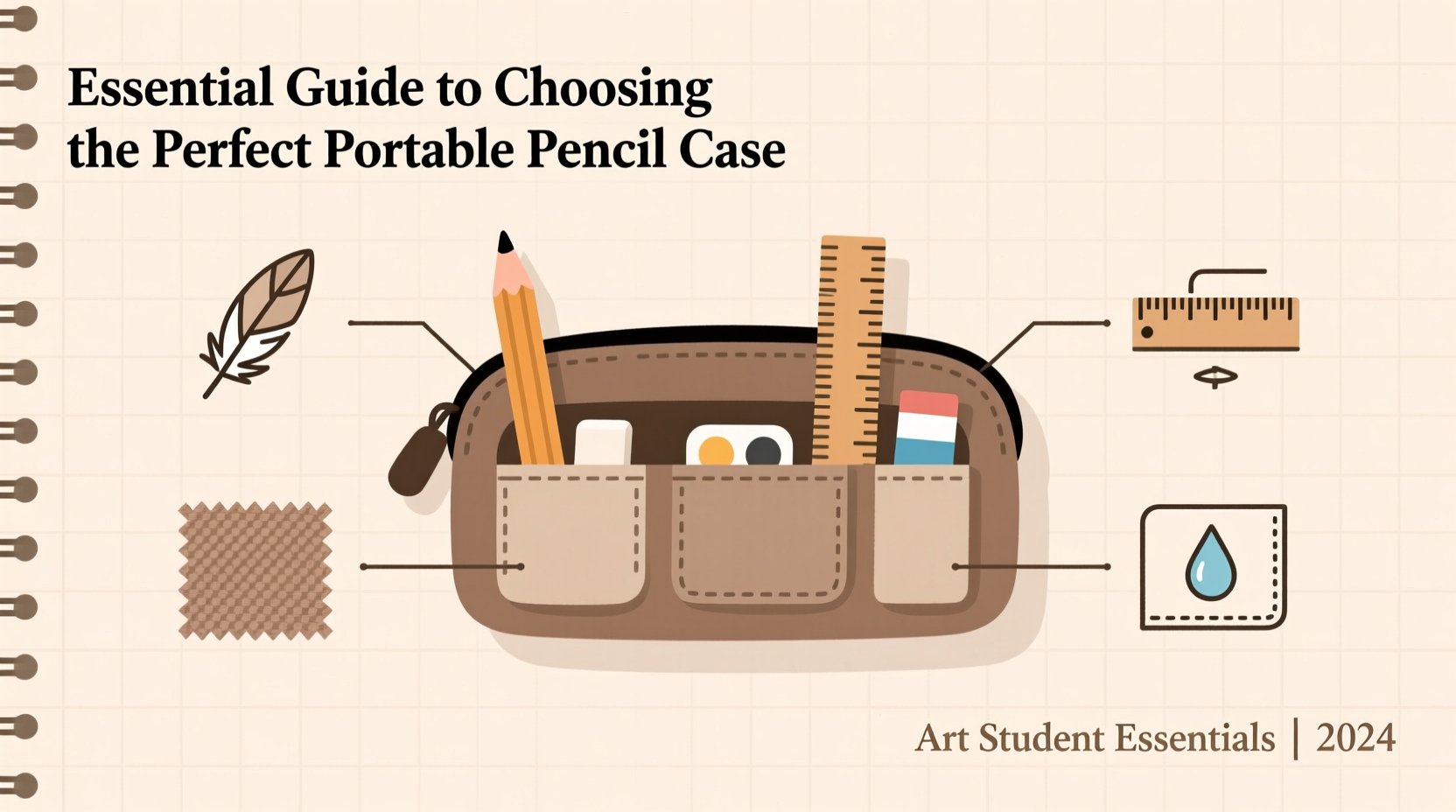
The first step in choosing the right pencil case is assessing what you actually use. Art students work with diverse media: graphite pencils, colored pencils, pens, markers, erasers, blending stumps, fine liners, watercolor brushes, and even small palettes. Some carry only dry media; others transport wet tools daily. Your supply list directly impacts the size, layout, and durability requirements of your case.
A student focused on illustration might need deep compartments for long markers and ruler slots. A painter may require a waterproof section for damp brushes. Sculpture or mixed-media artists could benefit from modular cases that integrate with larger kits. Knowing your toolkit ensures your pencil case isn’t just stylish but genuinely functional.
Key Features of an Ideal Portable Pencil Case
Not all pencil cases are created equal. For art students, functionality trumps fashion. Here are the critical features to prioritize:
- Durability: Look for reinforced stitching, abrasion-resistant fabrics (like nylon, canvas, or Cordura), and quality zippers. Art supplies are heavy, and frequent use demands resilience.
- Internal Organization: Multiple elastic loops, mesh pockets, and adjustable dividers keep items separated and easy to locate. Avoid generic cases with one open cavity.
- Size & Portability: It should fit comfortably in a backpack without adding bulk. Consider slim-profile cases with padded handles or wrist straps for quick access.
- Accessibility: Top-zip or U-shaped openings provide full visibility. Roll-up cases with button straps offer excellent access but may lack structure.
- Water Resistance: Accidental spills or outdoor work demand at least a water-resistant exterior. Fully waterproof linings are ideal for brush users.
“Many students damage their favorite brushes simply by storing them tip-down in rigid cases. A dedicated upright sleeve or soft-roll design prevents this.” — Lena Torres, Fine Arts Instructor at Rhode Island School of Design
Material Matters: What Works Best for Artists?
The material of your pencil case affects longevity, weight, and protection. Here’s a comparison of common options:
| Material | Pros | Cons |
|---|---|---|
| Cordura/Nylon | Highly durable, lightweight, water-resistant | Can feel industrial; limited aesthetic variety |
| Cotton Canvas | Breathable, eco-friendly, classic look | Stains easily; not fully water-resistant |
| Leather (Synthetic or Genuine) | Premium look, ages well, sturdy | Heavy; requires maintenance; costly |
| PVC/Plastic | Fully waterproof, easy to clean | Less breathable; environmentally questionable |
| Felt or Fleece-Lined | Protects delicate tips, soft touch | Limited structural support; prone to lint |
For most art students, a hybrid approach works best—a rugged outer shell (nylon or canvas) with a soft, lined interior to protect nibs and erasers.
Choosing Between Styles: Roll-Up, Zippered, or Expandable?
Different styles serve different workflows. Understanding each helps match form to function.
Roll-Up Cases (Brush Rolls or Artist Tubes)
Ideal for painters and illustrators using brushes or long tools. These feature fabric rolls with secure straps and individual sleeves. They allow vertical or horizontal storage and are excellent for protecting bristles. However, they offer less security for small items like erasers or pencil sharpeners.
Zippered Pouches with Internal Compartments
The most common type. High-quality versions include multiple layers, clear pockets for labels, and elastic bands sized for various tools. Look for YKK zippers and double pulls for smooth operation. Great for students who need quick access during critiques or timed exams.
Expandable Organizers
These feature accordion-style sections or pop-out panels that increase capacity when needed. Perfect for students juggling multiple classes or mediums. When collapsed, they remain compact; when expanded, they transform into mini-drawers.
Real-World Example: Maya’s Field Sketch Kit
Maya, a second-year illustration student at Parsons, struggled with her pencil case splitting at the seams after three months. She carried 24 colored pencils, four fineliners, two waterbrushes, a mixing palette, and a small sketchbook. Her old case had no internal structure and couldn’t handle the weight.
She switched to a roll-up canvas organizer with 36 individual sleeves and a zippered accessory pouch. Now, she rolls it tightly, secures it with leather straps, and slips it into her backpack. “I can grab any tool instantly,” she says. “And my brushes haven’t frayed once since switching.”
Her experience underscores a vital point: the best pencil case adapts to your actual usage, not just your idealized routine.
Step-by-Step Guide to Selecting Your Perfect Case
- Inventory Your Tools: List every item you regularly carry. Measure the longest tool (e.g., a 7-inch brush).
- Determine Usage Frequency: Will you carry it daily? Only to specific classes? This affects durability needs.
- Assess Your Bag Space: Measure available space in your backpack or tote. Leave room for notebooks and tablets.
- Test Opening Styles: Try U-zip, top-zip, and roll-up designs in person if possible. Note how quickly you can retrieve a pencil.
- Check Closure Security: Ensure zippers lock or straps fasten securely to prevent spills when opening your bag.
- Review Cleaning Needs: Can the interior be wiped down? Is the fabric stain-resistant?
- Read Real Reviews: Look for feedback from other art students mentioning durability, pocket depth, and zipper performance.
Frequently Asked Questions
Can I use a regular pencil case for art supplies?
Generic cases often lack the depth, padding, and organization needed for professional-grade tools. While acceptable for basic pencils and erasers, they fall short for markers, brushes, or technical pens. Invest in an artist-specific case for long-term value.
How do I clean a fabric pencil case?
Spot-clean with a mild soap and damp cloth. For removable liners, hand-wash gently and air-dry flat. Never machine-wash unless specified by the manufacturer, as this can damage zippers and seams.
Are metal pencil cases a good idea?
Metal cases are durable and crush-resistant but heavy and noisy. They’re better suited for drafting tools or office use. For art students carrying brushes or charcoal, the risk of damaging soft materials makes them less practical.
Final Checklist Before You Buy
- ✅ Measures at least 1 inch longer than your longest tool
- ✅ Has dedicated slots for fragile items (brushes, pen tips)
- ✅ Made from durable, easy-to-clean material
- ✅ Fits inside your primary bag without overstuffing
- ✅ Includes secure closures and smooth zippers
- ✅ Offers external or quick-access pockets
- ✅ Has positive reviews from fellow art students or professionals
Conclusion: Make Your Tools Work for You
Your pencil case is a silent partner in your creative journey. When thoughtfully chosen, it reduces friction, protects investment, and keeps inspiration flowing. Don’t settle for flimsy designs or poor organization—your art deserves better. Take the time to assess your real needs, test options, and invest in a case that grows with your skills. Whether you're sketching in a café or presenting in a critique, the right portable pencil case ensures you’re always ready to create.




 浙公网安备
33010002000092号
浙公网安备
33010002000092号 浙B2-20120091-4
Comments
No comments yet. Why don't you start the discussion?