
Hydrangeas are prized for their lush foliage and spectacular flower clusters that can transform a garden into a living canvas of color. Yet, even the most beautiful hydrangea can fall short of its potential without proper pruning. Trimming at the wrong time or in the wrong way can lead to weak stems, fewer flowers, or even a season with no blooms at all. Understanding the nuances of hydrangea pruning is not just about aesthetics—it's about encouraging stronger growth, better air circulation, and ultimately, larger, more abundant blossoms.
The key lies in knowing your hydrangea variety, recognizing when it sets flower buds, and using the right technique. This guide breaks down everything you need to know to prune with confidence, avoid common mistakes, and get the most from your shrubs.
Know Your Hydrangea Type Before You Cut
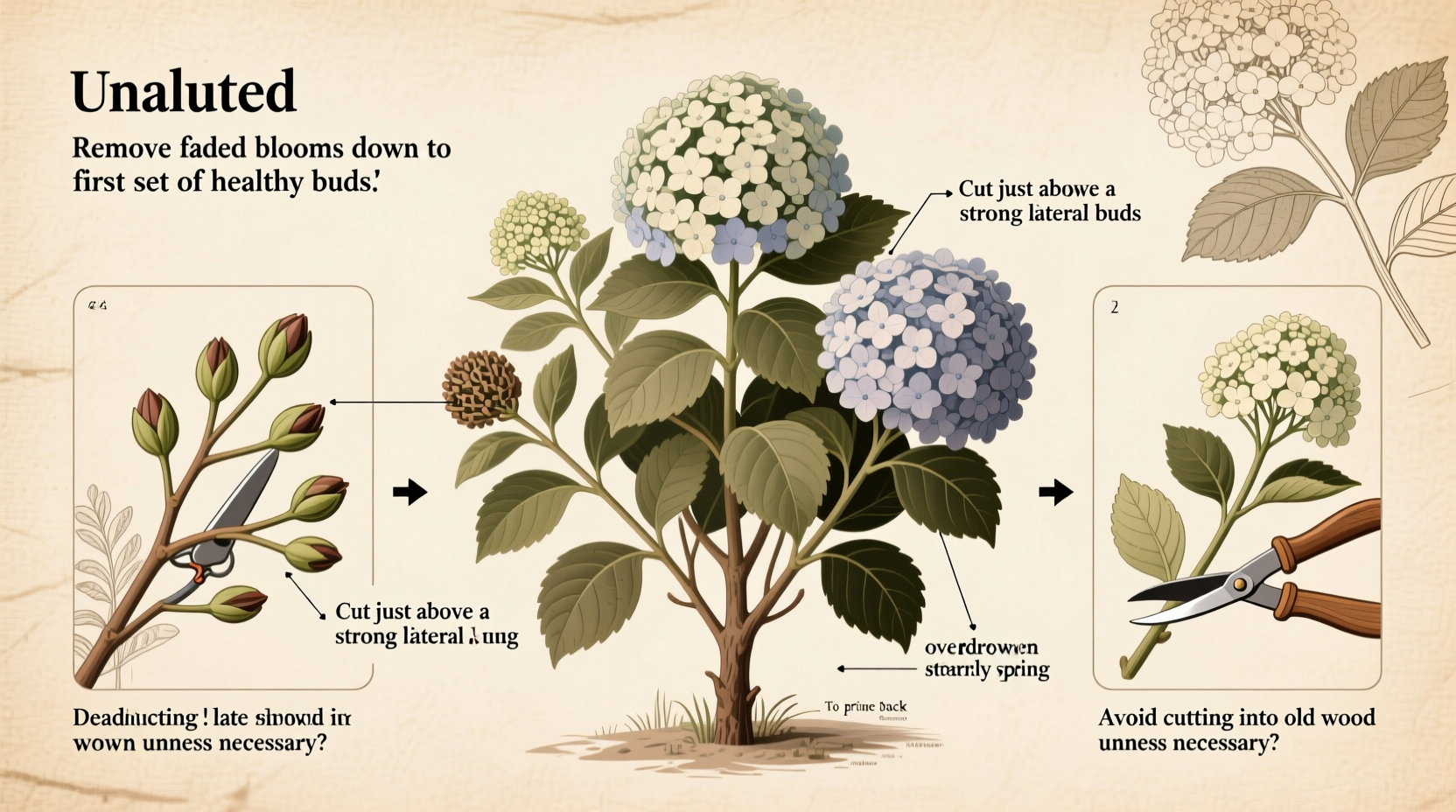
Not all hydrangeas respond the same way to pruning. The timing and method depend heavily on whether your plant blooms on old wood, new wood, or both. Misidentifying your type can result in cutting off next season’s flowers before they ever form.
Here are the five most common types and how they grow:
- Hydrangea macrophylla (Bigleaf hydrangea): Blooms on old wood. Flowers appear on stems grown the previous year. Pruning too aggressively in fall or early spring removes bloom sites.
- Hydrangea arborescens (Smooth hydrangea): Blooms on new wood. These can be cut back hard in late winter or early spring without losing flowers.
- Hydrangea paniculata (Panicle hydrangea): Blooms on new wood. Tolerant of heavy pruning and often shaped into tree forms.
- Hydrangea quercifolia (Oakleaf hydrangea): Blooms on old wood. Best pruned lightly, immediately after flowering ends.
- Reblooming varieties (e.g., ‘Endless Summer’): Bloom on both old and new wood. More forgiving but still benefit from selective pruning.
“Pruning hydrangeas isn’t one-size-fits-all. Know the variety first—this single step prevents the most common gardening regrets.” — Dr. Linda Chen, Horticulturist, University of Georgia Extension
When to Prune: Timing Is Everything
Timing determines whether you’ll enjoy a summer full of blooms or face bare branches where flowers should be. The general rule: prune right after flowering for old-wood bloomers; prune in late winter or early spring for new-wood bloomers.
| Variety | Bloom Source | Best Pruning Time | Risk of Wrong Timing |
|---|---|---|---|
| Bigleaf (H. macrophylla) | Old wood | Immediately after summer bloom (by mid-July) | Lose next year’s flowers |
| Smooth (H. arborescens) | New wood | Late winter to early spring (Feb–March) | None—encourages stronger growth |
| Panicle (H. paniculata) | New wood | Late winter to early spring | Over-pruning may reduce size but not eliminate blooms |
| Oakleaf (H. quercifolia) | Old wood | Right after flowering ends | Removes flower buds; weakens structure |
| Reblooming (e.g., Endless Summer) | Old and new wood | After summer bloom; light shaping in early spring | Heavy spring cuts reduce early flowers but late ones may still come |
Step-by-Step Pruning Process
Follow this sequence to ensure clean, effective pruning that supports long-term plant health.
- Gather clean tools: Use sharp bypass pruners disinfected with rubbing alcohol to prevent disease spread.
- Remove dead or damaged wood: Cut these stems flush to the base or to healthy tissue.
- Cut out weak interior stems: Thin crowded centers to improve airflow and reduce fungal risk.
- Shape selectively: For old-wood bloomers, trim only the tips of spent blooms. For new-wood types, cut back up to one-third of the plant’s height.
- Remove older canes: On mature plants, remove 1–3 of the thickest, oldest stems at ground level to stimulate new growth.
- Clean up debris: Rake away fallen leaves and clippings to minimize overwintering pests.
Common Mistakes and How to Avoid Them
Even experienced gardeners make errors when pruning hydrangeas. Awareness is the first step toward correction.
- Pruning Bigleaf hydrangeas in fall: This removes flower buds formed during summer. Wait until after blooming ends.
- Over-pruning reblooming types: While they bloom on new wood, excessive cutting sacrifices early-season flowers.
- Using hedge shears for shaping: Creates dense outer layers that block light and air, inviting mildew. Use hand pruners for precision.
- Ignoring plant maturity: Young hydrangeas need minimal pruning—focus on structural development, not size control.
“I once saw a gardener cut her ‘Nikko Blue’ down to 6 inches every spring. She wondered why she never had blooms. That plant was being pruned like a smooth hydrangea—but it wasn’t.” — Mark Rivera, Certified Master Gardener, Pacific Northwest Chapter
Real Example: Reviving an Overgrown Bigleaf Hydrangea
Susan in Portland inherited a neglected backyard with a massive, leggy Bigleaf hydrangea. It produced only a few pale blooms each summer despite rich soil and shade. After identifying it as H. macrophylla, she implemented a three-year renewal plan:
- Year 1: Removed one-third of the oldest canes at ground level in late July, after flowering.
- Year 2: Repeated the process, also thinning weak interior shoots.
- Year 3: Lightly shaped remaining stems and applied balanced fertilizer in spring.
By the fourth summer, the plant was denser, more compact, and covered in deep blue mophead blooms. Airflow improved, reducing powdery mildew incidents. Susan now enjoys a showpiece that draws compliments from neighbors.
Essential Pruning Checklist
Keep this checklist handy when you’re ready to prune:
- ✅ Identify your hydrangea variety
- ✅ Confirm current bloom status (finished or upcoming)
- ✅ Disinfect pruning tools
- ✅ Remove dead, diseased, or broken stems
- ✅ Thin crowded center branches
- ✅ Shape according to variety-specific guidelines
- ✅ Clean up plant debris around the base
- ✅ Apply mulch (but keep it away from the crown)
Frequently Asked Questions
Can I prune my hydrangea in the fall?
Only if it’s a smooth or panicle hydrangea. Most others set flower buds on old wood during summer and fall—pruning then removes next year’s blooms. For Bigleaf and Oakleaf types, wait until after flowering ends in summer.
Why didn’t my hydrangea bloom after pruning?
The most likely cause is pruning at the wrong time. If you cut back a Bigleaf hydrangea in late fall, winter, or spring, you removed stems that already had flower buds. Also consider factors like harsh winter dieback, too much nitrogen fertilizer, or insufficient sunlight.
How far can I safely cut back a hydrangea?
For new-wood bloomers like ‘Annabelle,’ you can cut back to 6–12 inches from the ground in late winter. For old-wood bloomers, limit cuts to dead wood and spent blooms. Reblooming types tolerate moderate cuts but avoid removing more than one-third of the plant.
Final Thoughts: Pruning for Long-Term Beauty
Trimming hydrangeas is not just seasonal maintenance—it’s an investment in future beauty. Done correctly, pruning strengthens the plant’s structure, reduces disease pressure, and maximizes bloom production. The effort you put in during a quiet weekend in late winter or midsummer pays dividends in the vibrant displays that follow.
Start by observing your plants closely. Learn their habits. Match your shears to the season and the species. With patience and precision, your hydrangeas will reward you with fuller growth and bolder, more breathtaking blooms year after year.




 浙公网安备
33010002000092号
浙公网安备
33010002000092号 浙B2-20120091-4
Comments
No comments yet. Why don't you start the discussion?