
The Bahn Mi sandwich is more than a meal—it’s a culinary conversation between French colonial influence and Vietnamese ingenuity. Found on street corners in Ho Chi Minh City and artisanal cafes in Brooklyn, its global appeal lies in its balance: crisp, creamy, tangy, spicy, savory, and herbal, all within a single bite. But what separates an average Bahn Mi from an exceptional one? The answer lies not in complexity, but in the careful selection and preparation of key ingredients. While the crusty baguette and protein are foundational, it's the supporting cast—pickled vegetables, fresh herbs, condiments, and sauces—that transform the sandwich from simple to sublime. Understanding these components, their roles, and how to source or prepare them authentically is the secret to mastering this iconic dish at home.
Definition & Overview: What Defines a Bahn Mi?
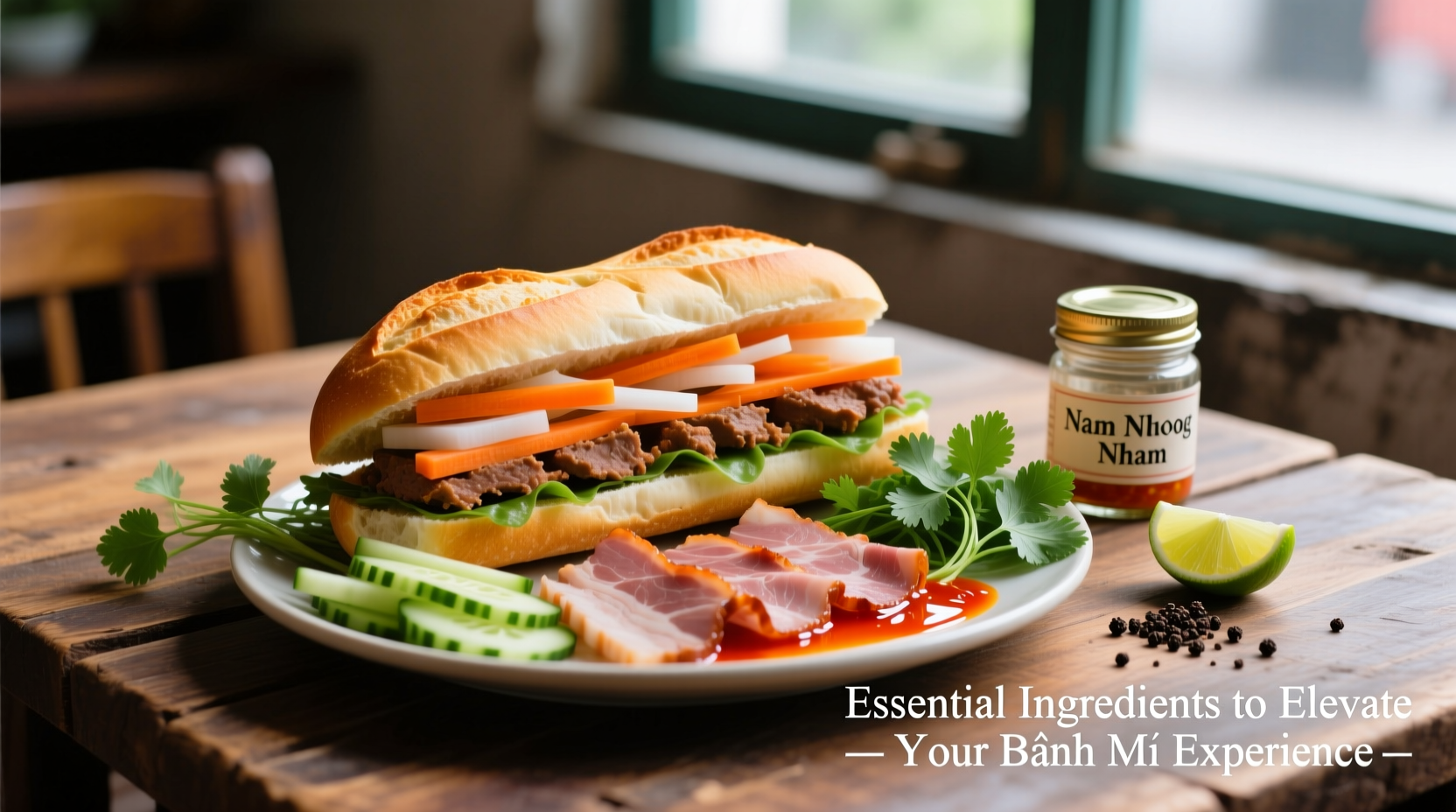
Bahn Mi (bánh mì) translates literally to “wheat bread” in Vietnamese, a nod to its French colonial roots. Originally conceived as a fusion of French baguettes and local flavors, the modern Bahn Mi has evolved into a vibrant, layered sandwich typically served on a thin, airy baguette with a crisp crust. It combines elements of charcuterie, fresh produce, fermented or pickled vegetables, herbs, and umami-rich condiments. Though proteins like grilled pork, lemongrass chicken, or cold cuts anchor the sandwich, the true soul of Bahn Mi lies in its accompaniments. These ingredients don’t merely add texture—they provide contrast, brightness, acidity, heat, and depth, ensuring each bite remains dynamic and never monotonous. Authenticity isn’t about rigid adherence to tradition; it’s about achieving harmony through carefully curated layers of flavor and mouthfeel.
Key Characteristics of Essential Bahn Mi Ingredients
To build a superior Bahn Mi, certain ingredients must meet specific criteria in flavor, texture, and function. Below is a breakdown of the core components and their defining traits:
| Ingredient | Flavor Profile | Texture | Culinary Function | Shelf Life (Prepared) |
|---|---|---|---|---|
| Pickled Daikon & Carrot (Đồ Chua) | Tangy, slightly sweet, clean acidity | Crisp, crunchy | Counteracts richness, adds brightness | 2–3 weeks refrigerated |
| Mayonnaise (with Pâté) | Creamy, rich, umami-forward | Smooth, spreadable | Moisture base, fat carrier for flavor | 5 days (mixed), longer if separate |
| Chili Sauce (Tương Ớt) | Spicy, garlicky, slightly sweet | Smooth or coarse paste | Heat source, flavor amplifier | 3–4 weeks refrigerated |
| Fresh Cilantro (Ngò) | Herbal, citrusy, slightly peppery | Delicate, leafy | Aromatic lift, freshness | 5–7 days refrigerated |
| Sliced Cucumber | Clean, mild, refreshing | Crisp, juicy | Hydration, cooling contrast | 3–4 days prepared |
| Protein (e.g., Grilled Pork, Pâté) | Savory, smoky, umami-rich | Tender, sometimes chewy | Structural and flavor anchor | 3–4 days refrigerated |
Each ingredient serves a distinct purpose. Omitting or substituting carelessly can unbalance the entire sandwich. For example, skipping pickled vegetables removes the crucial acidic counterpoint, while using bland lettuce instead of cilantro dulls the aromatic dimension.
Practical Usage: How to Layer and Apply Each Ingredient
The art of Bahn Mi construction is as important as ingredient quality. Even the best components will underperform if improperly assembled. Follow this sequence for optimal layering:
- Toast the Baguette: Lightly split and toast the bread to prevent sogginess. A 30-second press in a panini grill or toaster oven crisps the exterior while preserving interior softness.
- Apply the Fat Layer: Spread a thin layer of mayonnaise on both interior sides. For authenticity, mix 1 part Vietnamese pork liver pâté (or high-quality duck liver pâté) with 3 parts mayo. This blend adds depth without overwhelming richness.
- Add Protein: Place grilled meats, cold cuts, or tofu evenly down the center. Avoid overloading—aim for a ½-inch thickness max.
- Incorporate Pickled Vegetables: Drain excess liquid from daikon and carrot mix before adding. Use approximately ¼ cup per sandwich to ensure crunch without wetness.
- Layer Cooling Elements: Add thin slices of cucumber and optionally julienned green bell pepper for additional crispness.
- Finish with Herbs and Heat: Generously scatter fresh cilantro leaves. Drizzle 1–2 teaspoons of chili sauce directly over the fillings or on the top bread layer.
Pro Tip: Assemble Bahn Mi just before eating. If preparing ahead, pack components separately and assemble within 15 minutes of serving to maintain structural integrity and textural contrast.
Variants & Types: Regional and Modern Interpretations
While the classic Saigon-style Bahn Mi includes pâté, cold cuts, and pickled vegetables, regional variations across Vietnam and the diaspora showcase diverse adaptations:
- Bánh Mì Thịt Nướng: Features grilled lemongrass-marinated pork. The meat is tender, slightly charred, and aromatic, often paired with extra herbs and a squeeze of lime.
- Bánh Mì Xíu Mại: Uses Vietnamese-style meatballs (spiced with shallots, fish sauce, and nutmeg) instead of sliced meats.
- Bánh Mì Chả Lụa: Centered around steamed pork sausage (similar to mortadella), known for its bouncy texture and subtle sweetness.
- Bánh Mì Đậu Hũ: A vegetarian version with fried tofu, mushrooms, and marinated soy protein, ideal for plant-based diets.
- Modern Fusion Variants: Include options like Bahn Mi with Korean bulgogi, Thai basil chicken, or even smoked salmon—popular in Western cafes but diverging from traditional profiles.
When selecting a variant, consider the flavor synergy. For instance, lemongrass pork pairs exceptionally well with extra jalapeño slices and a touch of hoisin in the chili sauce. Tofu-based versions benefit from a more assertive chili-garlic sauce to compensate for lower inherent umami.
Comparison with Similar Ingredients
Several ingredients used in Bahn Mi have close counterparts that may seem interchangeable but differ significantly in flavor and function. Understanding these distinctions ensures authenticity:
| Ingredient | Common Confusion | Key Differences |
|---|---|---|
| Daikon Radish (Pickled) | Red radishes | Daikon is milder, less peppery, and absorbs brine better; red radishes turn mushy and overly sharp when pickled. |
| Chili Garlic Sauce (Tương Ớt) | Sriracha | Sriracha is sweeter, thicker, and vinegar-forward; traditional tương ớt uses fresh garlic, chilies, sugar, and salt with a coarser texture. |
| Vietnamese Baguette | French Baguette | Vietnamese versions use a mix of wheat and rice flour, yielding a lighter, airier crumb and shatteringly crisp crust that doesn’t compress easily. |
| Fish Sauce (in marinades) | Soy Sauce | Fish sauce provides funk and umami without color; soy sauce adds saltiness and darkness, altering both taste and appearance. |
| Cilantro (Coriander Leaf) | Flat-leaf parsley | Parsley lacks the citrusy, pungent notes of cilantro; substitution results in a muted, less authentic aroma profile. |
Using substitutes without understanding their impact can dilute the Bahn Mi’s identity. For example, replacing cilantro with parsley may satisfy visual expectations but fails to deliver the aromatic punch essential to the experience.
Practical Tips & FAQs
How do I make quick-pickled daikon and carrot?
Combine 1 cup shredded daikon and 1 cup julienned carrot with 1 cup rice vinegar, ½ cup sugar, and 1 tsp salt. Heat until sugar dissolves, then pour over vegetables in a jar. Cool to room temperature, then refrigerate. Ready in 1 hour; optimal after 4 hours.
Can I use store-bought pâté?
Yes. Opt for smooth pork or duck liver pâté. Avoid strongly spiced or smoked varieties. Blend with mayonnaise at a 1:3 ratio for proper consistency and flavor integration.
What’s the best bread for Bahn Mi?
Seek out Vietnamese bakeries for authentic loaves made with rice flour. If unavailable, use a thin French baguette but reduce baking time slightly to avoid excessive density. Never use sandwich rolls or sourdough—they lack the necessary crisp-tender balance.
How spicy should the chili sauce be?
Traditional Bahn Mi is moderately spicy. Adjust heat to preference, but aim for a sauce that enhances, not overwhelms. A balanced ratio: 3 tbsp chili paste (like sambal oelek), 1 minced garlic clove, 1 tsp sugar, 1 tsp lime juice, and 1 tsp water.
Can I prep ingredients in advance?
Absolutely. Pickled vegetables keep for weeks. Cooked proteins last 3–4 days refrigerated. Pre-slice cucumbers but store them dry with a paper towel to absorb moisture. Mix sauces up to 5 days ahead. Assemble only when ready to eat.
Are there vegan alternatives that preserve authenticity?
Yes. Use mushroom-pâté blends or silken tofu blended with nutritional yeast and miso for umami. Marinate tofu or seitan in lemongrass, soy sauce (or tamari), garlic, and sugar. Replace fish sauce with a vegan version or a mix of soy sauce and seaweed powder.
Storage Guide: Store pickled vegetables in a sealed glass jar in the refrigerator. Keep chili sauce in a small container with a tight lid. Wrap baguettes in paper (not plastic) to preserve crust. Never freeze assembled sandwiches—they lose all textural integrity.
“The Bahn Mi is a study in contrasts. Without the acid of pickles, it’s heavy. Without the herb, it’s flat. Without the heat, it’s lifeless. Balance isn’t optional—it’s the point.” — Chef Linh Nguyen, author of Street Food Heritage: Vietnam
Summary & Key Takeaways
Elevating your Bahn Mi experience hinges on attention to detail, not extravagance. The sandwich thrives on contrast: hot against cool, rich against bright, soft against crisp. To achieve this, prioritize the following:
- Never skip the pickled vegetables. Homemade đồ chua takes minutes to prepare and lasts weeks, delivering unmatched crunch and acidity.
- Use pâté-mayo blend. This signature fat layer distinguishes authentic Bahn Mi from generic subs. Even a small amount deepens flavor significantly.
- Fresh cilantro is non-negotiable. Its aromatic intensity cannot be replicated by parsley or other herbs.
- Balance heat with precision. Chili sauce should excite, not scorch. Customize based on preference, but maintain harmony.
- Respect the bread. A proper Vietnamese baguette is structural and textural—it must crack audibly when bitten yet remain pliable inside.
- Assemble at the last moment. Premature assembly leads to sogginess. Prep components ahead, but layer just before serving.
Mastering the Bahn Mi is less about technique and more about ingredient intelligence. By understanding the role each component plays—whether it’s the microbial tang of pickled daikon or the earthy silk of pâté—you gain the power to replicate not just a sandwich, but a cultural artifact. With these essentials in hand, you’re equipped to craft a Bahn Mi that resonates with authenticity, complexity, and joy.
Challenge Yourself: Try making a full Bahn Mi from scratch this week—begin with pickling vegetables two days ahead, grilling your own lemongrass pork, and sourcing or baking an authentic baguette. Note the difference each element makes. Share your creation with someone new to Bahn Mi and observe their first bite. That moment of revelation is the true measure of success.




 浙公网安备
33010002000092号
浙公网安备
33010002000092号 浙B2-20120091-4
Comments
No comments yet. Why don't you start the discussion?