
A well-stocked spice cabinet is the cornerstone of flavorful cooking. While fresh herbs and whole spices have their place, seasoning powders offer unmatched convenience, consistency, and depth in everyday meals. From enhancing roasted vegetables to building complex sauces, these pantry staples bridge the gap between simplicity and sophistication. For home cooks aiming to improve their culinary results without spending hours prepping, mastering a core set of essential seasoning powders is non-negotiable. These ingredients not only save time but also ensure balanced flavor profiles across cuisines. Understanding which powders are indispensable—and how to use them effectively—can transform even basic dishes into restaurant-quality fare.
Definition & Overview
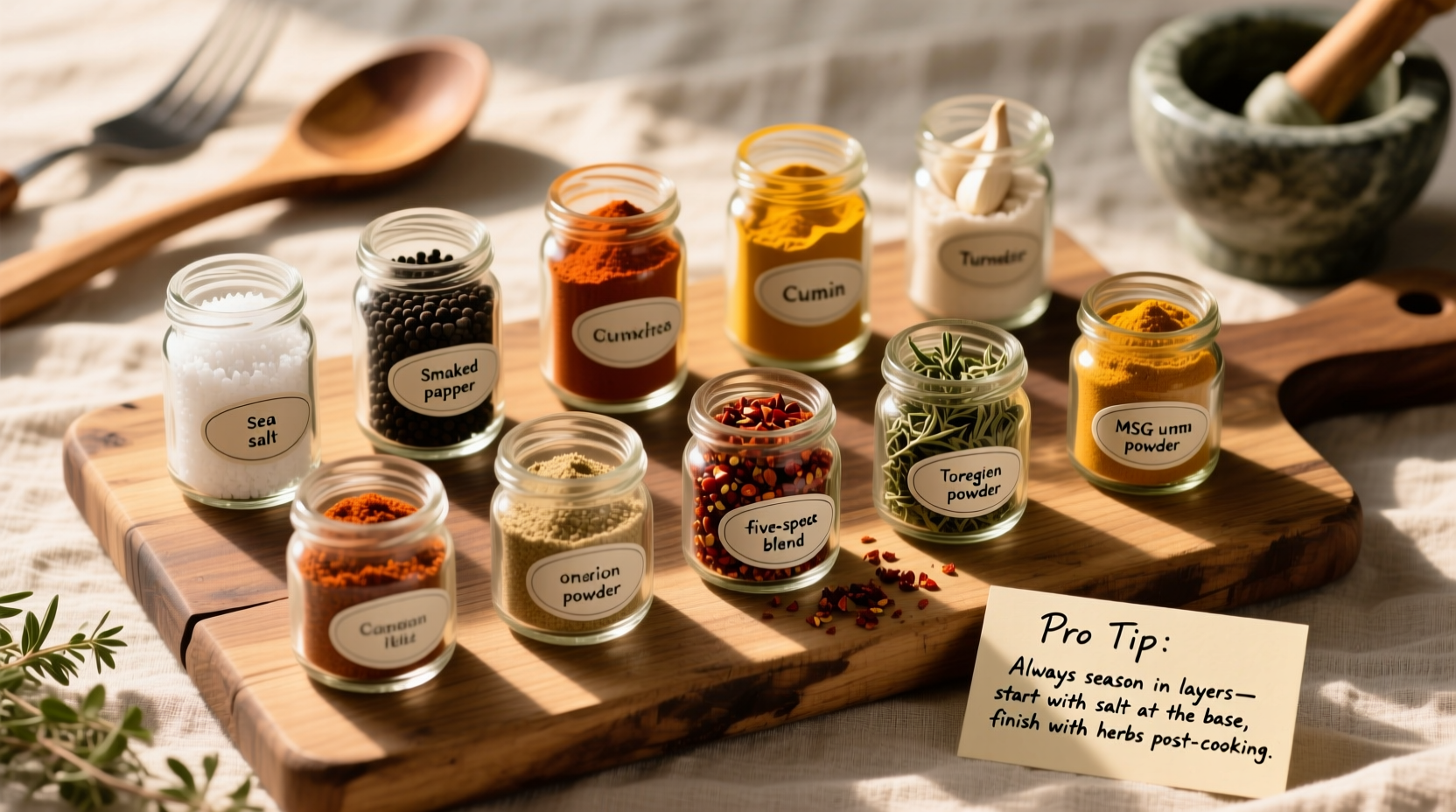
Seasoning powders are finely ground forms of dried herbs, spices, roots, seeds, or blends used to enhance the taste, aroma, and color of food. Unlike salt or sugar, which primarily affect basic tastes, seasoning powders contribute nuanced layers such as earthiness, warmth, smokiness, or brightness. They are produced through drying and milling processes that concentrate flavor compounds, making them shelf-stable and easy to incorporate into dry rubs, marinades, soups, stews, baked goods, and more.
The most essential seasoning powders originate from global culinary traditions—from Indian turmeric and Middle Eastern sumac to American chili powder and French herbes de Provence. Their widespread adoption reflects both cultural significance and functional versatility. When stored properly, these powders retain potency for months, offering consistent performance whether you're searing chicken, seasoning beans, or baking spice cakes.
Key Characteristics of Essential Seasoning Powders
The following table outlines the core attributes of eight indispensable seasoning powders every kitchen should have:
| Seasoning Powder | Flavor Profile | Aroma | Color | Heat Level (Scoville/Subjective) | Culinary Function | Shelf Life (Unopened) |
|---|---|---|---|---|---|---|
| Garlic Powder | Savory, umami, slightly sweet | Pungent, roasted garlic | Tan to light brown | 0 | Base flavor enhancer, meat rubs, soups | 3–4 years |
| Onion Powder | Sweet, sharp, allium-forward | Sharp, caramelized onion | Pale yellow | 0 | Balancing sweetness, breading, dressings | 3–4 years |
| Paprika (Sweet) | Mild, sweet pepper, faintly fruity | Earthy, bell pepper-like | Bright red | 0–500 SHU | Colorant, base for goulash, rice dishes | 2–3 years |
| Chili Powder (Blend) | Spicy, earthy, cumin-forward | Smoky, piquant | Deep rust red | 1,000–4,000 SHU | Tacos, chili, Tex-Mex applications | 2–3 years |
| Ground Cumin | Earthy, nutty, warm | Toasted seeds, slightly citrusy | Tan-brown | 0 | Bean dishes, curries, spice blends | 3–4 years |
| Ground Coriander | Citrusy, floral, mild | Lemon-pepper, herbal | Light beige | 0 | Curries, pickling, Middle Eastern grills | 3–4 years |
| Turmeric | Earthy, slightly bitter, peppery | Woody, ginger-like | Vibrant orange-yellow | 0 | Anti-inflammatory boost, curry base, coloring | 2–3 years |
| Smoked Paprika | Smoky, sweet, deep | Wood-fired, campfire-like | Ruby red | 0–800 SHU | Paella, grilled meats, deviled eggs | 2–3 years |
Practical Usage: How to Use Each Powder Effectively
Each of these powders plays a distinct role in building flavor. Knowing when and how to apply them ensures optimal results.
Garlic Powder
Use garlic powder to add consistent allium flavor without moisture or texture changes. It dissolves evenly in liquids and adheres well to proteins. Ideal for dry rubs on chicken thighs, seasoning roasted potatoes, or boosting canned soups. Replace one clove of fresh garlic with ⅛ teaspoon of garlic powder. Avoid high-heat sautéing, as it can burn and turn bitter.
Onion Powder
Onion powder provides sweetness and depth where fresh onions would release too much water. Mix into burger patties, sprinkle over popcorn, or blend into gravy. Combines powerfully with garlic powder and black pepper for a universal savory trio. Use 1 tablespoon fresh minced onion = ½ teaspoon onion powder.
Paprika (Sweet)
Add sweet paprika early in cooking to infuse dishes like Hungarian goulash or lentil stew with color and subtle pepper flavor. It’s also excellent in deviled egg filling or potato salad for visual appeal and mild sweetness. Because it burns easily, avoid direct contact with high heat unless combined with oil to form a paste.
Chili Powder
This is typically a blend—often containing ground chiles, cumin, garlic powder, and oregano. Use it as the backbone of chili con carne, taco seasoning, or enchilada sauce. Bloom in hot oil with onions and garlic to unlock full aroma. For authenticity, toast briefly before adding liquid.
Pro Tip: Make your own chili powder blend by combining 2 tbsp ancho chili powder, 1 tsp ground cumin, 1 tsp garlic powder, ½ tsp onion powder, and ¼ tsp dried oregano. Store in an airtight jar for up to six months.
Ground Cumin
Cumin is foundational in Indian, Mexican, Middle Eastern, and North African cuisines. Toast lightly in a dry pan before use to intensify its nutty character. Stir into dal, chili, falafel mix, or hummus. Overuse can dominate; start with ½ to 1 teaspoon per dish and adjust.
Ground Coriander
Often paired with cumin, ground coriander adds a bright, citrusy lift. It tempers heavier spices and balances acidity in tomato-based sauces. Use in curry pastes, spice-rubbed salmon, or homemade pickling brine. Particularly effective in slow-cooked dishes where its flavor melds seamlessly.
Turmeric
Beyond its golden hue, turmeric contributes earthiness and subtle bitterness. It activates best when combined with fat (like coconut oil) and black pepper, which enhances curcumin absorption. Use in rice pilafs, scrambled tofu, golden milk, or vegetable stir-fries. A pinch goes a long way—excess creates a medicinal aftertaste.
Smoked Paprika
This Spanish staple imparts instant smokiness without a grill. Dust over grilled meats, roasted carrots, or chickpeas for charred complexity. Essential in authentic paella and chorizo-seasoned dishes. Choose \"dulce\" (sweet), \"agridulce\" (medium), or \"picante\" (spicy) based on desired heat level.
Variants & Types
Many seasoning powders come in multiple forms, each suited to different applications:
- Paprika: Sweet (Hungarian), smoked (Spanish), hot (various regions). Sweet offers pure pepper flavor; smoked adds depth; hot delivers capsaicin kick.
- Chili Powder: Single-origin (e.g., ancho, chipotle) vs. blended (American-style taco seasoning). Pure powders allow customization; blends offer convenience.
- Cumin: Whole seeds vs. ground. Seeds retain aroma longer and can be toasted; ground integrates faster but loses potency quicker.
- Coriander: Ground from ripe seeds. Fresh cilantro leaves differ entirely in flavor—do not substitute.
- Garlic & Onion Powders: Dehydrated vs. granulated. Granules are coarser and dissolve slower; powders integrate instantly.
For maximum freshness, consider grinding whole spices at home using a dedicated coffee grinder. While pre-ground versions are practical, freshly milled powders deliver noticeably brighter flavors, especially with cumin and coriander.
Comparison with Similar Ingredients
Confusion often arises between related seasonings. Clarifying distinctions prevents culinary missteps.
| Ingredient Pair | Differences | When to Use Which |
|---|---|---|
| Chili Powder vs. Cayenne | Chili powder is usually a blend with moderate heat; cayenne is pure ground red pepper, very hot (30,000–50,000 SHU). | Use chili powder for layered flavor in stews; cayenne for quick heat boosts in sauces or eggs. |
| Smoked Paprika vs. Chipotle Powder | Smoked paprika is smoked sweet peppers; chipotle is smoked jalapeños—hotter and more acidic. | Choose smoked paprika for mild smokiness; chipotle for spicy smoke in salsas or barbecue rubs. |
| Ground Cumin vs. Caraway | Visually similar, but caraway has a sharper, licorice-like note; cumin is earthier and warmer. | Use cumin in Mexican/Indian dishes; caraway in rye bread, sauerkraut, or German sausages. |
| Onion Powder vs. Shallot Powder | Shallot powder is milder, sweeter, more delicate; less common and more expensive. | Use onion powder for robustness; shallot powder in fine sauces or butter-based dishes. |
| Turmeric vs. Saffron | Both yellow, but saffron is floral and costly; turmeric is earthy and affordable. | Use turmeric for color and body; reserve saffron for premium rice dishes like risotto or biryani. |
Practical Tips & FAQs
How long do seasoning powders last?
Most retain peak flavor for 2–4 years if stored properly. After this, they don’t spoil but lose potency and aroma. Label jars with purchase dates and perform a smell test: if the scent is faint or musty, replace it.
What’s the best way to store seasoning powders?
Keep in airtight containers away from heat, light, and moisture—never above the stove. Dark glass jars or metal tins in a cool cupboard preserve quality. Avoid refrigeration, which introduces condensation.
Can I substitute fresh herbs for powdered seasonings?
Not directly. Fresh herbs contain water and volatile oils; powders are concentrated and dehydrated. As a rule: 1 teaspoon dried powder ≈ 1 tablespoon fresh herb. But flavor profiles differ—powdered garlic lacks the sharp bite of raw garlic, for example.
Are there health benefits to these powders?
Yes. Turmeric contains curcumin, a potent anti-inflammatory compound. Cumin may aid digestion. Garlic powder retains allicin derivatives linked to cardiovascular support. However, therapeutic effects require consistent dietary intake, not occasional use.
Do I need all eight powders?
Start with garlic powder, onion powder, sweet paprika, and ground cumin—they form a versatile base. Add smoked paprika, chili powder, turmeric, and ground coriander as you explore global cuisines.
How do I “bloom” seasoning powders?
Blooming involves toasting powders in oil or fat to release essential oils. Heat 1 tsp oil in a pan, add spices (especially cumin, coriander, turmeric), stir 30–60 seconds until fragrant, then proceed with recipe. This technique is critical in Indian and Middle Eastern cooking for deep, rounded flavor.
\"The difference between a good dish and a great one often comes down to whether the cook bloomed their spices. It’s a five-second step that transforms flat powder into aromatic depth.\" — Chef Amira Hassan, Culinary Instructor, Institute of Global Flavors
Can I make my own blends?
Absolutely. Custom blends ensure freshness and control over sodium and fillers. Try this all-purpose savory mix:
- 2 parts garlic powder
- 2 parts onion powder
- 1 part smoked paprika
- 1 part ground cumin
- ½ part black pepper
- ½ part sea salt (optional)
Mix and store in a labeled jar. Use on roasted vegetables, grilled fish, or scrambled eggs.
Summary & Key Takeaways
Mastering essential seasoning powders elevates everyday cooking with minimal effort. The eight powders—garlic, onion, sweet paprika, chili powder, ground cumin, ground coriander, turmeric, and smoked paprika—cover a vast range of global flavors and techniques. Each contributes unique characteristics in aroma, color, and taste, allowing for endless combinations.
Understanding their individual profiles, proper usage methods (such as blooming), and storage needs ensures consistent, flavorful results. Distinguishing between similar ingredients prevents mistakes, while simple substitutions and homemade blends offer flexibility and creativity.
Unlike specialty ingredients that sit unused, these powders are workhorses—appearing in breakfast scrambles, weeknight pasta, weekend roasts, and holiday feasts. By investing in quality sources and rotating stock regularly, home cooks build a reliable foundation for lifelong culinary success.
Start today: Audit your spice cabinet. Discard anything older than four years or lacking aroma. Replenish the core eight powders in small quantities from reputable brands or bulk spice shops. Within one week of intentional use, you’ll notice richer, more cohesive flavors in every meal.




 浙公网安备
33010002000092号
浙公网安备
33010002000092号 浙B2-20120091-4
Comments
No comments yet. Why don't you start the discussion?