
Wahl clippers are trusted by professionals and home users alike for their durability and precision. However, even the most robust tools degrade without proper care. Hair, skin particles, oil buildup, and moisture can compromise blade sharpness, motor efficiency, and hygiene. A consistent deep-cleaning and maintenance routine not only ensures smooth operation but also extends the life of your clippers significantly. Whether you're a barber, groomer, or managing household trims, understanding how to properly care for your Wahl clippers is non-negotiable for optimal results.
Why Deep Cleaning Matters
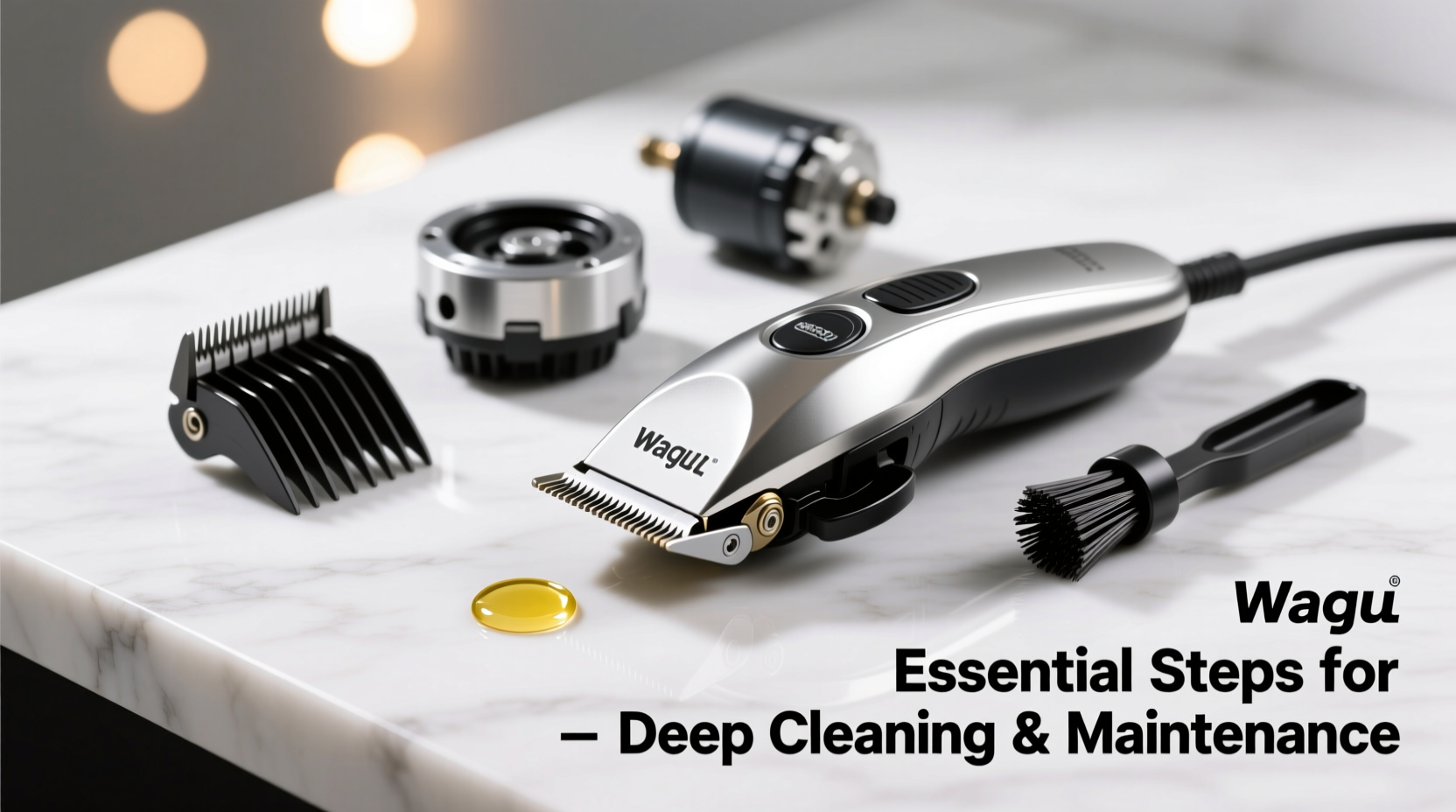
Clippers operate in high-friction environments. Each use deposits hair fragments, skin oils, and product residue between the blades and along the housing. Over time, this debris hardens, increasing resistance and heat during operation. This leads to inconsistent cutting, increased wear on the motor, and potential bacterial growth—especially problematic in salon settings.
Regular surface wiping isn't enough. Deep cleaning removes embedded grime and restores airflow around the motor, preventing overheating. It also preserves blade alignment and sharpness, which directly impacts cutting accuracy. According to industry technician Mark Reynolds, “A well-maintained Wahl clipper can last over a decade. But neglect it for just six months, and you’ll see performance drop by 40%.”
“Consistent deep cleaning and lubrication aren’t optional—they’re part of the tool’s operational design.” — Mark Reynolds, Professional Clipper Technician
Step-by-Step Guide: Deep Cleaning Your Wahl Clippers
A thorough cleaning should be performed every 15–20 uses or monthly for frequent users. Follow this timeline to ensure no step is missed:
- Unplug or remove battery – Safety first. Never clean an energized device.
- Detach the blade assembly – Most Wahl models allow quick-release removal via a lever or screw.
- Brush off loose debris – Use a clipper brush or soft toothbrush to dislodge hair from the blade teeth and housing.
- Soak blades in cleaning solution – Use a dedicated blade cleaner or isopropyl alcohol (70% or higher) for 5–10 minutes.
- Clean the clipper body – Wipe down with a lint-free cloth dampened with alcohol. Avoid soaking electronic parts.
- Use a cleaning pick or compressed air – Clear debris from crevices, vents, and around the motor guard.
- Dry all components completely – Air-dry for at least 15 minutes; never reassemble while damp.
- Reattach the blade and lubricate – Apply 2–3 drops of clipper oil along the blade track before reassembly.
- Run the clipper briefly – Let it run for 10–15 seconds to distribute oil and check for smooth operation.
Maintenance Checklist for Peak Performance
To keep your clippers running smoothly between deep cleans, follow this weekly maintenance checklist:
- ✅ Brush blades after each use
- ✅ Apply 1–2 drops of clipper oil before and after use
- ✅ Inspect for blade misalignment or nicks
- ✅ Check cord integrity (if applicable)
- ✅ Store in a dry, dust-free case
- ✅ Run a test trim monthly to assess cutting consistency
This routine prevents gunk buildup and ensures consistent lubrication—two leading causes of premature failure.
Do’s and Don’ts of Clipper Care
| Do’s | Don’ts |
|---|---|
| Use Wahl-specific clipper oil | Use household oils (e.g., vegetable or motor oil) |
| Clean blades with isopropyl alcohol | Submerge the entire clipper in liquid |
| Store in a ventilated, dry area | Leave in humid bathrooms or near sinks |
| Replace blades when dull or chipped | Continue using damaged blades that tug hair |
| Sharpen blades professionally every 6–12 months | Attempt DIY sharpening with improper tools |
Following these guidelines protects both performance and user safety. Using improper lubricants, for example, can gum up the mechanism or attract more debris.
Real-World Example: The Barber Who Skipped Maintenance
Jamal, a mobile barber in Chicago, used his Wahl Magic Clip daily for two years without deep cleaning. He wiped the blades occasionally but skipped oiling and internal cleaning. By month 18, clients reported tugging and uneven fades. The motor began overheating mid-cut. After inspection, a repair technician found packed hair around the motor fan, corroded contacts, and severely worn blades due to lack of lubrication. The total repair cost was $65—more than half the price of a new unit. Worse, he lost three regular clients due to inconsistent service.
After adopting a strict cleaning schedule, Jamal now reports smoother cuts, fewer callbacks, and zero mechanical issues in the past eight months. “I treat my clippers like my car,” he says. “Oil changes, tune-ups, and regular washes keep them running.”
When to Replace vs. Repair
Even with perfect care, components wear out. Knowing when to replace parts—or the entire unit—is crucial.
Blades typically last 6–18 months with regular use and maintenance. Signs they need replacing include visible nicks, rust spots, persistent tugging, or inability to achieve a close cut even after oiling. Wahl offers replacement blades for most models, often at a fraction of the cost of a new clipper.
The motor, if maintained properly, can last 5–10 years. If the clipper vibrates excessively, emits burning smells, or fails to start despite charging or plugging in, professional assessment is recommended. In some cases, a simple carbon brush replacement can restore function.
Frequently Asked Questions
How often should I oil my Wahl clippers?
Apply 1–2 drops of clipper oil before and after each use. For occasional users, oiling before every use and performing a deep clean monthly is sufficient.
Can I use water to clean the blades?
No. Water promotes rust, especially on carbon steel blades. Always use isopropyl alcohol or a commercial blade cleaner designed for clippers.
Is it safe to sharpen Wahl blades at home?
DIY sharpening is not recommended. Improper techniques can ruin the blade’s factory edge. Send blades to a professional sharpening service or replace them when dull.
Conclusion: Treat Your Clippers Like Precision Instruments
Your Wahl clippers are precision tools engineered for consistent, reliable performance. But like any mechanical device, they demand respect and routine care. Deep cleaning removes harmful debris, lubrication reduces friction, and proper storage prevents environmental damage. These steps aren’t time-consuming—just intentional.
By integrating these practices into your grooming workflow, you protect your investment, ensure client or personal satisfaction, and avoid unnecessary repairs. A few minutes of maintenance today can save hours of frustration tomorrow.




 浙公网安备
33010002000092号
浙公网安备
33010002000092号 浙B2-20120091-4
Comments
No comments yet. Why don't you start the discussion?