
Coffee tables are central to most living rooms—they anchor the space, serve as a functional surface for drinks, books, and decor, and often bear the brunt of daily wear. Over time, even careful use can lead to unsightly scratches from keys, pet claws, or sliding objects. While refinishing is an option, prevention is far more effective and economical. With a few strategic habits and simple DIY solutions, you can keep your coffee table looking pristine for years.
Understand Your Table’s Surface Material
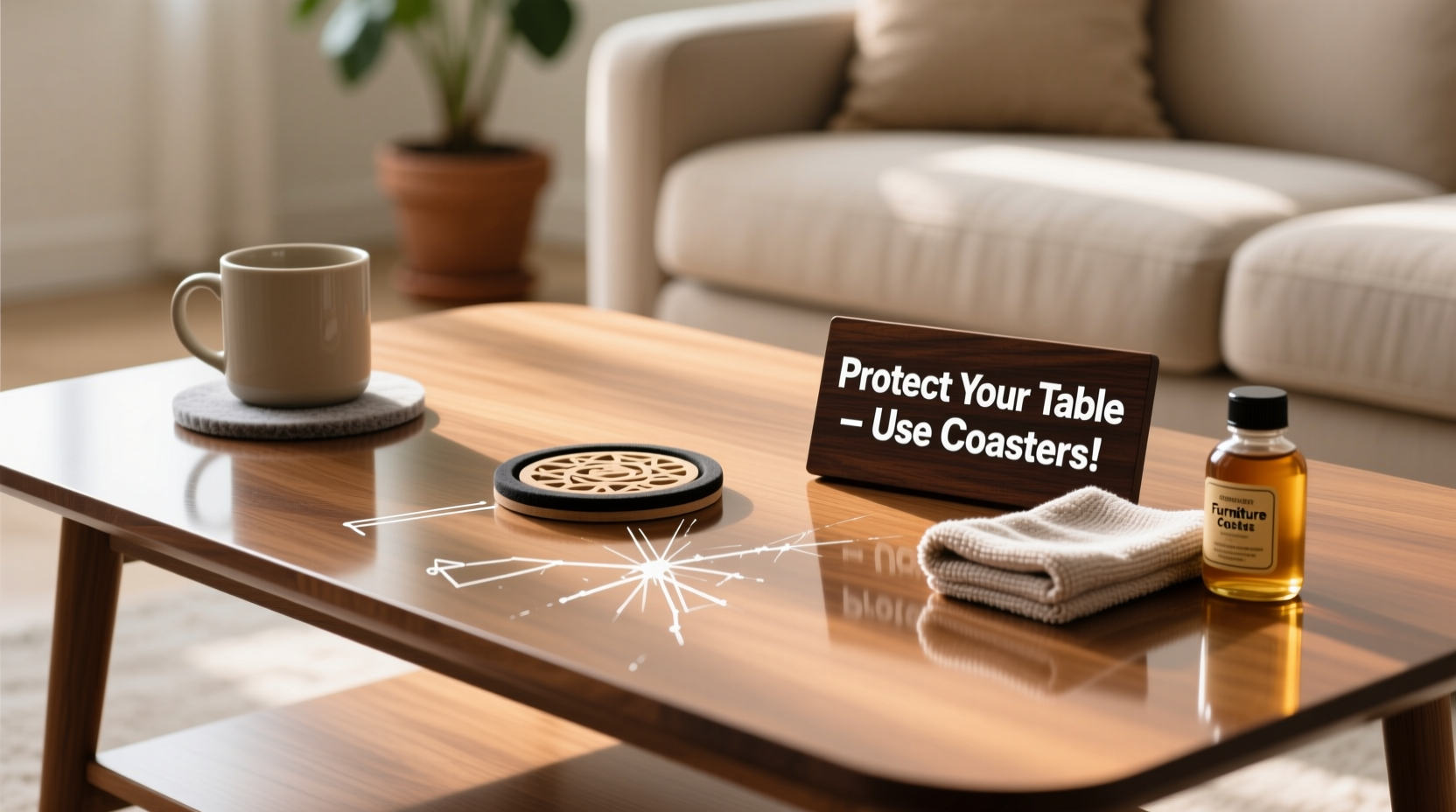
The first step in protecting your coffee table is knowing what it’s made of. Different materials react differently to cleaning agents, heat, and abrasion. Common types include:
- Wood (solid or veneer): Prone to scratches and moisture damage; benefits from waxing and coasters.
- Glass: Resists stains but shows fingerprints and can chip or scratch under heavy impact.
- Metal (often used in frames or tops): Susceptible to scuffing and oxidation if not sealed properly.
- Marble or stone: Elegant but porous; can etch from acidic spills and scratch from sharp objects.
- Laminate: Durable but vulnerable to deep gouges and peeling at edges.
Knowing your material helps you choose the right protection strategy. For example, wood responds well to natural waxes, while glass benefits most from felt pads and mindful placement of objects.
Top 5 Preventative Measures to Avoid Scratches
Prevention doesn’t have to be complicated. These five practical steps form the foundation of long-term surface care.
- Use Coasters and Placemats: Always place hot mugs, glasses, or plates on protective layers. Even condensation can degrade finishes over time.
- Attach Felt Pads Under Objects: Apply self-adhesive felt pads to the bottom of lamps, photo frames, vases, and remotes. This creates a soft buffer between hard surfaces.
- Trim Pet Nails Regularly: Pets jumping onto or near the table can cause deep scratches. Keeping nails trimmed reduces risk significantly.
- Avoid Dragging Items Across the Surface: Lift decorative bowls or books instead of sliding them. Friction is a major cause of micro-scratches.
- Control Sunlight Exposure: UV rays can dry out wood finishes, making them brittle and more prone to scratching. Use curtains or blinds during peak sunlight hours.
Daily Habits That Make a Difference
Consistency matters. Wiping down the table nightly with a microfiber cloth removes dust particles that act like sandpaper when rubbed across the surface. Store remote controls and magazines in nearby baskets to reduce clutter and the temptation to toss items onto the table.
Diy Protective Hacks You Can Make at Home
You don’t need expensive products to safeguard your furniture. These DIY solutions are cost-effective, easy to implement, and surprisingly effective.
1. Homemade Wood Polish with Olive Oil and Lemon
Mix 1/4 cup olive oil with 1/8 cup white vinegar and a few drops of lemon juice. Dip a soft cloth into the mixture and apply in circular motions. This enhances the finish and fills minor blemishes, reducing the appearance of light scratches.
2. Custom-Fit Fabric Cover Using Scrap Material
Measure your table top and cut a piece of durable fabric (like cotton duck or linen) slightly larger than the surface. Hem the edges and secure with non-slip rug gripper dots underneath to prevent shifting. This adds texture to your room while shielding the surface.
3. Clear Contact Paper Shield
For high-use tables, especially in homes with children, clear adhesive shelf liner (available in matte or textured finishes) provides invisible protection. Cut to size, smooth out air bubbles with a credit card, and trim edges neatly. Replace annually or as needed.
Do’s and Don’ts: Protecting Your Coffee Table Surface
| Do’s | Don’ts |
|---|---|
| Use felt pads under all decorative items | Place hot pans or mugs directly on the surface |
| Clean spills immediately with a dry cloth | Use abrasive cleaners like steel wool or bleach |
| Lift objects instead of dragging them | Allow plants with damp saucers to sit unattended |
| Rotate decor regularly to prevent pressure marks | Ignore small chips or cracks—they worsen over time |
Real-Life Example: How Sarah Saved Her Heirloom Table
Sarah inherited a walnut coffee table from her grandmother. Within months of moving into her new apartment, she noticed fine scratches forming near the edges—likely from her cat and frequent use by guests. Instead of refinishing, she decided to take preventive action.
She applied felt pads to the legs of her table lamp and decorative tray, started using a linen table cover when entertaining, and trained her cat to use a nearby scratching post by placing treats there daily. She also began using the olive oil-lemon polish monthly. After six months, not only had no new scratches appeared, but the existing ones were less visible due to the refreshed finish.
“It wasn’t about perfection,” Sarah said. “It was about respecting the table’s role in my home and giving it a little attention each week.”
“Surface protection isn’t just about looks—it’s about preserving value and function. A scratched table loses both appeal and resale worth.” — Daniel Park, Furniture Restoration Specialist
Step-by-Step Weekly Maintenance Routine
Follow this simple weekly plan to keep your coffee table in top condition:
- Day 1 – Dust and Inspect: Wipe the entire surface with a dry microfiber cloth. Check for loose felt pads or signs of wear.
- Day 3 – Spot Clean: If spills occurred, clean with a slightly damp cloth followed by a dry one. Never soak the surface.
- Day 5 – Rearrange Decor: Move vases, books, and trays to different spots to prevent indentations and uneven fading.
- Day 7 – Refresh Protection: Reapply polish (for wood), check contact paper edges, or vacuum under fabric covers.
This routine takes less than ten minutes per week but significantly extends the life of your table.
Frequently Asked Questions
Can I use toothpaste to fix scratches?
Toothpaste is mildly abrasive and may temporarily minimize very fine surface marks on glossy finishes, but it’s not recommended for wood or delicate surfaces. It can leave residue or dull the finish over time. Stick to appropriate polishes or touch-up pens designed for furniture.
How do I protect a glass coffee table from scratches?
Apply transparent silicone edge guards or use a tempered glass protector cut to size. Avoid placing metal-framed books or keys directly on the surface. Clean with a vinegar-water solution (1:1) and dry with a lint-free cloth to prevent mineral buildup that attracts scratches.
Are plastic tablecloths a good idea?
No. Most plastic tablecloths trap moisture and create condensation underneath, which can warp wood or delaminate surfaces. They also slide easily, increasing friction. Opt for breathable fabrics or custom-cut acrylic shields instead.
Final Thoughts: Small Actions, Lasting Results
Protecting your coffee table from scratches doesn’t require drastic changes—just mindful habits and a bit of proactive care. Whether you choose DIY solutions like homemade polish or invest in simple accessories like felt pads and protective liners, each step contributes to preserving both beauty and functionality.
Your coffee table is more than furniture; it’s where conversations happen, books are read, and memories unfold. By taking a few minutes each week to care for it, you ensure it remains a centerpiece for years to come.




 浙公网安备
33010002000092号
浙公网安备
33010002000092号 浙B2-20120091-4
Comments
No comments yet. Why don't you start the discussion?