
Canvas boots are a staple in many wardrobes—versatile, breathable, and often stylish enough to transition from casual outings to light workwear. However, despite their durability, canvas is a natural fabric that requires consistent care to resist wear, stains, and environmental damage. Without proper maintenance, canvas boots can fade, develop odors, lose shape, or even degrade prematurely. Fortunately, with the right techniques, you can preserve their appearance and functionality for years. This guide outlines essential, practical steps to keep your canvas boots looking fresh and performing well.
Understanding Canvas Material and Its Vulnerabilities
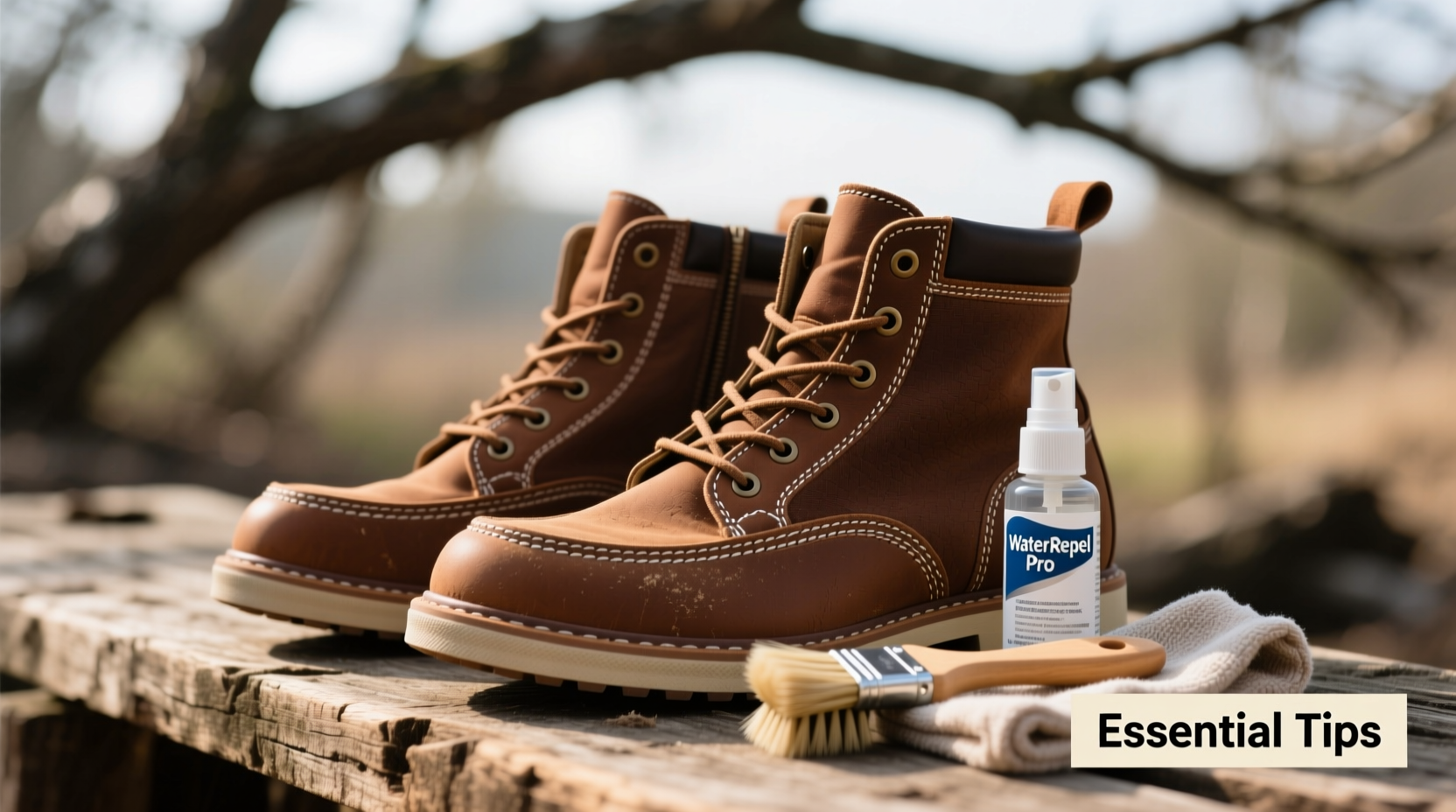
Canvas is typically made from tightly woven cotton or a cotton-polyester blend. While it’s strong and breathable, it lacks inherent water resistance and is prone to absorbing moisture, dirt, and oils. Unlike leather, which can be conditioned and polished, canvas fibers can weaken when exposed to repeated wet-dry cycles or harsh chemicals. Mold, mildew, and fading are common issues if boots aren’t cleaned and stored properly.
Additionally, the rubber soles and stitching on canvas boots can deteriorate over time, especially when exposed to UV rays or extreme temperatures. Recognizing these vulnerabilities allows you to take preventive measures before visible damage occurs.
Step-by-Step Cleaning Routine for Canvas Boots
Regular cleaning prevents dirt buildup, which can grind into fibers and cause abrasion over time. A simple but effective cleaning schedule helps maintain both appearance and hygiene.
- Remove laces and insoles: Take out the laces and removable insoles to clean them separately. Laces can be hand-washed or replaced if worn.
- Dry brush first: Use a soft-bristle brush (like an old toothbrush) to remove loose dirt and debris from the surface and tread.
- Spot clean stains: Mix a small amount of mild detergent with cool water. Dip the brush into the solution and gently scrub stained areas in circular motions.
- Avoid soaking: Never submerge canvas boots in water. Excessive moisture weakens glue bonds and causes shrinkage or warping.
- Rinse lightly: Dampen a clean cloth with plain water and wipe away soap residue.
- Air dry thoroughly: Place boots in a well-ventilated area away from direct heat or sunlight. Stuff them with newspaper to absorb moisture and help retain shape.
For machine washing, only do so as a last resort—and only if the manufacturer’s label permits it. Use a gentle cycle with cold water and place boots in a pillowcase to reduce agitation. Always air dry afterward.
Do’s and Don’ts of Canvas Boot Maintenance
| Do’s | Don’ts |
|---|---|
| Wipe down after each use if visibly dirty | Use bleach or strong detergents |
| Treat with fabric protector spray every 4–6 weeks | Put boots in the dryer or near radiators |
| Rotate wear to allow ventilation between uses | Store in damp or dark closets long-term |
| Reapply waterproofing after deep cleaning | Ignore fraying seams or sole separation |
| Use odor-absorbing insoles or baking soda | Scrub aggressively with stiff brushes |
Protecting and Preserving Your Canvas Boots
Prevention is more effective than restoration. Applying protective treatments significantly enhances resistance to water, stains, and UV degradation.
Use a silicone-free fabric protector spray formulated for canvas or textiles. Hold the can 15–20 cm away and apply evenly in a well-ventilated area. Allow 24 hours to dry completely before wearing. Reapply every few weeks, especially if boots are used frequently outdoors.
To combat odor, sprinkle a small amount of baking soda inside the boots overnight and shake it out in the morning. Alternatively, use cedar inserts or activated charcoal bags to absorb moisture and neutralize smells naturally.
“Most people underestimate how much daily exposure to dust and humidity affects canvas. A little protection goes a long way in preserving structural integrity.” — Daniel Reyes, Footwear Restoration Specialist
Real-Life Example: Extending Boot Life Through Consistent Care
Consider Mark, a landscaper who wears canvas boots five days a week. Initially, his boots would become stained, smelly, and misshapen within three months. After adopting a routine—brushing off mud daily, wiping with a damp cloth weekly, and using a fabric protector monthly—his boots lasted over 18 months without significant wear. He also kept a spare pair to rotate, allowing each to fully dry between uses. This small shift in habit nearly quadrupled the usable life of his footwear, saving him money and reducing waste.
This case illustrates that longevity isn’t just about material quality—it’s about consistent, mindful maintenance.
Storage Tips to Prevent Long-Term Damage
How you store your canvas boots when not in use plays a crucial role in their preservation. Poor storage leads to creasing, mold growth, and permanent odor retention.
- Always ensure boots are completely dry before storing.
- Stuff them with acid-free tissue paper or shoe trees to maintain shape.
- Store in a cool, dry closet with good airflow—avoid plastic bins that trap moisture.
- If possible, keep them in breathable cotton shoe bags to protect from dust.
- Never stack heavy items on top of stored boots, as this can crush the toe box and break down internal structure.
Frequently Asked Questions
Can I wash canvas boots in a washing machine?
You can, but only if the care label explicitly allows it. Even then, it's risky. Machine agitation can damage stitching and soles. Hand cleaning is always safer and more effective for maintaining boot integrity.
How often should I reapply waterproofing spray?
Every 4 to 6 weeks with regular use. If you notice water no longer beads on the surface, it’s time to reapply. After any deep cleaning, always re-treat the fabric to restore protection.
Why are my canvas boots turning yellow?
Yellowing is often caused by oxidation from exposure to sunlight, improper drying (e.g., near heaters), or residue from cleaning products. To minimize this, dry boots in the shade and avoid chlorine-based cleaners.
Final Checklist for Canvas Boot Care
- Inspect boots weekly for stains, wear, or loose stitching.
- Brush off dirt after each wear.
- Clean gently with mild soap and water as needed.
- Apply fabric protector every 4–6 weeks.
- Air dry completely before reuse or storage.
- Store in a dry, ventilated space with shoe forms.
- Rotate between multiple pairs to reduce strain and moisture buildup.
Conclusion
Caring for canvas boots doesn’t require expensive products or complicated rituals. It demands consistency, attention to detail, and respect for the material’s natural limitations. By integrating simple habits like prompt cleaning, protective spraying, and proper storage, you dramatically extend the life of your footwear while keeping them comfortable and presentable.
Every minute spent maintaining your boots saves dollars and resources in the long run. Start today—your future self will appreciate the effort when your favorite pair still looks and feels great years down the road.




 浙公网安备
33010002000092号
浙公网安备
33010002000092号 浙B2-20120091-4
Comments
No comments yet. Why don't you start the discussion?