
Metal earrings are a staple in any jewelry collection—versatile, timeless, and capable of elevating even the simplest outfit. But over time, exposure to air, moisture, and skin oils can dull their shine, cause tarnish, or weaken delicate components. Without proper care, even high-quality pieces can lose their luster prematurely. The good news? With consistent, thoughtful maintenance, you can preserve their brilliance for years. This guide covers practical, expert-backed methods to clean and care for metal earrings, ensuring they remain as radiant as the day you bought them.
Understanding Your Earring Metal Type
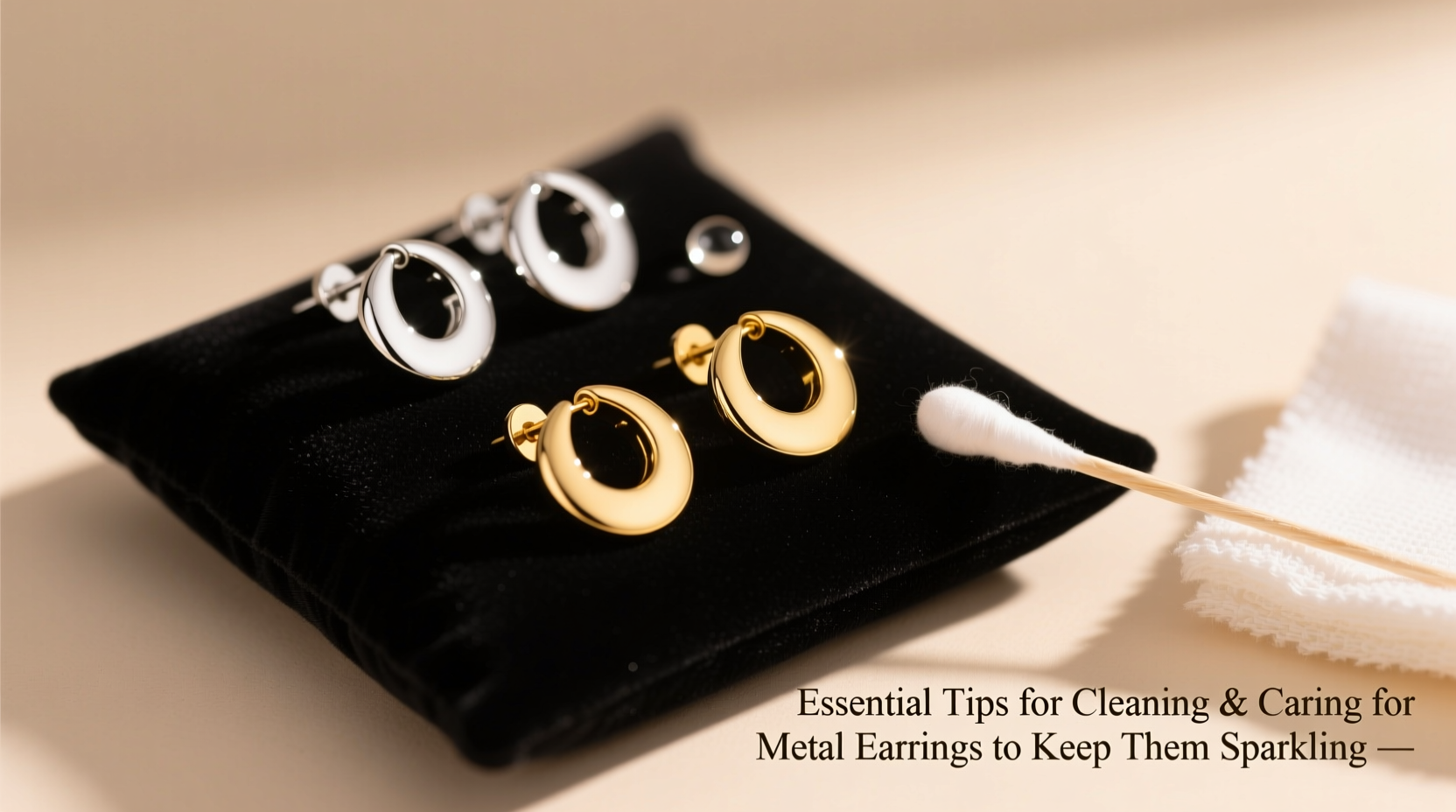
Not all metals react the same way to environmental factors or cleaning methods. Knowing what your earrings are made of is the first step toward effective care. Common metals used in earring manufacturing include sterling silver, gold (solid and plated), stainless steel, titanium, and brass. Each has unique properties that dictate how it should be cleaned and stored.
Sterling silver, for example, is prone to tarnishing due to its copper content reacting with sulfur in the air. Gold resists corrosion but can still accumulate grime, especially in crevices. Gold-plated earrings require extra caution because abrasive cleaners can wear away the thin outer layer, exposing the base metal underneath. Stainless steel and titanium are more durable and resistant to corrosion, making them ideal for sensitive ears and low-maintenance wearers.
“Many people assume all shiny metals are treated the same, but using the wrong cleaner on gold-plated or silver earrings can do irreversible damage.” — Lena Torres, Jewelry Restoration Specialist
Step-by-Step Guide to Safely Clean Metal Earrings
Cleaning metal earrings doesn’t require expensive products or tools. Most effective cleaning can be done at home with gentle ingredients and a soft touch. Follow this six-step process to restore sparkle without risking damage.
- Remove debris gently: Use a soft-bristled toothbrush (preferably designated for jewelry) to dislodge dust and buildup from crevices, backs, and posts.
- Prepare a mild cleaning solution: Mix a few drops of non-ammonia dish soap with warm water in a small bowl.
- Soak for 5–10 minutes: Submerge the earrings to loosen oils and residue. Avoid prolonged soaking, especially for plated or porous metals.
- Light scrubbing: Gently brush again with the toothbrush, focusing on hard-to-reach areas like screw backs or intricate designs.
- Rinse thoroughly: Hold under lukewarm running water to remove soap residue. Do not use hot water, which may weaken adhesives or settings.
- Dry completely: Pat dry with a lint-free microfiber cloth. Air drying can lead to water spots or encourage tarnish on silver.
For stubborn tarnish on sterling silver, consider a paste made of baking soda and water (two parts soda to one part water). Apply with a cotton swab, gently rub, then rinse and dry immediately. Never use toothpaste—it’s too abrasive and can scratch softer metals.
Do’s and Don’ts: Best Practices for Metal Earring Care
Avoiding common mistakes is just as important as following proper cleaning routines. The table below outlines key dos and don’ts based on metal type and general jewelry hygiene.
| Action | Do | Don't |
|---|---|---|
| Cleaning Frequency | Clean every 2–3 weeks with regular wear | Wait until visible dirt or discoloration appears |
| Cleaning Solution | Mild dish soap and warm water | Bleach, ammonia, or alcohol-based cleaners |
| Drying Method | Pat dry with microfiber cloth | Leave to air dry on a towel |
| Storage | Use individual pouches or a lined jewelry box | Store loose in a drawer where they can tangle or scratch |
| Wearing Habits | Put on after applying makeup, perfume, and hairspray | Wear while swimming, showering, or exercising |
Proper Storage to Prevent Tarnish and Damage
How you store your earrings when not in use plays a major role in preserving their condition. Exposure to humidity, air pollution, and physical contact with other jewelry can accelerate tarnishing and cause scratches.
Invest in a jewelry box with compartments or fabric-lined slots to keep pairs separated. For added protection against tarnish, place a silica gel packet or anti-tarnish strip inside the storage container. These absorb moisture and neutralize sulfur compounds in the air. If traveling, use a rigid earring holder or pill case with dividers to prevent bending or loss.
Real Example: Reviving Heirloom Silver Studs
Sarah inherited a pair of vintage sterling silver studs from her grandmother. Though beautiful, they had darkened significantly over decades of infrequent use and improper storage in a humid bathroom drawer. After researching safe methods, she followed the gentle soap-and-water cleaning process, using a soft brush to reach behind the stones. She then applied a baking soda paste only to the most tarnished areas, rinsed carefully, and dried with a microfiber cloth. The result? A dramatic restoration of shine without damaging the delicate filigree work. Sarah now stores them in a sealed pouch inside her bedroom jewelry box and cleans them monthly, ensuring they’ll last for future generations.
Essential Care Checklist
Stay on top of earring maintenance with this simple weekly and monthly checklist:
- ✅ Remove earrings before washing face, showering, or applying skincare products
- ✅ Wipe gently with a dry microfiber cloth after each wear
- ✅ Inspect posts and backs for looseness or corrosion
- ✅ Clean with mild soapy water every 2–3 weeks
- ✅ Store in a dry, cool place away from direct sunlight
- ✅ Deep clean silver pieces monthly to prevent heavy tarnish buildup
- ✅ Rotate earring styles to reduce wear on single pairs
Frequently Asked Questions
Can I use rubbing alcohol to clean metal earrings?
While rubbing alcohol can disinfect, it’s not recommended for routine cleaning. It can dry out rubber backings, degrade adhesives in composite pieces, and leave a filmy residue on some metals. Stick to mild soap and water for safest results.
How often should I professionally clean my metal earrings?
For everyday wearers, a professional ultrasonic cleaning once a year is sufficient. This is especially beneficial for detailed designs or gemstone-set pieces that are difficult to clean at home. However, avoid ultrasonic cleaners for antique, plated, or fragile earrings unless approved by a jeweler.
Why do my gold-plated earrings tarnish so quickly?
Gold plating is a thin layer over base metal. Frequent exposure to sweat, lotions, and friction can wear it down, exposing the underlying metal—which may oxidize or discolor. To extend lifespan, minimize contact with chemicals and store separately to prevent scratching.
Final Thoughts: Make Care a Habit, Not a Chore
Beautiful earrings deserve more than occasional attention. Integrating simple cleaning habits into your routine protects your investment and keeps your accessories looking polished and intentional. Whether you own delicate gold hoops or minimalist titanium studs, consistent care ensures they continue to complement your style with confidence and sparkle.




 浙公网安备
33010002000092号
浙公网安备
33010002000092号 浙B2-20120091-4
Comments
No comments yet. Why don't you start the discussion?