
Metal bracelet sets are more than just accessories—they’re expressions of personal style, often worn daily and passed down through generations. Whether crafted from stainless steel, silver, gold, or titanium, these pieces require consistent care to maintain their luster and structural integrity. Without proper maintenance, metal bracelets can tarnish, scratch, or weaken over time, diminishing both appearance and value. Understanding the right cleaning methods, storage practices, and wear habits ensures your collection remains radiant and durable for years.
Understanding Your Metal Type
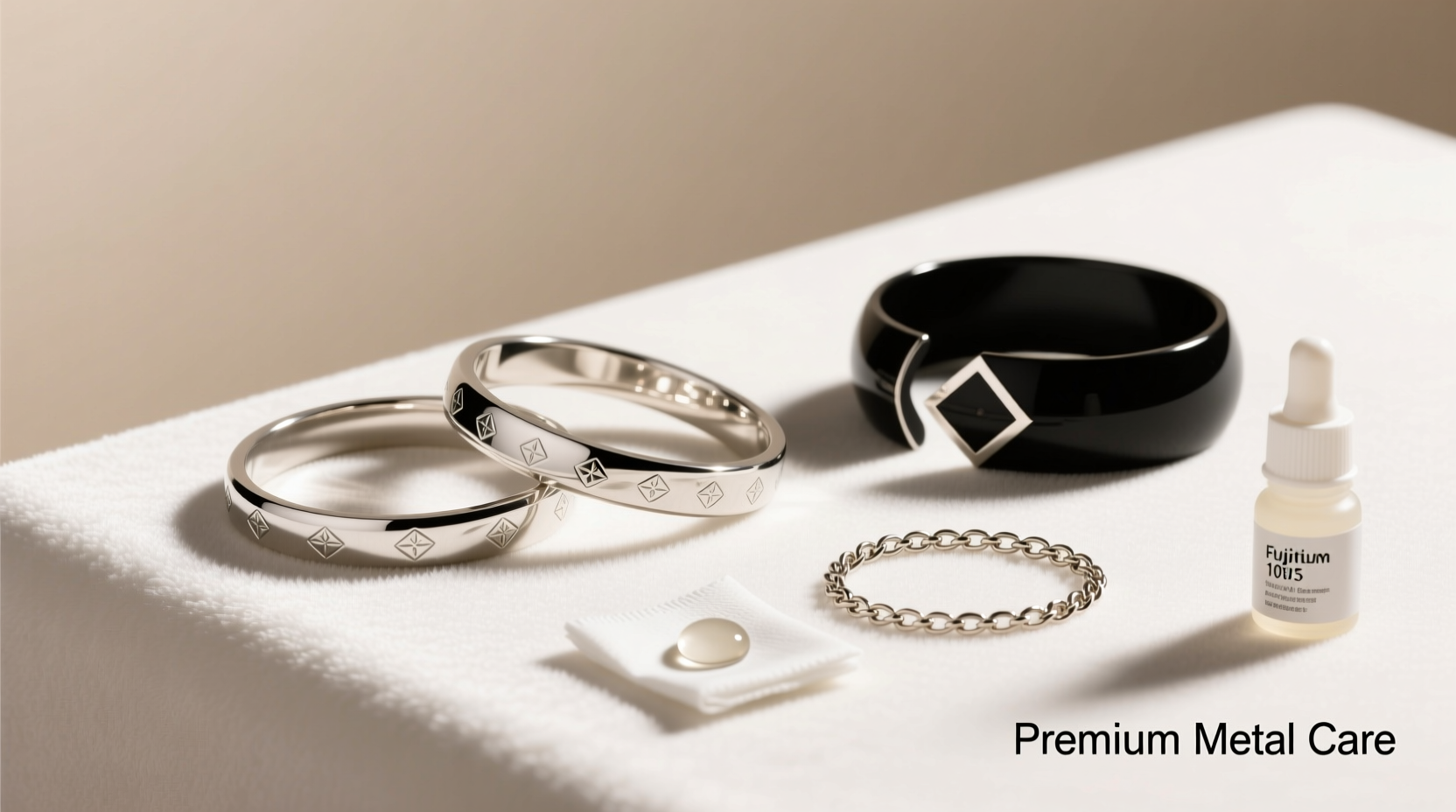
Not all metals react the same way to environmental factors or cleaning agents. Knowing the composition of your bracelet set is the first step in effective care. Common metals used in bracelets include sterling silver, stainless steel, gold (solid or plated), brass, and titanium. Each has unique properties that influence how it should be handled.
Sterling silver, for example, is prone to tarnishing when exposed to air and moisture due to its copper content. Stainless steel resists corrosion but can still scratch. Gold-plated bracelets have a thin layer over base metal, making them vulnerable to abrasion. Brass oxidizes quickly if not protected. Recognizing these differences allows you to tailor your maintenance routine appropriately.
“Metal jewelry doesn’t degrade overnight, but neglect accelerates wear. A little attention goes a long way.” — Lena Patel, Master Jeweler & Restoration Specialist
Daily Care Practices to Prevent Damage
Everyday wear exposes metal bracelets to sweat, lotions, perfumes, and household chemicals—all of which can erode finishes and cause discoloration. To minimize exposure:
- Remove bracelets before showering, swimming, or applying cosmetics.
- Avoid wearing them during intense physical activity where impact or friction may occur.
- Wipe gently with a soft cloth after each use to remove oils and residue.
Regular inspection is also critical. Check clasps, links, and connectors weekly for signs of loosening or stress. A broken clasp not only risks loss but can also indicate underlying fatigue in the metal structure.
Step-by-Step Guide to Cleaning Metal Bracelets
Cleaning frequency depends on usage, but a general rule is to clean every 3–4 weeks for regular wearers. Over-cleaning can strip protective coatings, especially on plated or polished surfaces, so moderation is key.
- Prepare your tools: Use a microfiber cloth, mild dish soap, lukewarm water, and a soft-bristled toothbrush (preferably unused).
- Soak briefly: Submerge the bracelet in soapy water for no more than 5 minutes. Avoid prolonged soaking, especially for pieces with stones or glued components.
- Scrub gently: Use the toothbrush to reach crevices and textured areas. Focus on joints and underlinks where grime accumulates.
- Rinse thoroughly: Rinse under lukewarm running water to remove soap residue.
- Dry completely: Pat dry with a lint-free cloth and air-dry flat for 10–15 minutes before storing.
For heavily tarnished silver, consider using a specialized silver polishing cloth. These contain microscopic abrasives that remove oxidation without damaging the surface. Avoid liquid dips for antique or engraved pieces, as they may dull fine details.
Proper Storage Solutions
How you store your metal bracelet set determines much of its long-term condition. Tossing multiple bracelets into a drawer leads to scratching, tangling, and accelerated tarnishing. Instead, adopt organized storage methods.
| Storage Method | Best For | Why It Works |
|---|---|---|
| Jewelry Box with Compartments | All metal types | Prevents contact between pieces, reducing scratches and tangles. |
| Fabric-Lined Pouches | Silver, gold, plated metals | Soft interior protects delicate finishes; blocks air exposure. |
| Hanging Organizer with Hooks | Bulkier or linked designs | Keeps shape intact and allows airflow without crowding. |
| Airtight Container with Anti-Tarnish Strip | Sterling silver, brass | Slows oxidation by limiting humidity and sulfur exposure. |
Store in a cool, dry place away from direct sunlight. Heat and UV rays can accelerate tarnishing and weaken adhesives in composite pieces.
Common Mistakes That Shorten Bracelet Lifespan
Even well-intentioned owners make errors that compromise their jewelry. Awareness of these pitfalls helps avoid irreversible damage.
- Using harsh cleaners: Bleach, ammonia, and abrasive pastes corrode metals and strip plating.
- Ignoring moisture: Showering or swimming with bracelets invites chlorine and saltwater damage.
- Stacking without protection: Wearing multiple metal bracelets without spacing increases friction and micro-scratches.
- Skipping inspections: Loose links or weakened clasps go unnoticed until failure occurs.
“Most repairs I see could have been prevented with monthly checks and proper drying after cleaning.” — Carlos Mendez, Jewelry Repair Technician
Mini Case Study: Reviving a Heirloom Silver Set
Sarah inherited a vintage sterling silver bracelet set from her grandmother. Though beautiful, the pieces were darkened and stiff from decades of improper storage in a humid bathroom cabinet. She avoided commercial dips, fearing damage to the intricate filigree work. Instead, she followed a careful restoration process: gentle washing with mild soap, meticulous drying, and gradual buffing with a silver polishing cloth. Afterward, she stored each bracelet in individual fabric pouches inside an airtight container with anti-tarnish strips. Within weeks, the set regained its original brilliance. More importantly, Sarah now cleans and inspects them quarterly, ensuring they remain in excellent condition for future generations.
Checklist: Monthly Maintenance Routine
To keep your metal bracelet sets in peak condition, follow this simple monthly checklist:
- ☐ Inspect clasps and links for looseness or deformation.
- ☐ Clean with mild soap and soft brush; rinse and dry thoroughly.
- ☐ Polish lightly if needed (use appropriate cloth for metal type).
- ☐ Check storage environment—ensure it’s dry and free from direct light.
- ☐ Rotate wear schedule to reduce strain on any single piece.
FAQ
Can I use toothpaste to clean my metal bracelets?
While some people use non-gel toothpaste as a DIY cleaner, it’s not recommended. Most toothpastes are mildly abrasive and can leave fine scratches, especially on softer metals like silver or gold. Stick to professional jewelry cleaners or mild soap solutions instead.
How do I prevent my gold-plated bracelets from fading?
Avoid exposure to water, sweat, and chemicals. Remove them before washing hands or exercising. Store separately in a soft pouch to prevent rubbing. With careful use, gold-plated pieces can retain their finish for several years.
Is it safe to ultrasonically clean metal bracelets?
Ultrasonic cleaners work well for solid gold, platinum, and stainless steel—but only if the piece has no stones, soldering weaknesses, or plating. They can loosen settings or damage layered metals. When in doubt, consult a jeweler before using.
Conclusion
Caring for metal bracelet sets isn’t about perfection—it’s about consistency. Small habits like wiping after wear, storing properly, and cleaning mindfully compound over time into lasting beauty and resilience. These accessories carry meaning, memory, and craftsmanship worth preserving. By applying these essential tips, you protect not just the metal, but the stories woven into each link and clasp.




 浙公网安备
33010002000092号
浙公网安备
33010002000092号 浙B2-20120091-4
Comments
No comments yet. Why don't you start the discussion?