
Stretch fabric sock shoes have redefined comfort and convenience in modern footwear. With their seamless design, flexible fit, and lightweight construction, they’ve become a favorite for casual wear, travel, and even athletic activities. However, their innovative materials require specific care to maintain elasticity, shape, and hygiene. Unlike traditional leather or synthetic shoes, stretch fabric uppers are more vulnerable to moisture retention, odor buildup, and fiber fatigue. Without proper maintenance, these shoes can lose their snug fit, develop permanent creases, or degrade prematurely. The good news is that with consistent, thoughtful care, you can extend their lifespan significantly—keeping them comfortable, fresh, and functional for years.
Understand Your Material: Why Stretch Fabric Needs Special Care
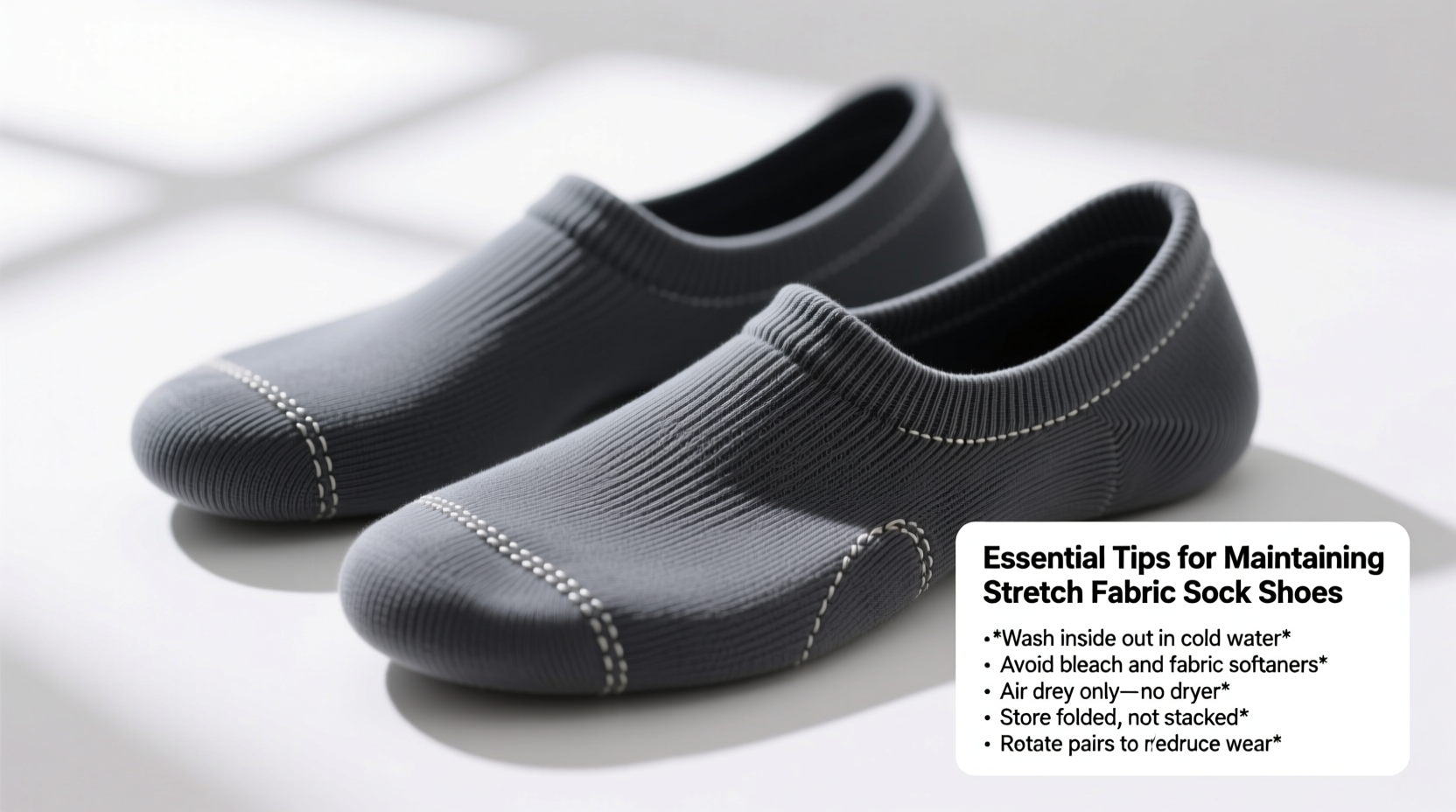
Most stretch fabric sock shoes use a blend of spandex, polyester, nylon, and sometimes cotton or Tencel. These materials offer flexibility and breathability but are sensitive to heat, friction, and improper cleaning. The knit structure allows for expansion and contraction, mimicking a second skin—but repeated stress without recovery time leads to permanent stretching. Additionally, the lack of rigid support means the shoe relies heavily on the integrity of its fabric. Once fibers break down, the shoe loses its form and support.
Unlike canvas or leather, stretch fabrics cannot withstand aggressive scrubbing or high-heat drying. Moisture trapped in the fibers encourages bacterial growth, leading to persistent odors. Furthermore, exposure to UV light or rough surfaces can accelerate pilling and abrasion. Recognizing these vulnerabilities is the first step toward effective maintenance.
“Stretch knit footwear performs best when treated like performance apparel—gentle washing, air drying, and rotation between wears.” — Dr. Lena Torres, Footwear Materials Scientist
Daily Maintenance Habits That Make a Difference
Longevity begins with daily practices. How you put on, wear, and store your sock shoes impacts their structural health more than occasional deep cleaning ever will.
- Avoid stepping on the heel: Crushing the heel counter deforms the internal structure. Always loosen the fit before removing the shoe.
- Wear moisture-wicking socks: Even if designed for barefoot wear, thin socks reduce sweat absorption and friction inside the shoe.
- Rotate your footwear: Wearing the same pair two days in a row doesn’t allow enough time for the fabric to recover its shape and release moisture.
- Keep them away from direct sunlight: UV rays weaken synthetic fibers and fade colors. Never leave them on a sunlit windowsill or car dashboard.
Step-by-Step Guide: How to Clean Stretch Fabric Sock Shoes
Cleaning too often or too harshly damages elastic fibers. Follow this six-step process to clean effectively without compromising durability.
- Remove loose debris: Use a soft brush or dry cloth to wipe off surface dirt. Focus on seams and tread areas.
- Pretreat stains: Dab a small amount of mild detergent (like Woolite) mixed with water onto stained areas. Avoid rubbing.
- Hand wash only: Fill a basin with cool water and a capful of gentle detergent. Submerge shoes and gently agitate for 3–5 minutes.
- Rinse thoroughly: Hold under cool running water until no suds remain. Residual soap attracts dirt.
- Press out water: Do not wring. Instead, press between clean towels to remove excess moisture.
- Air dry completely: Place in a well-ventilated area, away from heat sources. Turn inside out if possible to speed drying.
Never machine wash or dry. Agitation breaks down spandex, and heat permanently sets wrinkles. Cleaning frequency should be every 3–4 weeks with regular use, or immediately after mud, rain, or intense sweating.
Storage Best Practices: Preserving Shape and Elasticity
Improper storage is a silent killer of sock shoe longevity. Crumpling them in a gym bag or tossing them under a bed leads to misshapen uppers and compressed midsoles.
| Do’s | Don’ts |
|---|---|
| Store in a breathable cotton bag or open shelf | Use plastic bins or sealed containers (traps moisture) |
| Keep in a cool, dry closet with stable temperature | Leave near radiators, heaters, or damp basements |
| Use shoe forms or rolled socks to maintain interior volume | Stack heavy items on top of them |
| Rotate pairs monthly if unused | Forget about them for months without airing out |
Mini Case Study: Recovering a Neglected Pair
Mark, a software developer, wore his stretch fabric sneakers daily for work-from-home routines. After eight months, they sagged at the ankle, smelled faintly sour, and showed pilling on the toes. He nearly discarded them—until he followed a structured rehab plan.
He hand-washed them with cold water and baby shampoo, then stuffed them with paper towels and let them dry for 48 hours in a shaded room. After drying, he applied a fabric refresher spray and stored them with cedar shoe inserts. Though not brand new, the shoes regained 80% of their original shape and freshness. Mark now rotates three pairs weekly and reports all are lasting far longer than his previous sneakers.
This case illustrates that even moderately damaged sock shoes can be revived with the right approach—proving that maintenance isn’t just preventive, but restorative.
Checklist: Monthly Care Routine
To keep your stretch fabric sock shoes in peak condition, follow this monthly checklist:
- ☐ Inspect for loose threads, pilling, or sole separation
- ☐ Perform a full hand wash if worn more than 8 times that month
- ☐ Deodorize with baking soda or specialized shoe spray
- ☐ Check fit elasticity—should hug foot without over-stretching
- ☐ Rotate into storage if replacing with a seasonal pair
- ☐ Air out in indirect sunlight for 20–30 minutes to inhibit bacteria
Frequently Asked Questions
Can I machine wash my stretch fabric sock shoes?
No. Machine agitation and spin cycles place excessive stress on knit fibers, leading to irreversible stretching and seam damage. Always opt for hand washing with cool water and mild detergent.
Why do my sock shoes smell even after washing?
Odors often persist due to trapped moisture in the insole or inadequate drying. Ensure shoes are completely dry before wearing or storing. Consider removable insoles that can be washed separately. Using antifungal sprays or activated charcoal inserts can also help control microbial growth.
How long should stretch fabric sock shoes last?
With proper care, expect 12 to 18 months of regular use. High-mileage wear (daily walking, gym use) may reduce lifespan to 8–10 months. Rotating multiple pairs and avoiding extreme conditions extends usability beyond two years in some cases.
Final Thoughts: Small Actions, Long-Term Results
The convenience of stretch fabric sock shoes doesn’t excuse neglect. Their performance depends on how well you preserve their engineered flexibility and breathability. Simple actions—like hand washing, proper drying, rotating usage, and mindful storage—compound over time into dramatically extended lifespans. Think of them not as disposable fashion items, but as technical garments for your feet. Treat them with the same respect you’d give to high-end activewear, and they’ll reward you with lasting comfort and reliability.




 浙公网安备
33010002000092号
浙公网安备
33010002000092号 浙B2-20120091-4
Comments
No comments yet. Why don't you start the discussion?