
Bathroom floor mats are more than just decorative accents—they serve a critical function in preventing slips, absorbing moisture, and protecting flooring from long-term water damage. Yet, despite their importance, many people overlook proper maintenance, leading to premature wear, mold growth, and unpleasant odors. With consistent care and smart habits, a high-quality bathroom mat can last years longer than expected. This guide covers practical, expert-backed strategies to keep your mat in top condition while maximizing safety, hygiene, and durability.
Choose the Right Material for Longevity
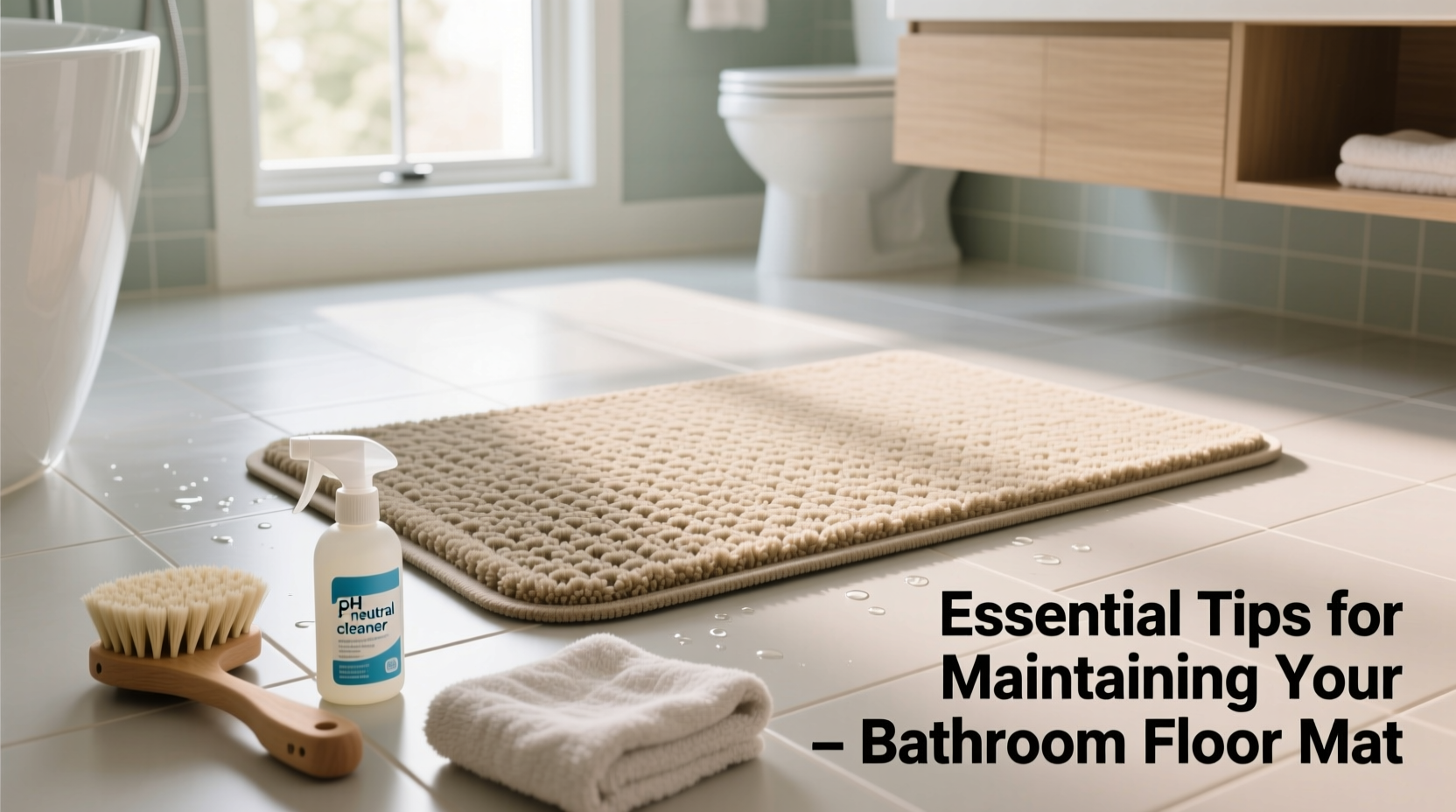
The lifespan of a bathroom floor mat begins with the material. Not all mats are created equal, and some perform better under constant exposure to moisture and foot traffic. Understanding the pros and cons of common materials helps you make an informed decision—and maintain it appropriately.
| Material | Pros | Cons | Lifespan (with care) |
|---|---|---|---|
| Cotton | Soft, absorbent, machine-washable | Retains moisture if not dried properly | 1–3 years |
| Microfiber | Highly absorbent, quick-drying, resists mildew | Can pill over time with frequent washing | 2–4 years |
| Rubber-backed | Non-slip, durable, easy to wipe down | Backing may degrade with harsh cleaners | 3–5 years |
| Bamboo fiber | Natural antimicrobial properties, eco-friendly | Less absorbent; requires special cleaning | 2–3 years |
| Synthetic memory foam | Plush comfort, excellent cushioning | Vulnerable to mold if left damp | 1–2 years (unless well-maintained) |
Selecting a mat with a non-porous backing and high absorbency ensures both comfort and resilience. For households with high bathroom usage, microfiber or rubber-backed mats offer the best balance of performance and longevity.
Establish a Daily Maintenance Routine
Daily care prevents the buildup of moisture, bacteria, and grime that accelerate deterioration. A few simple actions take less than a minute but significantly extend your mat’s usability.
- After each shower, shake out loose hair and debris.
- Flip the mat over once a day to allow both sides to dry evenly.
- Use a squeegee or towel to remove excess water from the surface.
- Ensure proper bathroom ventilation—run the exhaust fan during and for 15–20 minutes after use.
Keeping the mat elevated slightly off the floor—using a small rack or even folded edges—improves airflow and reduces contact with pooled moisture. This small adjustment prevents the underside from staying damp, which is a primary cause of mildew and odor.
“Moisture is the number one enemy of bathroom mats. Even high-quality materials break down quickly when constantly wet.” — Dr. Lena Patel, Indoor Environmental Specialist
Weekly Deep-Cleaning Protocol
A weekly cleaning routine removes embedded dirt, soap scum, and microbial growth that daily wiping can’t address. The method varies slightly depending on the material, but the following steps apply to most machine-washable mats.
- Pre-treat stains: Spot-clean visible marks with a paste of baking soda and water or a mild detergent.
- Shake or vacuum: Remove loose particles before washing to prevent clogging your machine.
- Wash gently: Use cold or warm water on a delicate cycle with mild, bleach-free detergent.
- Avoid fabric softeners: They coat fibers and reduce absorbency over time.
- Dry thoroughly: Air-dry flat or tumble dry on low heat. Never store a damp mat.
For non-machine-washable mats like rubber or vinyl, wipe with a solution of one part white vinegar to three parts water. Rinse with a damp cloth and dry completely. This natural disinfectant kills bacteria without degrading materials.
Common Mistakes That Shorten Mat Life
Even with good intentions, everyday habits can unknowingly damage your bathroom mat. Recognizing these pitfalls is the first step toward prevention.
- Leaving the mat bunched up: Trapped moisture breeds mold and weakens fibers.
- Using bleach regularly: Harsh chemicals break down dyes and fibers, especially in synthetic blends.
- Overloading the washing machine: Crowding prevents proper agitation and rinsing, leaving residue behind.
- Ignoring the backing: Mold often grows beneath the mat where it contacts the floor.
- Washing too infrequently: Weekly cleaning is ideal; going longer invites bacterial colonies.
One overlooked issue is placing a thick mat over a poorly draining floor. If water pools underneath, even the best mat will degrade rapidly. Ensure your bathroom floor slopes slightly toward the drain and check for cracks or sealant gaps around fixtures.
Real-Life Example: How One Household Doubled Their Mat’s Lifespan
The Thompson family used to replace their bathroom mat every six months due to persistent mildew and fraying edges. After consulting a home hygiene specialist, they implemented a few key changes: switching to a microfiber mat with a rubber base, flipping it daily, and instituting a Saturday morning wash-and-air routine. They also began using a small mesh drying rack to elevate the mat after showers.
Within three months, odors disappeared and the mat remained plush and vibrant. Two years later, it still performs well with only minor edge wear. “We didn’t realize how much difference consistent drying made,” said Sarah Thompson. “Now we barely think about it—it’s just part of our routine.”
Seasonal Maintenance Checklist
To ensure year-round performance, follow this seasonal checklist to catch issues early and refresh your mat’s condition.
- Spring: Deep clean and inspect for wear; consider rotating in a fresh mat.
- Summer: Increase ventilation; humidity increases mold risk.
- Fall: Check for slipping—if the backing is peeling, replace the mat.
- Winter: Monitor for increased moisture from longer showers; wash more frequently if needed.
This proactive approach helps identify degradation before it becomes a safety hazard. Worn-out mats lose their grip, increasing slip risks—especially dangerous in wet environments.
FAQ
How often should I replace my bathroom floor mat?
With proper care, most quality mats last 2–4 years. Replace sooner if you notice persistent odors, fraying, discoloration, or a slippery backing—even after cleaning.
Can I put a memory foam mat in the washing machine?
Only if the manufacturer specifies it. Many memory foam mats break down in machines. Hand-washing with gentle soap and air-drying flat is safer.
Why does my mat smell musty even after washing?
This usually means it’s not drying completely. Ensure full airflow underneath and avoid placing it directly against walls. Also, wash with vinegar or oxygen-based cleaner to kill lingering microbes.
Final Thoughts
Your bathroom floor mat plays a vital role in safety, comfort, and hygiene. Treating it as a functional fixture—not just a decor item—transforms how you care for it. By choosing durable materials, drying it properly, cleaning weekly, and avoiding common mistakes, you dramatically extend its service life. These habits cost nothing but a few minutes a week and pay off in reduced waste, lower replacement costs, and a cleaner, safer bathroom environment.




 浙公网安备
33010002000092号
浙公网安备
33010002000092号 浙B2-20120091-4
Comments
No comments yet. Why don't you start the discussion?