
When investing in luxury handbags, few decisions spark as much debate as whether to purchase a full designer bag set or channel your budget into a single iconic piece. Both approaches carry distinct advantages—ranging from versatility and variety to prestige and lasting value. The choice isn’t just about aesthetics; it’s a financial decision, a lifestyle statement, and a reflection of personal taste. Understanding the trade-offs can help you make a more intentional, satisfying investment.
The Allure of the Luxury Bag Set
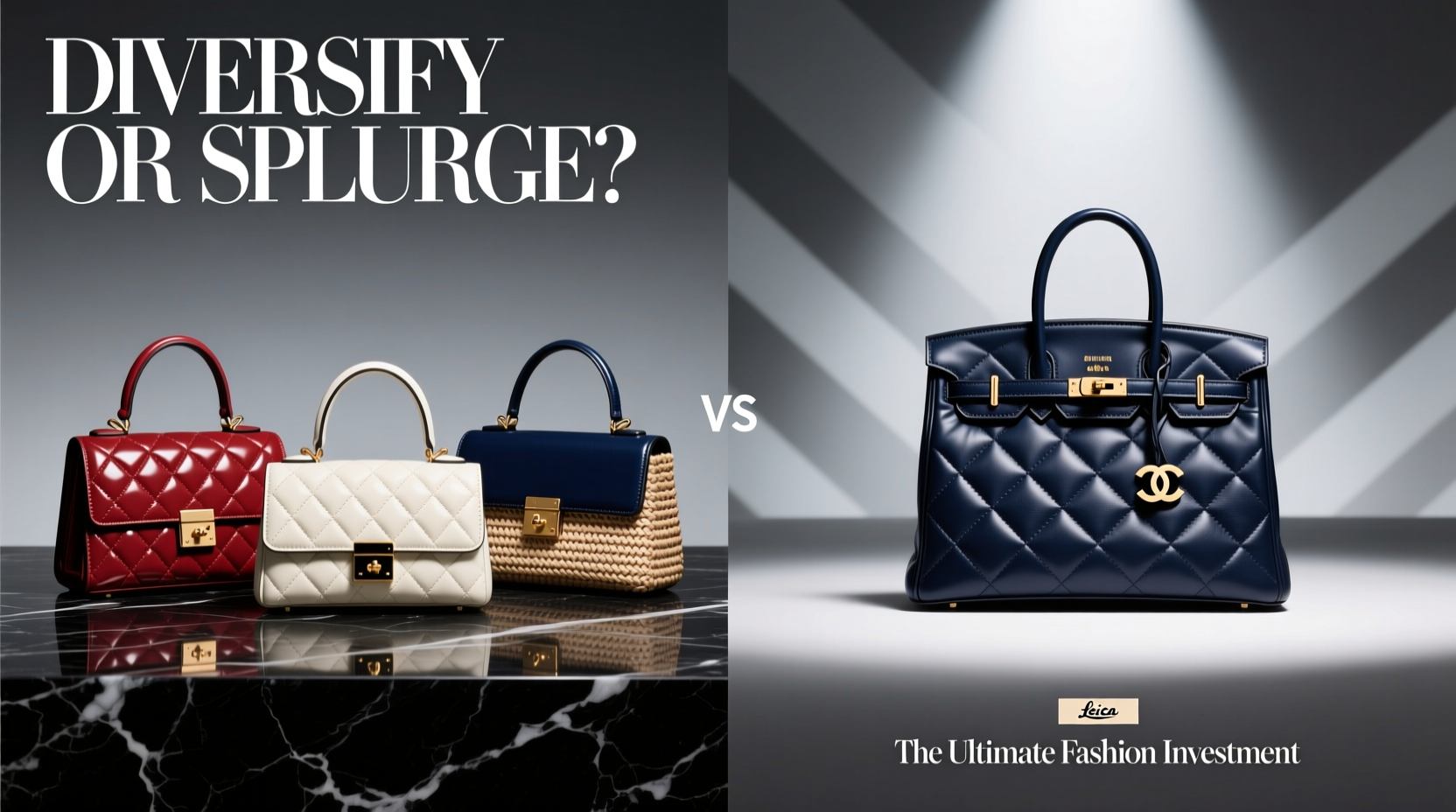
A luxury bag set typically includes two or more coordinated pieces—often a tote, clutch, and crossbody—designed to complement one another in color, material, and hardware. These sets are frequently released by major fashion houses like Gucci, Louis Vuitton, or Saint Laurent, often tied to seasonal collections or special collaborations.
For many, the appeal lies in immediate versatility. A well-curated set allows for seamless transitions from day to night, office to evening event, or casual outing to formal dinner—all without needing additional accessories. Sets also offer visual cohesion, making them ideal for those who appreciate a polished, put-together aesthetic.
Pros of Choosing a Bag Set
- Versatility: Multiple bags serve different purposes—work, travel, social events.
- Value perception: Some sets appear to offer a discount compared to buying individually.
- Styling ease: Coordinated colors and finishes simplify outfit pairing.
- Collectibility: Limited-edition sets can become collector’s items.
Cons of Choosing a Bag Set
- Limited customization: You may not love every bag in the set.
- Storage demands: Requires more space and care.
- Resale limitations: Sets often lose value if sold separately.
- Faster trend obsolescence: Themed sets may feel dated sooner than classic silhouettes.
The Power of the Single Iconic Bag
On the other side of the spectrum is the singular, statement-making designer bag—the Hermès Birkin, the Chanel Classic Flap, or the Dior Lady Dior. These pieces transcend seasons. They’re engineered for longevity, both in craftsmanship and cultural relevance. Investing in one such bag means acquiring more than an accessory; it’s owning a symbol of status, heritage, and timeless design.
Unlike trend-driven sets, iconic bags often appreciate in value over time. According to the Bag Hunter Index, certain vintage Chanel bags have increased in resale value by over 15% annually for the past decade—outperforming traditional investments like gold or real estate in some years.
“An iconic bag isn’t just worn—it’s inherited. Its value compounds not only financially but emotionally.” — Clara Montaigne, Luxury Fashion Curator at Paris Mode Archive
Pros of Choosing One Iconic Piece
- Long-term value retention (or appreciation): Especially true for rare or discontinued models.
- Prestige: Instant recognition and elevated personal style.
- Simpler maintenance: One high-quality item is easier to care for than multiple pieces.
- Emotional significance: Often becomes a milestone gift or heirloom.
Cons of Choosing One Iconic Piece
- High upfront cost: May require significant saving or financing.
- Functional limitations: One bag rarely suits all occasions.
- Waitlists and exclusivity: Hard to acquire without connections or patience.
- Risk concentration: If damaged or lost, the impact is greater.
Comparative Breakdown: Bag Set vs. Single Iconic Bag
| Factor | Bag Set | Single Iconic Bag |
|---|---|---|
| Initial Cost | Medium to high (combined) | Very high |
| Resale Value | Moderate (better if kept together) | High to exceptional (especially vintage/rare) |
| Versatility | High (multiple styles) | Low to moderate (depends on model) |
| Timelessness | Variable (trend-sensitive) | Very high (classic designs) |
| Storage & Care | Demanding (multiple items) | Manageable (one focus) |
| Emotional Impact | Enjoyment through variety | Pride of ownership, legacy potential |
Real-World Example: Two Approaches, Two Outcomes
Consider Sarah and Elena, both with $12,000 to invest in luxury accessories.
Sarah opts for a curated set: a Gucci Soho Double Bag, Jackie 1961, and Marmont Mini Clutch—totaling $11,800. She enjoys rotating them weekly, matching her wardrobe effortlessly. However, three years later, resale estimates place the combined value at $7,200, primarily due to wear and shifting trends.
Elena waits 18 months to acquire a pre-owned Hermès Kelly 28 in Togo leather for $12,500 (financing the extra $500). Though she uses it sparingly, its condition remains pristine. Five years later, the same model sells privately for $18,000. Beyond the financial gain, she describes the bag as “a piece of art I carry with reverence.”
This contrast highlights how intent shapes outcome. Sarah prioritized utility and joy in the moment; Elena focused on legacy and long-term equity.
How to Decide: A Step-by-Step Guide
Choosing between a set and a single icon shouldn’t be impulsive. Follow this structured approach:
- Assess Your Lifestyle Needs: Do you need multiple bags for work, travel, and events? Or do you prefer minimalism?
- Define Your Goals: Are you collecting, investing, or enhancing daily style?
- Research Resale Trends: Use platforms like Rebag, Vestiaire Collective, or What Goes Around Comes Around to analyze historical pricing.
- Test Wearability: Try similar styles in-store or via rental services to gauge comfort and frequency of use.
- Project Longevity: Ask: Will I still love this in five years? Does it align with my evolving taste?
- Calculate Total Ownership Cost: Include dust bags, conditioning, insurance, and storage solutions.
Essential Checklist Before Buying
- ✅ Confirm authenticity (serial number, craftsmanship details)
- ✅ Evaluate resale history for the exact model/color
- ✅ Assess your current bag collection—do you already own something similar?
- ✅ Consider storage conditions at home (humidity, light exposure)
- ✅ Determine usage frequency—will it gather dust or get regular wear?
- ✅ Decide whether you're buying for emotion, function, or investment
Frequently Asked Questions
Can a bag set ever appreciate in value?
Rarely. Most sets depreciate unless they’re part of a highly limited collaboration (e.g., LV x Murakami) and remain unworn in original packaging. Even then, appreciation is less predictable than with standalone icons.
Is it better to buy new or pre-owned when splurging on one bag?
Pre-owned often offers better value. Many iconic bags retain 60–80% of retail value even after use, and buying secondhand avoids immediate depreciation. Just ensure authentication through a reputable dealer.
Do bag sets make good gifts?
Yes—if you know the recipient’s taste. Sets convey thoughtfulness and generosity. For maximum impact, choose neutral colors (black, tan, navy) and practical sizes.
Final Thoughts: Quality Over Quantity, But Context Matters
The answer to whether you should diversify with a luxury bag set or splurge on one iconic piece ultimately depends on your values, lifestyle, and long-term vision. There is no universal “smarter” choice—only the right choice for you.
If you thrive on variety, enjoy seasonal styling, and live an active social or professional life, a thoughtfully chosen set can enhance your daily experience. But if you seek enduring elegance, emotional connection, and potential financial return, a single masterpiece may serve you far better over time.
Remember: luxury is not defined by quantity, but by intentionality. Whether you own one bag or ten, what matters most is how each piece aligns with your identity and brings you genuine satisfaction.




 浙公网安备
33010002000092号
浙公网安备
33010002000092号 浙B2-20120091-4
Comments
No comments yet. Why don't you start the discussion?