
PU (polyurethane) leather boots are a popular alternative to genuine leather due to their affordability, versatility, and animal-friendly composition. While they mimic the look and feel of real leather, PU leather requires specific care to maintain its appearance and durability. Unlike natural leather, PU is more susceptible to cracking, peeling, and water damage when neglected. With proper maintenance, however, these boots can remain stylish and functional for years. The key lies in consistent care, smart storage, and understanding the material’s limitations.
Understanding PU Leather: Strengths and Vulnerabilities
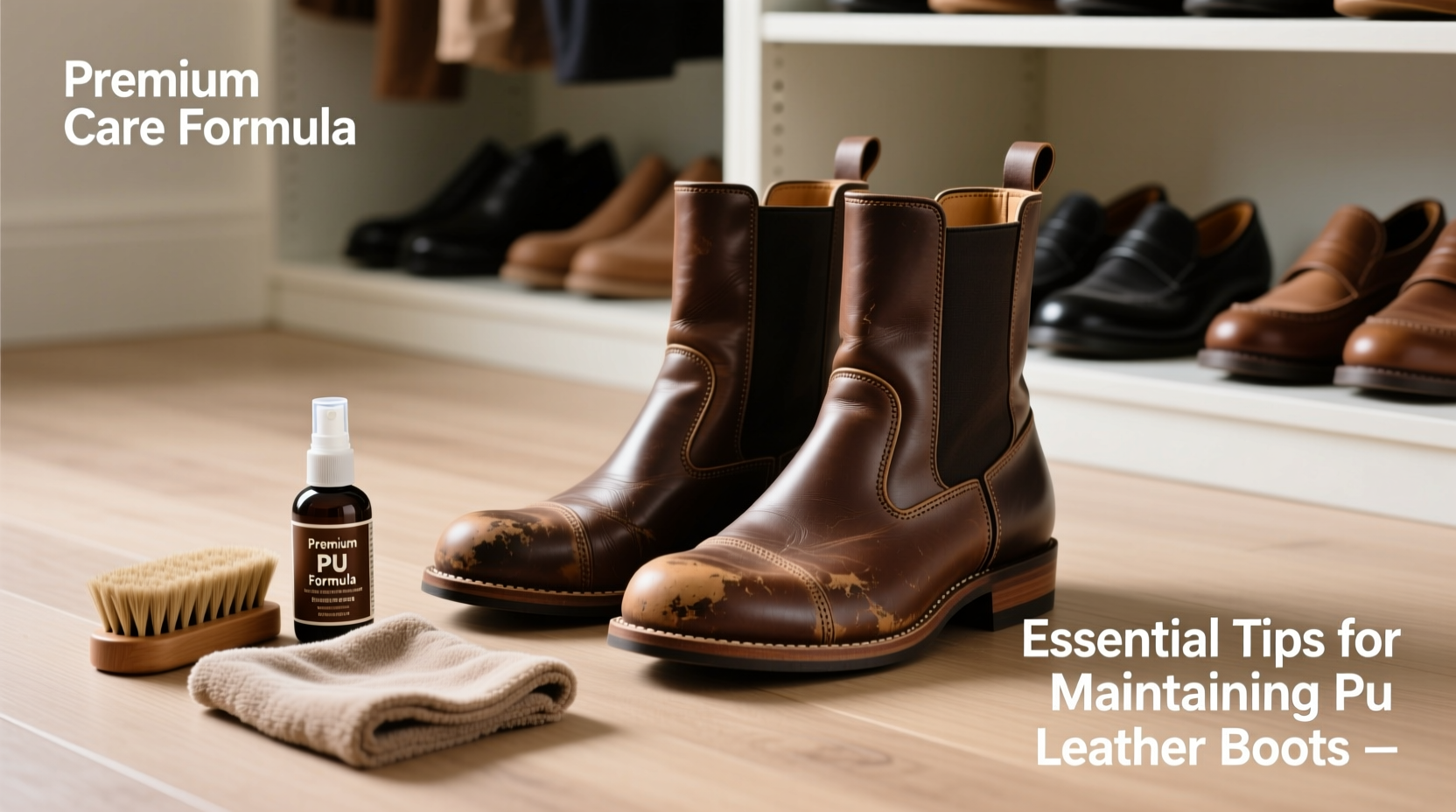
PU leather is a synthetic material made by coating a fabric backing—usually polyester or cotton—with a polyurethane layer. This gives it a leather-like texture and sheen at a fraction of the cost. It's breathable, flexible, and easier to clean than some other synthetics. However, it lacks the natural oils and resilience of genuine leather, making it prone to surface degradation over time.
The topcoat of PU leather is especially vulnerable to abrasion, heat, and prolonged exposure to moisture. Once the surface begins to crack or peel, restoration becomes difficult. That’s why preventive care is far more effective than trying to repair damage after it occurs. Knowing how the material reacts to environmental factors allows you to take proactive steps that significantly extend the lifespan of your boots.
“Many people treat PU leather like real leather, but they age very differently. The best defense is routine protection and avoiding extreme conditions.” — Lena Reyes, Footwear Care Specialist
Step-by-Step Cleaning Routine for PU Leather Boots
Cleaning is the foundation of any maintenance plan. Dirt, salt, and oils from skin can break down the PU coating over time. A regular cleaning schedule prevents buildup and keeps the material supple.
- Dry wipe after each wear: Use a soft, dry microfiber cloth to remove surface dust and debris. This takes less than a minute and prevents grime from embedding into the material.
- Weekly deep wipe: Dampen a clean cloth with lukewarm water and gently wipe the entire boot surface. Avoid soaking the material. For stubborn spots, use a small amount of mild soap (like dish soap diluted in water).
- Remove stains promptly: Ink, oil, or food stains should be addressed immediately. Blot—not rub—with a cloth dampened with soapy water. Rinse the area with a clean, water-dampened cloth and dry thoroughly with a towel.
- Never machine wash: The agitation and moisture will compromise the bond between the PU layer and fabric base, leading to delamination.
- Air dry naturally: After cleaning, let boots dry at room temperature, away from direct heat sources like radiators or sunlight.
Do’s and Don’ts of PU Leather Boot Care
| Do’s | Don’ts |
|---|---|
| Wipe boots after wearing, especially in wet or dusty conditions. | Expose boots to direct sunlight for long periods. |
| Use a PU-safe conditioner every 2–3 months. | Apply petroleum-based products or silicone sprays. |
| Store in a cool, dry place with good airflow. | Store in plastic bags or damp basements. |
| Use shoe trees or stuff with tissue paper to maintain shape. | Stack heavy items on top of stored boots. |
| Apply a waterproof spray designed for synthetic leather. | Use generic waterproofing sprays meant for suede or nubuck. |
Proper Storage Techniques to Prevent Damage
How you store your boots when not in use has a major impact on their longevity. Poor storage leads to creasing, warping, mold growth, and premature cracking.
Always store PU leather boots in a well-ventilated area, away from humidity and heat sources. Use breathable cotton shoe bags or old pillowcases to protect them from dust while allowing air circulation. Avoid plastic containers or zip-lock bags, which trap moisture and encourage mildew.
To preserve shape, insert shoe trees or crumpled acid-free paper inside the shaft. This prevents the upper from collapsing and reduces deep creases that can lead to splitting. If storing seasonally, check on them every few weeks—especially in humid climates—to ensure no mold or odor has developed.
Mini Case Study: Recovering Neglected Winter Boots
Sarah, a teacher from Chicago, wore her favorite pair of PU leather winter boots daily during a harsh season. She never cleaned them and stored them in a basement closet still damp from snow. By spring, the boots had developed white streaks, the heels were scuffed, and the front panels were peeling.
She brought them to a cobbler who confirmed the damage was irreversible. “The moisture broke down the adhesive layer,” he explained. “Even if we fixed the surface, it would keep flaking.” Sarah now follows a strict post-wear routine: wiping boots dry, applying a protective spray monthly, and storing them with silica gel packs in a ventilated cabinet. Her next pair lasted nearly three times longer.
Protective Measures for Daily Wear
Prevention is the most effective strategy. Applying a protective barrier reduces the risk of stains, water damage, and UV degradation.
- Waterproofing spray: Choose a product labeled safe for synthetic or faux leather. Apply evenly in a well-ventilated area and allow 24 hours to cure before wearing.
- Avoid extreme temperatures: Never leave boots near heaters, car trunks in summer, or freezing garages. Thermal stress accelerates cracking.
- Rotate usage: Wearing the same pair every day causes fatigue in the material. Rotating between two or more pairs allows each to rest and recover shape.
- Limit exposure to rain: While PU leather is somewhat water-resistant, prolonged soaking weakens the layers. If caught in a storm, dry thoroughly and condition afterward.
Essential Maintenance Checklist
Follow this simple checklist to keep your PU leather boots in top condition:
- ✅ Wipe boots clean after each use
- ✅ Deep clean monthly with mild soap and water
- ✅ Condition every 2–3 months with a PU-safe product
- ✅ Apply waterproofing spray every 4–6 weeks
- ✅ Store in breathable bags with shoe forms
- ✅ Keep away from direct heat and sunlight
- ✅ Inspect monthly for signs of peeling or cracks
Frequently Asked Questions
Can I use leather conditioner on PU leather boots?
No. Traditional leather conditioners contain oils that penetrate natural fibers but can degrade the synthetic coating of PU leather. Always use a product specifically formulated for synthetic or faux leather to avoid damaging the surface.
Why are my PU leather boots cracking?
Cracking usually results from drying out, exposure to heat, or lack of conditioning. Frequent flexing without proper care weakens the surface layer. Prevention through regular conditioning and avoiding extreme environments is key.
How long should PU leather boots last with proper care?
With consistent maintenance, high-quality PU leather boots can last 2–4 years, even with regular use. Lower-quality materials may begin to degrade within a year if not cared for properly.
Final Thoughts: Small Habits, Lasting Results
Maintaining PU leather boots doesn’t require expensive products or hours of effort. It comes down to consistency—wiping them down, storing them properly, and protecting them from the elements. These small habits compound over time, preserving both appearance and structural integrity.
Unlike natural leather, PU won’t age gracefully without intervention. But with informed care, your boots can remain a reliable part of your wardrobe for seasons to come. Start today: clean your boots, check your storage space, and invest in a quality protector spray. Your future self will appreciate the effort when your favorite pair still looks sharp years later.




 浙公网安备
33010002000092号
浙公网安备
33010002000092号 浙B2-20120091-4
Comments
No comments yet. Why don't you start the discussion?