
Nylon tote bags have become a staple in modern wardrobes—lightweight, water-resistant, and versatile enough for work, travel, or casual outings. But not all nylon totes are created equal. While some last years with daily use, others fray or fail after just a few months. The difference lies in construction quality, material integrity, and design foresight. Knowing how to spot a truly durable nylon tote can save you money, reduce waste, and ensure you’re carrying a bag that performs under pressure.
Whether you're shopping online or browsing in-store, understanding what makes a nylon tote resilient will help you make smarter choices. From thread density to zipper strength, the details matter. This guide breaks down the key indicators of quality so you can invest confidently in a bag built to endure.
1. Assess the Fabric: Weight, Weave, and Finish
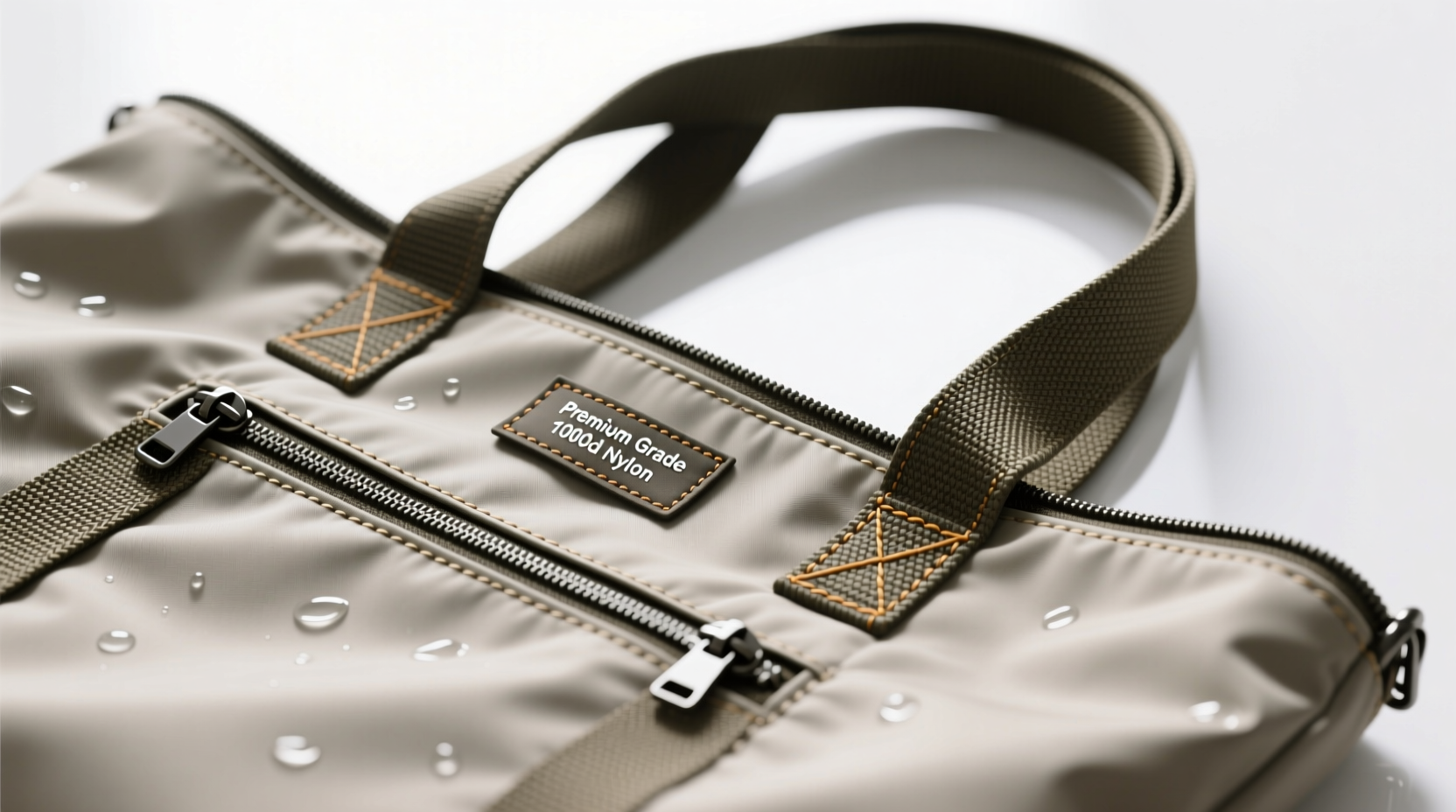
The foundation of any durable tote is its fabric. Nylon comes in various deniers—the unit used to measure fiber thickness. A higher denier means a denser, tougher fabric. For example, 420D nylon is standard for light-duty use, but if you want longevity, look for 600D, 900D, or even 1000D.
Beyond denier, examine the weave. Tightly woven ripstop nylon, recognizable by its grid-like pattern, resists tearing and spreading of punctures. It’s commonly used in military gear and outdoor equipment for good reason. Also, check for a protective coating. High-quality nylon often features a silicone or polyurethane (PU) finish that enhances water resistance and UV protection.
Avoid bags made from recycled or ultra-lightweight nylon unless they’re reinforced. While eco-friendly options are gaining ground, many still lack the tensile strength needed for heavy loads. If sustainability matters to you, look for brands that combine recycled materials with structural reinforcements like double-layering at stress points.
2. Inspect the Stitching and Seam Construction
No amount of strong fabric compensates for poor stitching. Seams are where most tote bags fail—especially along handles, gussets, and bottom panels. To assess durability, look for these markers:
- Double or triple stitching at high-stress areas
- Even stitch density (at least 8–10 stitches per inch)
- Reinforced box stitches at corners and strap attachments
- Felled or taped seams that prevent fraying
Straight, consistent lines indicate precision manufacturing. Jagged or wavy seams suggest rushed production. Pay special attention to where straps meet the body. These junctions should be bar-tacked—small, dense zigzag stitches—or reinforced with fabric patches underneath.
“Stitching is the skeleton of a bag. Even the best materials collapse without proper reinforcement.” — Marcus Lin, Product Designer at Urban Gear Labs
3. Evaluate Hardware and Functional Details
Zippers, buckles, D-rings, and clasps are often overlooked, yet they’re critical to performance. Cheap plastic zippers jam or break; metal ones withstand repeated use. Look for YKK or RIRI zippers—they’re industry standards for reliability. Test the slider: it should glide smoothly without catching, and the teeth should interlock securely.
Hardware color consistency also matters. Faded or uneven finishes signal poor plating, which leads to rust or chipping over time. Stainless steel, aluminum, or brass components resist corrosion better than zinc alloys, especially in humid environments.
| Component | High-Quality Sign | Potential Red Flag |
|---|---|---|
| Zipper | YKK logo, smooth action, metal teeth | Plastic slider, snagging, misaligned teeth |
| Strap Attachments | Metal D-rings with rivets or bartacks | Stitched-only rings, loose movement |
| Handles | Double-layered webbing, padded grip | Thin fabric, exposed stitching |
| Base Panel | Reinforced with stiffener or extra layer | Flat, no structure, easily dents |
4. Real-World Example: Choosing Between Two Popular Totes
Consider two well-known nylon totes priced within $20 of each other. One is a minimalist brand favored for its clean design; the other is marketed as “adventure-ready.” At first glance, both appear similar. However, upon closer inspection, differences emerge.
The budget-friendly option uses 420D nylon with single stitching on the handles and plastic zippers. After six months of daily subway commutes, the owner reports seam splitting near the shoulder strap and a zipper that began skipping teeth. In contrast, the premium model uses 900D ripstop nylon, YKK zippers, and double-stitched load-bearing points. After 18 months of urban and weekend travel use, it shows only minor surface scuffing with zero structural issues.
This case illustrates that price alone isn’t the best predictor of durability. Attention to construction details determines real-world performance. The extra $15 investment paid off in longevity and reduced replacement frequency.
5. Build a Quality Checklist Before You Buy
Before purchasing a nylon tote, go through this practical checklist to avoid buyer’s remorse:
- Check the denier: Aim for 600D or higher for everyday durability.
- Examine seams: Look for double stitching and reinforced corners.
- Test the zipper: Open and close it multiple times—no resistance or wobble.
- Inspect attachment points: Straps should be anchored with metal hardware and bartacks.
- Feel the base: A structured or padded bottom resists sagging.
- Look inside: Lining should be tightly sewn, not peeling or loose.
- Check weight capacity: Reputable brands list maximum load (e.g., 20 lbs).
- Review warranty: Lifetime guarantees often reflect confidence in build quality.
6. Care Tips to Extend Your Tote’s Lifespan
Even the best-made tote requires basic care. Sweat, dirt, and UV exposure degrade nylon over time. Wipe down the exterior monthly with a damp cloth and mild soap. Avoid machine washing unless specified—agitation can weaken seams. Instead, hand wash with a soft brush and air dry away from direct sunlight.
Store your tote upright or stuffed with tissue paper to maintain shape. Never leave it crammed in a corner or under heavy objects. If it has a removable liner or laptop sleeve, clean those separately to prevent mold buildup.
“Consistent care and proper storage can double a bag’s lifespan.” — Emma Clarke, Fashion Care Expert
7. Frequently Asked Questions
Is nylon better than polyester for tote bags?
Nylon generally outperforms polyester in strength and elasticity, making it more resistant to abrasion and impact. However, polyester offers better UV resistance and dries faster. For heavy-duty use, nylon is preferable—especially when coated or ripstop-woven.
Can a nylon tote be repaired if a strap breaks?
Yes, but success depends on access to skilled repair services. Many outdoor gear specialists can reattach straps using industrial sewing machines and heat-sealing techniques. However, prevention is better: choose totes with replaceable straps or modular designs.
How do I know if a nylon tote is waterproof or just water-resistant?
True waterproof bags feature sealed seams and roll-top closures. Water-resistant totes may repel light rain thanks to coatings but aren’t submersible. Check product specs: “water-resistant” usually means short-term splash protection, while “waterproof” implies full barrier performance.
Final Thoughts: Invest in Integrity, Not Just Style
A high-quality nylon tote isn’t defined by brand names or trendy aesthetics—it’s built on thoughtful engineering and reliable materials. By focusing on fabric weight, stitching integrity, hardware quality, and functional design, you’ll select a bag that withstands daily demands without compromise.
Don’t settle for flimsy construction disguised by clever marketing. Take a moment to inspect every detail before buying. Your future self—rushing to work, traveling through airports, or hauling groceries in the rain—will appreciate the peace of mind that comes with a truly durable companion.




 浙公网安备
33010002000092号
浙公网安备
33010002000092号 浙B2-20120091-4
Comments
No comments yet. Why don't you start the discussion?