
As temperatures drop, small dogs are especially vulnerable to the cold. Breeds like Chihuahuas, Yorkshire Terriers, and Pomeranians have less body fat and thinner coats, making them prone to rapid heat loss. Unlike larger breeds, they can’t generate or retain warmth as efficiently. Ensuring their comfort isn’t just about avoiding shivers—it’s about preventing hypothermia, joint stiffness, and stress-related health issues. With thoughtful preparation and consistent routines, you can help your small companion stay warm, active, and happy all winter long.
Understand Your Small Dog’s Cold Sensitivity
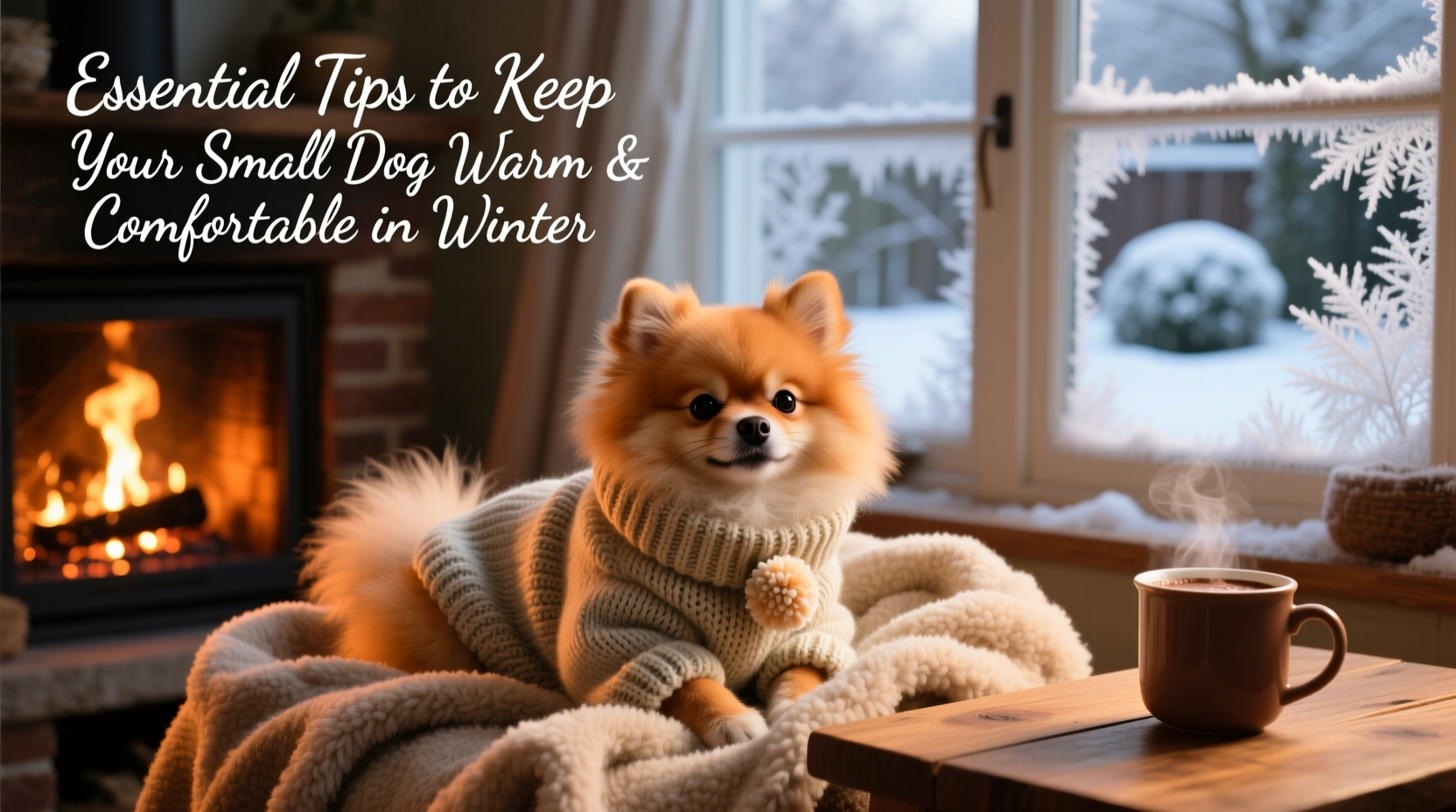
Small dogs lose body heat faster due to a higher surface-area-to-volume ratio. A 10-pound dog has significantly more skin relative to its mass than a 60-pound dog, which means more exposure to cold air. Additionally, short-haired breeds or those with fine coats lack natural insulation. Even indoor environments can become chilly, especially near drafty windows or tiled floors.
Veterinarians agree that most small dogs begin feeling uncomfortable when temperatures fall below 45°F (7°C). At 32°F (0°C), even brief outdoor exposure can be risky. Watch for signs of cold stress: shivering, lethargy, reluctance to walk, tucking paws under the body, or whining.
“Small breed dogs are at greater risk in cold weather because their metabolic rate is high, but their ability to conserve heat is low. Owners need to be proactive.” — Dr. Laura Simmons, DVM, Canine Wellness Specialist
Dress for the Weather: Choosing the Right Outerwear
Just as humans wear layers, small dogs benefit from well-fitted clothing. A good winter wardrobe includes a moisture-wicking base layer and a wind-resistant outer coat. Look for features like high necklines, coverage over the belly, and adjustable straps for a secure fit.
Not all fabrics are equal. Fleece provides excellent insulation when dry but loses effectiveness if wet. Wool blends offer natural temperature regulation. Avoid bulky designs that restrict movement or cover joints improperly.
Coat Selection Checklist
- Fits snugly without restricting leg movement
- Covers the back and abdomen fully
- Has easy-on closures (velcro, snaps, or zippers)
- Made from breathable, water-resistant material
- Includes reflective strips for nighttime visibility
Create a Warm and Cozy Indoor Environment
Indoor comfort is just as important as outdoor protection. Many pet owners assume heated homes are sufficient, but localized cold spots—especially near floors or windows—can still affect small dogs.
Elevate your dog’s bed off cold surfaces. Raised orthopedic beds with memory foam retain warmth better than flat pads on tile or hardwood. Place beds away from exterior walls and drafts. Consider adding a heated pet pad set to low, but ensure it has an auto-shutoff feature to prevent burns.
| Item | Winter Benefit | Caution |
|---|---|---|
| Heated pet mat | Provides consistent warmth | Use only with chew-proof cords and supervision |
| Fleece-lined blanket | Soft, insulating layer for laps or beds | Avoid loose threads that could be ingested |
| Raised insulated bed | Blocks cold from floor transfer | Ensure stability so small dogs don’t slip |
| Ceramic space heater | Warms specific areas safely | Keep out of reach and use with tip-over protection |
Safe Outdoor Practices in Cold Weather
Even short walks require planning. Limit outdoor time when temperatures dip below freezing. Schedule walks during the warmest part of the day—typically mid-morning to early afternoon. Use a harness instead of a collar to distribute pressure and avoid restricting breathing if your dog buries its head into its chest for warmth.
Salt and chemical deicers used on sidewalks can irritate paw pads or cause gastrointestinal issues if licked. After every walk, wipe your dog’s feet with a damp cloth or pet-safe wipes. For frequent exposure, consider waterproof booties that provide grip and insulation.
Winter Walk Safety Timeline
- Before going out: Dress your dog in a coat and check weather conditions.
- During the walk: Keep it under 15–20 minutes in freezing temps; watch for signs of discomfort.
- Immediately after: Remove coat, wipe paws, and inspect for redness or cracking.
- At home: Offer fresh water and let your dog rest in a warm spot.
Real-Life Example: Managing Winter with a Senior Chihuahua
Maria, a pet owner in Chicago, noticed her 12-year-old Chihuahua, Luna, became stiff and reluctant to move during winter mornings. Despite central heating, the tile floor in her apartment stayed cold. After consulting her vet, Maria made several changes: she added a heated orthopedic bed, started using a fleece-lined coat indoors during peak cold hours, and switched to shorter, more frequent bathroom breaks outside.
Within two weeks, Luna resumed her normal activity level. Her vet noted improved circulation and reduced joint discomfort during check-ups. “It wasn’t one big change,” Maria said. “It was layering small protections that made the biggest difference.”
Nutrition and Hydration Adjustments for Cold Months
While some dogs may need slightly more calories in winter to maintain body heat, overfeeding leads to weight gain—especially with reduced outdoor activity. Monitor your dog’s weight and adjust portions accordingly. High-quality protein supports muscle maintenance, which aids thermoregulation.
Dehydration is often overlooked in winter. Dry indoor air and reduced thirst cues mean dogs may drink less. Encourage hydration by offering warm broth (without onions or garlic) or placing multiple water bowls in heated areas. Check water frequently to ensure it hasn’t frozen outdoors.
Frequently Asked Questions
Can I use a human heating pad for my small dog?
No. Human heating pads can overheat and cause burns. Use only pet-specific heated mats designed with safety controls and chew-resistant wiring.
How do I know if my dog is too cold at night?
Signs include shivering, curling tightly into a ball, or seeking out warmer spots like behind radiators or under furniture. If your dog usually sleeps on the floor but suddenly jumps onto the couch, it may be trying to escape cold surfaces.
Are sweaters necessary if my dog has fur?
Yes, even furry small dogs benefit from clothing in cold climates. Fur alone isn’t enough insulation against wind and dampness. Breeds like Shih Tzus or Maltese have long coats that offer minimal thermal protection once wet.
Final Checklist: Winter Readiness for Small Dogs
- ✔️ Invest in 2–3 well-fitting winter coats for rotation
- ✔️ Upgrade sleeping area with raised, insulated bedding
- ✔️ Wipe paws after every outdoor trip
- ✔️ Monitor indoor humidity and temperature (ideal: 68–72°F)
- ✔️ Schedule a pre-winter vet check to assess joint and heart health
- ✔️ Stock up on pet-safe paw balm and non-toxic deicer
Stay Proactive, Stay Warm
Keeping a small dog warm in winter doesn’t require extreme measures—just consistent attention to detail. From proper clothing to smart home setup and mindful outdoor habits, each step contributes to your dog’s overall well-being. Cold weather shouldn’t mean sacrificing comfort or quality of life. By understanding your dog’s unique needs and acting early, you create a safe, nurturing environment that supports health all season long.




 浙公网安备
33010002000092号
浙公网安备
33010002000092号 浙B2-20120091-4
Comments
No comments yet. Why don't you start the discussion?