
Woven bags have become a staple in modern wardrobes—valued for their timeless charm, eco-friendly materials, and artisanal craftsmanship. Whether made from raffia, straw, seagrass, or synthetic fibers, these accessories bring elegance to any outfit. But unlike leather or canvas, woven materials are more delicate and prone to deformation, fraying, and discoloration if not properly cared for. The good news? With the right maintenance routine, you can preserve both the appearance and structure of your favorite woven bag for seasons to come.
Understand Your Bag’s Material
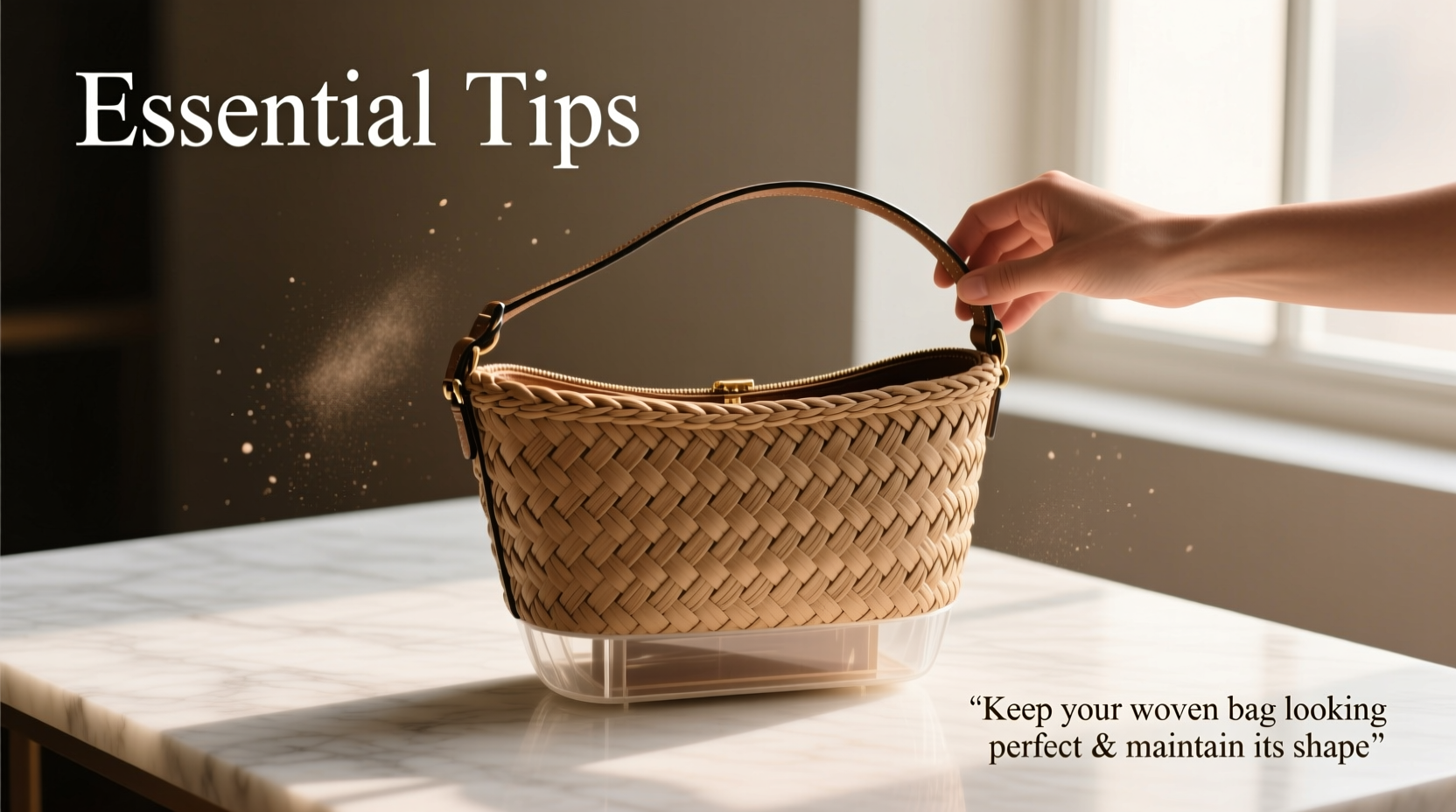
Not all woven bags are created equal. The care method depends heavily on the base material. Natural fibers like raffia, jute, and water hyacinth offer breathability and sustainability but are sensitive to moisture and direct sunlight. Synthetic weaves such as polypropylene or resin wicker are more durable and weather-resistant but can still degrade under harsh conditions.
Before applying any cleaning or storage technique, identify what your bag is made from. Check the product label or consult the manufacturer's website. Misidentifying the material can lead to irreversible damage—like warping from water exposure or brittleness from chemical cleaners.
How to Clean Without Compromising Shape
Cleaning is essential, but aggressive scrubbing or soaking can loosen fibers and distort the weave pattern. Instead, adopt a gentle, targeted approach.
- Dry Dusting: Use a soft-bristle brush (a clean toothbrush works well) to remove surface dust and debris. Gently brush in the direction of the weave to avoid pulling fibers.
- Spot Cleaning: For stains, mix a few drops of mild dish soap with lukewarm water. Dampen a microfiber cloth—never soak it—and dab the affected area. Avoid circular motions; instead, use light strokes following the weave.
- Air Dry Only: Never use a hairdryer or place the bag near a heater. Let it dry at room temperature, away from direct sunlight, while maintaining its natural form with light stuffing.
Never machine wash or submerge a woven bag. Water absorption can cause swelling, warping, or mold growth, especially in natural fiber bags.
Step-by-Step: Safe Spot Cleaning Process
- Remove contents and shake out loose particles.
- Use a dry brush to gently dislodge surface dirt.
- Mix 1 tsp mild soap with 1 cup lukewarm water.
- Dip a corner of a microfiber cloth and wring thoroughly.
- Dab (don’t rub) the stain until lifted.
- Wipe with a clean, damp cloth to remove soap residue.
- Stuff the bag lightly with tissue paper and air-dry upright for 12–24 hours.
Proper Storage Techniques to Maintain Structure
Improper storage is one of the leading causes of misshapen woven bags. Folding, compressing, or hanging by straps can stretch seams and collapse the frame.
The key is to store the bag in a way that supports its original silhouette. Always stuff it with acid-free tissue paper or soft cloths to maintain volume. Avoid newspaper—it can transfer ink. Then, place it in a breathable cotton dust bag. Never use plastic bins or vacuum-sealed covers, as they trap moisture and encourage mildew.
| Storage Do’s | Storage Don’ts |
|---|---|
| Store upright with light stuffing | Fold or flatten the bag |
| Use a cotton dust bag | Keep in plastic packaging |
| Place in a cool, dry closet | Leave in humid bathrooms or garages |
| Rotate seasonal use | Stack heavy items on top |
“Consistent care and proper storage can double a bag’s lifespan.” — Emma Clarke, Fashion Care Expert
Avoid Common Daily Wear Mistakes
Even with excellent cleaning and storage habits, everyday misuse can shorten your bag’s life. Awareness of small but damaging behaviors makes a big difference.
- Overloading: Woven bags lack rigid internal structures. Carrying heavy books, laptops, or groceries strains the handles and distorts the body.
- Exposure to Rain: Natural fibers absorb water quickly. If caught in a downpour, let the bag dry slowly at room temperature—never near a radiator.
- Sunlight Exposure: UV rays fade colors and weaken fibers over time. Avoid leaving your bag on car seats or poolside loungers for extended periods.
- Makeup and Oils: Lipstick, sunscreen, and skin oils can stain porous materials. Use inner pouches for cosmetics and clean hands before handling.
Mini Case Study: Recovering a Warped Raffia Tote
Sophie, a frequent beachgoer, loved her oversized raffia tote but noticed it had begun to slouch after being stuffed into her car trunk and exposed to sea spray. After two summers, the base was misshapen and the sides caved inward. She consulted a handbag restorer who advised a three-step recovery plan: First, she gently cleaned the bag with a soap-dampened cloth and allowed it to dry over 48 hours while supported by a cardboard insert. Next, she conditioned the natural fibers using a diluted vinegar-water mist (1:3 ratio) to restore flexibility. Finally, she began storing it with structured tissue filling and a breathable cover. Within weeks, the bag regained much of its original form and continues to be used seasonally with care.
Seasonal Maintenance Checklist
To ensure long-term preservation, integrate these actions into your routine:
- ✅ Clean after every 3–4 uses with a soft brush
- ✅ Inspect stitching monthly for loose threads
- ✅ Rotate bags to prevent overuse
- ✅ Re-stuff during storage changes (e.g., winter to summer)
- ✅ Condition natural fibers twice a year with a fabric-safe spray
- ✅ Store off-season bags in labeled, ventilated containers
Frequently Asked Questions
Can I repair a frayed edge on my woven bag?
Yes, minor fraying can often be stabilized with a clear nail polish or fabric sealant applied carefully to the loose end. For significant unraveling, consult a professional restorer. Attempting to sew it yourself may worsen the damage due to the fragile nature of the weave.
Is it safe to use waterproofing sprays on woven bags?
Only if specifically designed for natural fibers. Standard waterproof sprays may leave a sticky residue or discolor light-colored weaves. Test on an inconspicuous area first. For most users, prevention—like avoiding rain and wiping spills immediately—is safer than chemical treatments.
How do I remove musty odors from stored woven bags?
Place the bag in a sealed container with an open box of baking soda for 24–48 hours. Alternatively, hang it in a well-ventilated area with a few drops of essential oil (like lavender) on a cloth nearby—not directly on the bag. Avoid perfumes or aerosols, which can stain or degrade fibers.
Final Thoughts: Care Is Part of the Style
A beautifully maintained woven bag isn’t just functional—it’s a reflection of thoughtful living. These accessories carry more than your essentials; they carry stories, craftsmanship, and personal taste. By investing a few minutes in proper cleaning, mindful use, and intelligent storage, you honor that value and extend the life of a piece you love.
Shape retention isn’t accidental. It’s the result of consistent, informed habits. Start today: empty your bag, give it a gentle brush, restuff it properly, and store it with intention. Small actions compound into lasting results.




 浙公网安备
33010002000092号
浙公网安备
33010002000092号 浙B2-20120091-4
Comments
No comments yet. Why don't you start the discussion?