
Craving ice is more common than many realize, but when it becomes a persistent habit—chewing dozens of cubes daily or feeling compelled to suck on ice throughout the day—it may be a sign of something deeper. Known medically as pagophagia, compulsive ice eating is often dismissed as a quirky preference, yet it can point to significant nutritional imbalances or health conditions. While occasional ice chewing might seem harmless, chronic cravings are frequently linked to deficiencies in key nutrients, particularly iron. Understanding the root causes behind this behavior empowers individuals to seek timely intervention and restore balance.
The Science Behind Ice Cravings
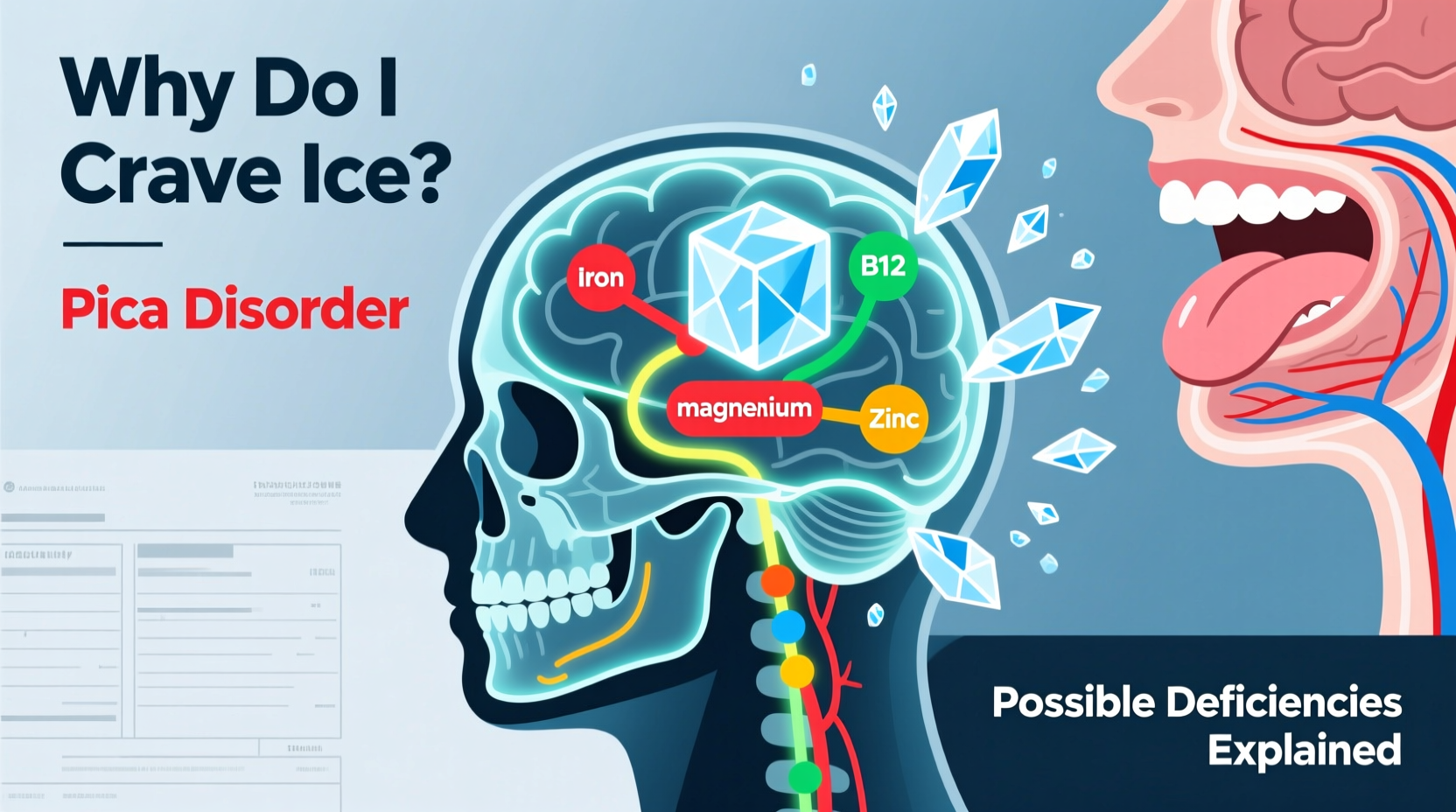
At first glance, craving a substance with no caloric or nutritional value seems illogical. However, research suggests that the act of chewing ice may provide temporary physiological relief for people suffering from certain deficiencies. The most well-documented connection is between ice cravings and iron deficiency anemia. When hemoglobin levels drop due to insufficient iron, tissues receive less oxygen, leading to fatigue, weakness, and cognitive sluggishness. Chewing ice appears to stimulate blood flow in the brain, offering a brief surge in alertness and mental clarity.
A 2014 study published in the journal Medical Hypotheses found that patients with iron deficiency anemia who chewed ice reported improved energy and concentration within minutes. Once their iron levels were corrected through supplementation, the ice cravings typically subsided. This response suggests that the behavior isn’t merely psychological but serves a functional role in compensating for reduced oxygen delivery to the brain.
“Pagophagia should never be ignored. It’s one of the few pica behaviors with a strong, consistent link to a specific medical condition—iron deficiency. Addressing the deficiency often resolves the craving.” — Dr. Lena Patel, Hematology Specialist
Iron Deficiency: The Primary Culprit
Iron deficiency is the leading cause of ice cravings, especially in women of reproductive age, pregnant individuals, and those with gastrointestinal disorders affecting nutrient absorption. Iron is essential for producing hemoglobin, the protein in red blood cells that carries oxygen. When stores run low, the body struggles to meet its oxygen demands, triggering a cascade of symptoms—including unusual food or non-food cravings.
Pica, the consumption of non-nutritive substances such as dirt, starch, or ice, is recognized by the DSM-5 as a potential symptom of nutritional deficiency. Among pica subtypes, pagophagia (ice) has the strongest association with iron deficiency. Studies show that up to 50% of individuals with iron deficiency anemia report ice cravings, even in the absence of other obvious symptoms.
Who Is at Risk?
- Women with heavy menstrual cycles: Monthly blood loss increases iron requirements.
- Pregnant individuals: Blood volume expands significantly, raising demand for iron.
- Vegans and vegetarians: Plant-based iron (non-heme) is less efficiently absorbed than animal-based (heme) iron.
- People with celiac disease or inflammatory bowel disease (IBD): Malabsorption can impair iron uptake.
- Those who have undergone gastric bypass surgery: Altered anatomy reduces nutrient absorption capacity.
Zinc and Other Possible Deficiencies
While iron takes center stage, other mineral deficiencies may also contribute to ice cravings. Zinc, crucial for immune function, wound healing, and taste perception, has been linked to altered appetite regulation. Some clinical reports suggest that correcting zinc deficiency can reduce unusual cravings, including ice.
Magnesium deficiency, though less directly studied in relation to pagophagia, affects neuromuscular function and energy metabolism. Given that fatigue and muscle weakness are common in magnesium insufficiency, some experts hypothesize that ice chewing could be a subconscious attempt to increase alertness, similar to the mechanism seen in iron deficiency.
Additionally, deficiencies in B vitamins—particularly B12 and folate—can lead to megaloblastic anemia, which shares symptoms like fatigue and cognitive fog with iron deficiency. Though less commonly associated with ice cravings, these deficiencies should not be ruled out during evaluation.
| Deficiency | Role in Body | Link to Ice Cravings |
|---|---|---|
| Iron | Oxygen transport, energy production | Strongly associated; most common cause |
| Zinc | Immune function, taste regulation | Emerging evidence; may influence appetite |
| Magnesium | Nerve function, muscle relaxation | Indirect link via fatigue and neurological effects |
| Vitamin B12 | Red blood cell formation, nerve health | Rarely reported, but anemia may trigger cravings |
When Ice Cravings Signal Broader Health Issues
Beyond nutritional gaps, chronic ice chewing can be a marker of systemic conditions. For example:
- Celiac disease: Autoimmune reaction to gluten damages the small intestine, impairing absorption of iron and other nutrients.
- Inflammatory bowel disease (Crohn’s, ulcerative colitis): Chronic gut inflammation leads to poor nutrient uptake and blood loss.
- Pregnancy-related anemia: Increased blood volume and fetal demands elevate iron needs, often exceeding dietary intake.
- Parasitic infections (e.g., hookworm): Blood-sucking parasites can cause gradual iron depletion, especially in endemic regions.
In rare cases, ice cravings appear alongside psychological conditions such as obsessive-compulsive disorder (OCD) or developmental disorders. However, even in these instances, ruling out physical causes remains essential before attributing the behavior solely to mental health factors.
Real-Life Example: Sarah’s Story
Sarah, a 32-year-old teacher, noticed she was going through entire trays of ice each day. She kept a freezer pack at her desk and would refill her cup just for the ice. Initially, she laughed it off as a “weird habit,” but when she began feeling unusually tired and short of breath climbing stairs, she consulted her doctor. Blood tests revealed a ferritin level of 8 ng/mL (normal: 15–150), indicating severe iron deficiency. After starting iron supplements, her energy returned—and within three weeks, her urge to chew ice vanished completely.
Sarah’s experience underscores how easily ice cravings can be overlooked until more serious symptoms emerge. Early recognition could have prevented months of fatigue and strain on her heart from compensating for low oxygen levels.
Step-by-Step Guide to Addressing Ice Cravings
If you’re consistently drawn to ice, follow this structured approach to identify and resolve the underlying issue:
- Track your habits: Note how often you chew ice, the quantity consumed, and any related symptoms (fatigue, dizziness, pale skin).
- Schedule a blood test: Request a complete blood count (CBC), serum ferritin, iron saturation, total iron-binding capacity (TIBC), and possibly zinc and B12 levels.
- Review diet and lifestyle: Assess your intake of iron-rich foods (red meat, spinach, lentils), vitamin C (to enhance iron absorption), and any factors that may impair absorption (coffee/tea with meals, antacids).
- Address the deficiency: Under medical supervision, begin appropriate supplementation. Do not self-prescribe high-dose iron without testing—excess iron can damage organs.
- Monitor progress: Recheck blood work after 2–3 months. Ice cravings should diminish as levels normalize.
- Treat underlying conditions: If celiac disease, IBD, or another disorder is diagnosed, manage it with a specialist’s guidance.
Practical Tips to Reduce Ice Cravings
While addressing the root cause is essential, these strategies can help manage the urge in the meantime:
- Switch to crushed ice or slushies made from fruit juice to satisfy texture cravings more nutritiously.
- Carry sugar-free frozen popsicles as a safer alternative.
- Stay hydrated with cold water—sometimes the desire is for temperature, not texture.
- Practice mindfulness: Pause and ask yourself whether you’re truly craving ice or responding to stress or boredom.
- Avoid large cubes if you have dental concerns—chronic chewing can lead to enamel erosion or cracked teeth.
Do’s and Don’ts When Dealing With Ice Cravings
| Do | Don’t |
|---|---|
| Get tested for iron deficiency if cravings persist | Ignore the craving as just a habit |
| Eat iron-rich foods with vitamin C sources | Drink coffee or tea with iron-rich meals |
| Follow medical advice for supplementation | Take iron supplements without testing |
| Consider digestive health if absorption is poor | Assume it’s purely psychological without evaluation |
| Use smaller ice pieces to protect teeth | Chew ice aggressively if you have dental work |
Frequently Asked Questions
Is chewing ice harmful?
Occasional ice chewing is generally safe for healthy teeth, but chronic pagophagia can lead to enamel wear, cracked teeth, or jaw pain. It may also indicate an underlying deficiency that requires attention.
Can low iron cause cravings for things other than ice?
Yes. Iron deficiency has been associated with pica behaviors involving starch (amylophagia), dirt (geophagia), paper, or hair. These cravings usually resolve once iron levels are restored.
How long does it take for ice cravings to stop after starting iron supplements?
Many people notice a reduction in cravings within 1–2 weeks of beginning effective treatment, often before hemoglobin levels fully normalize. Complete resolution typically occurs within 2–6 weeks.
Conclusion: Listen to Your Body’s Signals
Craving ice constantly isn’t just a strange quirk—it’s a potential red flag your body uses to communicate a need. Whether driven by iron deficiency, malabsorption, or another imbalance, this behavior deserves attention rather than dismissal. By taking proactive steps to investigate and address the root cause, you can restore both your nutritional health and overall well-being. Don’t wait for fatigue or weakness to worsen. Talk to your healthcare provider, request the right tests, and take control of your health today.




 浙公网安备
33010002000092号
浙公网安备
33010002000092号 浙B2-20120091-4
Comments
No comments yet. Why don't you start the discussion?