
Parrots are among the most intelligent and expressive birds in the animal kingdom, capable of mimicking human speech with remarkable clarity. For many owners, teaching their parrot to talk is one of the most rewarding aspects of companionship. However, that same talent can become a source of tension—especially when loud vocalizations echo through thin walls or during quiet hours. The challenge isn’t just training the bird; it’s doing so responsibly, without disrupting those around you.
The key lies in combining effective avian communication techniques with thoughtful environmental management. With the right approach, you can nurture your parrot’s ability to speak clearly and on cue—all while maintaining peace with neighbors above, below, and next door.
Understanding Parrot Vocalization: Why They Talk (and Squawk)
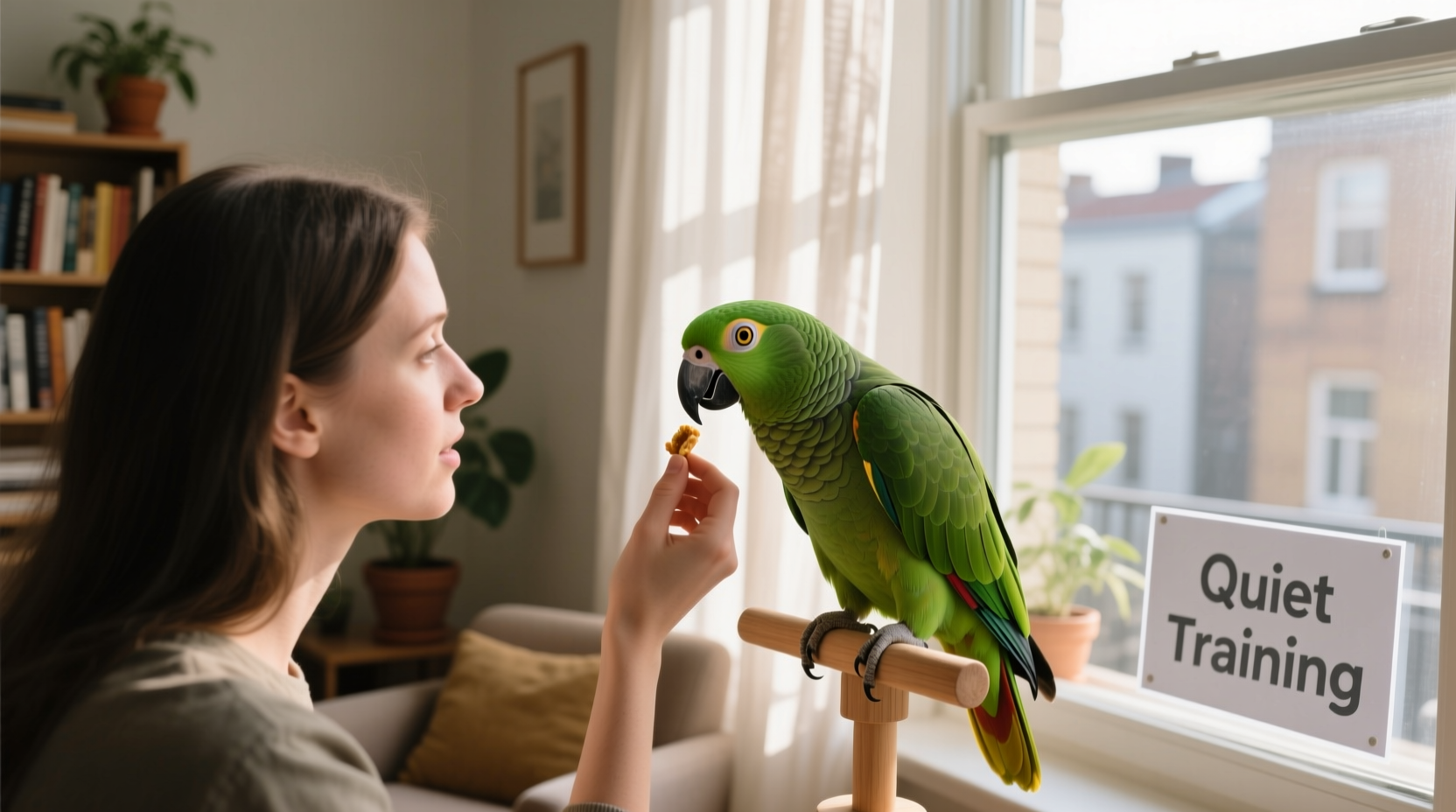
Parrots don’t mimic sounds randomly. In the wild, they use vocalizations to maintain flock cohesion, signal danger, or establish territory. As social creatures, pet parrots treat their human caregivers as part of their flock. When they repeat words or phrases, they’re often trying to engage, seek attention, or express excitement.
However, not all vocal behavior is learned speech. Loud screeches, repetitive calls, or dawn-and-dusk squawking are natural—but problematic in residential settings. Training a parrot to talk involves reinforcing desirable vocalizations (clear words) while discouraging excessive noise.
“Parrots learn best through repetition and positive association. But their volume is instinctive—they aren’t aware of human noise norms.” — Dr. Lena Torres, Avian Behavior Specialist
Recognizing this distinction allows owners to shape behavior intentionally. Instead of suppressing all sound—which can lead to stress—focus shifts to redirecting vocal energy into structured, quieter learning sessions.
Create a Training-Friendly Environment
Before introducing words, design a space conducive to focused learning. A calm, distraction-free area encourages better concentration from both bird and trainer. This environment also minimizes unintended noise pollution.
Choose a room with carpeting or soft furnishings to dampen echoes. Avoid placing the cage near radiators, vents, or appliances that generate background noise. Consistency matters: use the same location daily so your parrot associates the space with learning, not free-form calling.
Soundproofing doesn’t require renovations. Heavy curtains, bookshelves filled with books (which absorb sound), and rugs significantly reduce noise transmission. Even a simple DIY solution like hanging moving blankets temporarily during training can make a measurable difference.
Optimal Training Times by Household Type
| Living Situation | Best Training Hours | Avoid |
|---|---|---|
| Apartment/Condo | 10:00 AM – 12:00 PM, 2:00 PM – 4:00 PM | Early morning, late evening, post-9 PM |
| Townhouse | 9:30 AM – 11:30 AM, 1:00 PM – 3:30 PM | Before 8 AM or after 8 PM |
| Single-family home (detached) | Flexible, but respect outdoor quiet zones | Late-night sessions near bedroom walls |
Scheduling training during midday ensures you avoid early risers and night-shift workers. It also aligns with a parrot’s natural alertness peak, typically two hours after waking and before afternoon rest.
Step-by-Step Guide: Teaching Speech Without Excess Noise
Effective speech training relies on patience, consistency, and reinforcement—not volume. Follow this five-phase process to teach your parrot to speak clearly while minimizing disruptive outbursts.
- Start with Quiet Words: Begin with soft, low-pitched words like “hi,” “sweet,” or “good.” These are easier for birds to mimic at lower volumes and less likely to carry through walls.
- Use Positive Reinforcement Only: Reward attempts—even imperfect ones—with treats, praise, or head scratches. Never shout corrections; negative reactions may encourage louder behavior as a bid for attention.
- Limit Session Length: Keep sessions under 10 minutes, twice daily. Short bursts prevent overstimulation and reduce cumulative noise exposure for neighbors.
- Introduce One Word at a Time: Focus on mastery before adding new vocabulary. Repetition builds confidence and reduces random vocal experimentation.
- Add Contextual Cues: Say the word only in specific situations—e.g., say “hello” only when entering the room. This helps the bird associate meaning with sound, increasing intentional use.
As your parrot begins to respond, gradually increase complexity. Move from single words to short phrases like “pretty bird” or “want snack.” Always model calm delivery. If your parrot starts shouting, end the session quietly and try again later.
Managing Noise: Practical Strategies for Shared Living
Noise control isn’t about silencing your bird—it’s about managing timing, duration, and intensity. Implement these strategies to maintain harmony with nearby residents.
- Use a Cover Routine: Drape the cage with a breathable, dark cloth during sleep hours and high-sensitivity times (e.g., neighbor’s work-from-home hours). This signals quiet time and supports healthy circadian rhythms.
- Install a White Noise Machine: Run a fan or white noise device near the cage during training. It masks stray sounds and creates a buffer zone for minor vocalizations.
- Train On-Cue Responses: Teach your parrot to say a phrase only when prompted (“Say ‘hello’?”). This gives you control over when speech occurs, reducing spontaneous outbursts.
- Provide Alternative Outlets: Offer chewable toys, foraging puzzles, and foot toys to occupy beaks and minds. Boredom often triggers loud calling.
Consider using a small bell or clicker to mark desired vocal attempts silently. Over time, your parrot learns that soft speech earns rewards faster than screaming.
Do’s and Don’ts of Neighbor-Friendly Parrot Training
| Do | Don't |
|---|---|
| Inform neighbors about your bird early | Assume they won’t notice the noise |
| Train during daytime business hours | Practice after 7 PM or before 8 AM |
| Use treats to reward quiet attempts | Respond to screams with attention |
| Keep windows closed during sessions | Train outdoors near apartment balconies |
| Monitor decibel levels with a phone app | Ignore complaints or feedback |
Maintaining open communication with neighbors goes a long way. A simple note introducing your bird and acknowledging potential noise shows consideration and can prevent conflicts before they arise.
Real Example: Success in a Mid-Rise Apartment
Sophia, a software developer living in a Chicago high-rise, adopted a young green-cheeked conure named Milo. Within weeks, Milo began mimicking keyboard clicks and short phrases—but his enthusiastic “HELLO!” at 7 AM became a recurring complaint from the retiree downstairs.
Rather than reprimand Milo, Sophia adjusted her routine. She moved training to her home office, lined the wall behind the cage with acoustic foam panels, and introduced a “quiet word” protocol. Using millet sprays as rewards, she trained Milo to say “hi” softly only when she raised her hand—a visual cue that prevented random yelling.
She also installed a smart plug to automate cage lighting, ensuring consistent sleep cycles. After six weeks, Milo greeted her with a whispery “hi” instead of a shriek. The downstairs neighbor reported noticeable improvement and even left a note thanking her for being proactive.
Sophia’s success wasn’t due to stopping the talking—it came from redirecting it intelligently and respectfully.
Essential Checklist for Silent-Smart Training
Follow this checklist to ensure your training remains effective and considerate:
- ✅ Choose a central, interior room for training sessions
- ✅ Schedule practice between 9 AM and 5 PM, avoiding early/late hours
- ✅ Limit each session to 5–10 minutes, maximum twice daily
- ✅ Use soft-spoken or whispered models for new words
- ✅ Reward quiet vocal attempts more generously than loud ones
- ✅ Inform neighbors about your bird and invite feedback
- ✅ Use cage covers during sleep and high-sensitivity periods
- ✅ Monitor ambient noise with a decibel meter app (e.g., Sound Meter Pro)
- ✅ Rotate toys weekly to prevent boredom-related noise
- ✅ Track progress in a journal to identify patterns and setbacks
This structured yet flexible approach balances behavioral goals with community awareness.
Frequently Asked Questions
Can I train an older parrot to talk quietly?
Yes, though it takes longer. Older parrots have established habits, but they remain capable of learning new cues. Focus on replacing loud phrases with softer versions using consistent rewards. Patience and repetition are critical.
What if my neighbor still complains despite my efforts?
First, listen empathetically. Offer to adjust your schedule or demonstrate your training setup. You might also suggest a trial period with enhanced sound absorption. If tensions persist, consult your building manager for mediation or explore temporary boarding during intensive training phases.
Are some parrot species quieter than others?
Absolutely. While all parrots vocalize, species like budgerigars, pionus parrots, and certain conures tend to be less loud than amazons, macaws, or cockatoos. Research noise levels before adoption to match your living situation.
Final Thoughts: Responsibility Meets Reward
Training a parrot to talk is a journey of mutual understanding. When done thoughtfully, it deepens the bond between bird and owner while respecting shared spaces. The goal isn’t silence—it’s intentionality. By choosing when, where, and how your parrot communicates, you empower both your pet and your peace of mind.
Every spoken word your parrot learns is a testament to your dedication. But the real measure of success isn’t just clarity of speech—it’s whether you’ve nurtured that ability without compromising the comfort of those around you.




 浙公网安备
33010002000092号
浙公网安备
33010002000092号 浙B2-20120091-4
Comments
No comments yet. Why don't you start the discussion?