
For banjo players—whether bluegrass veterans or weekend strummers—a reliable stand is more than a convenience; it’s an essential part of instrument care. A quality banjo stand protects your investment from accidental falls, reduces wear from frequent handling, and keeps your instrument ready to play at a moment’s notice. But not all stands are created equal. The best ones combine stability, thoughtful design, and aesthetic appeal to seamlessly integrate into your home, studio, or stage setup.
This guide highlights the top 10 banjo stands on the market, each selected for durability, security, ease of use, and visual style. Whether you own a vintage Gibson or a modern Deering, these stands ensure your banjo stays safe, accessible, and proudly displayed.
Why a Quality Banjo Stand Matters
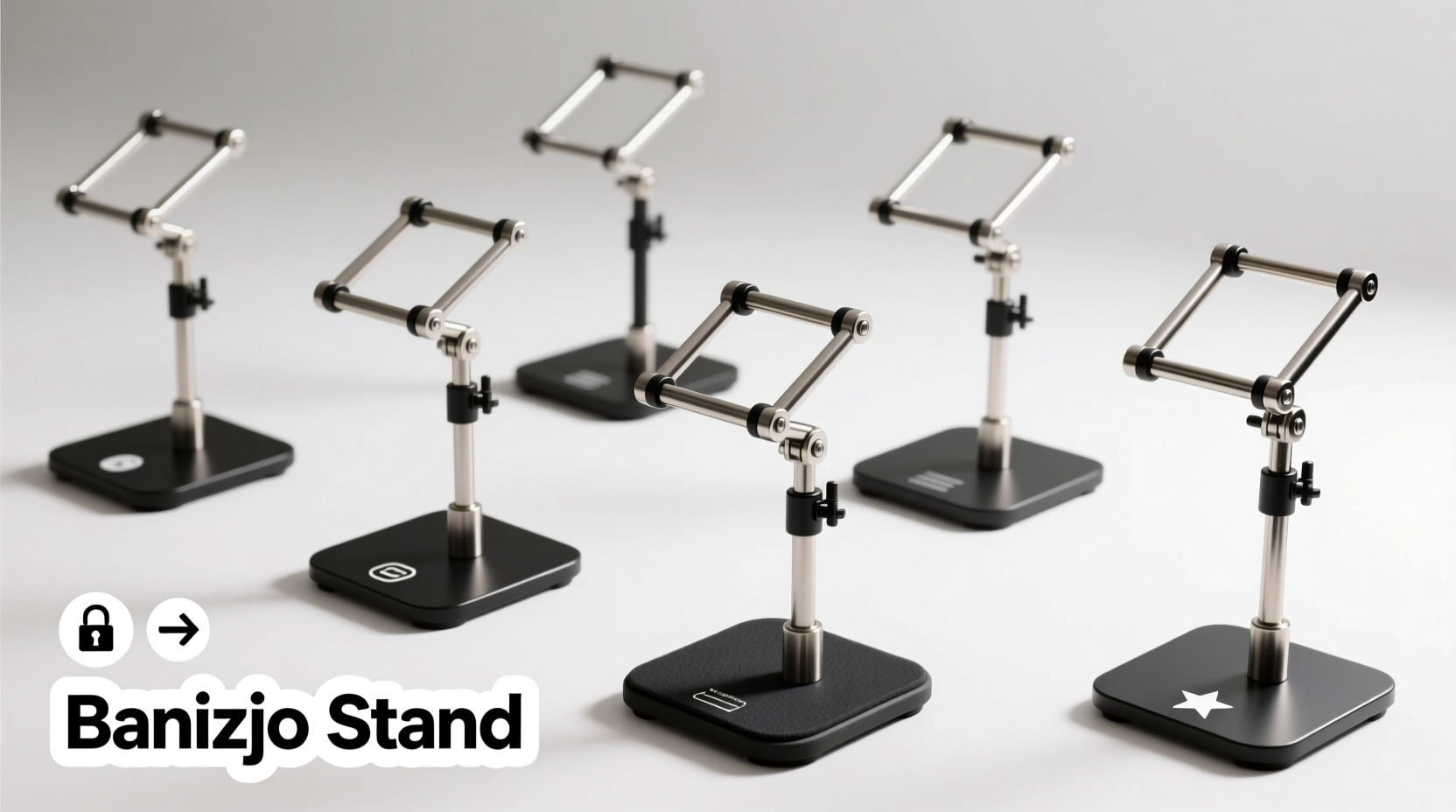
Leaning your banjo against a wall or storing it in its case after every use might seem harmless, but over time, this habit increases the risk of damage. Floors can be uneven, pets or children may knock instruments over, and repeated handling introduces dust, oils, and minor dings. A dedicated stand mitigates these risks by providing a stable, hands-free resting place.
Moreover, having your banjo visibly stored encourages regular playing. When your instrument is out and ready, practice sessions become spontaneous rather than chore-like. As luthier and instrument technician Marcus Bell observes:
“An instrument left in the case too often loses its voice. A good stand invites interaction—and that’s where musical growth begins.” — Marcus Bell, Instrument Restoration Specialist
Key Features to Look for in a Banjo Stand
Before diving into specific models, it’s important to know what makes a stand truly effective. Not all designs accommodate the unique shape and weight distribution of a banjo. Consider these criteria when making your selection:
- Neck Support: A cradle or padded yoke that securely holds the neck without putting pressure on the headstock or strings.
- Bowl Cradle: A contoured base that fits the resonator or pot snugly, preventing tipping.
- Stability: Wide base or tripod design with non-slip feet to prevent wobbling.
- Portability: Lightweight or foldable options ideal for gigging musicians.
- Material Quality: Powder-coated steel, reinforced ABS plastic, or solid wood construction ensures longevity.
- Aesthetics: Sleek finishes (black, chrome, wood grain) that complement your room’s decor.
Top 10 Best Banjo Stands in 2024
| Stand Model | Type | Weight Capacity | Key Feature | Best For |
|---|---|---|---|---|
| Gator GFW-BANJO-SP | Folding Tripod | 15 lbs | Padded neck rest, compact fold | Travel & small spaces |
| On-Stage GB7500W | Wood-Finish Floor | 12 lbs | Natural wood look, wide base | Home display |
| K&M 17590 | Heavy-Duty Metal | 22 lbs | German engineering, ultra-stable | Professional studios |
| Planet Waves PW-STB-03 | Triple-Peg Design | 10 lbs | Soft rubber padding, anti-scratch | Sensitive finishes |
| Musician's Gear SB-100 | Economy Tripod | 12 lbs | Budget-friendly, durable | Beginners |
| Hercules BS439B | Compact Banjo/Mandolin | 8 lbs | Space-saving, auto-grip cups | Multi-instrument players |
| Tune Tech TT-BS1 | Adjustable Cradle | 14 lbs | Customizable fit for different sizes | Vintage or odd-shaped banjos |
| Road Ready RRST-BANJO | Rugged Touring | 18 lbs | Reinforced joints, road-case build | Live performers |
| Jim Dunlop 42 Series | Minimalist Floor | 10 lbs | Low-profile, elegant lines | Modern interiors |
| Harley Benton ST-BJ | Budget Hybrid | 12 lbs | Excellent value, sturdy | Students & hobbyists |
Detailed Highlights
The Gator GFW-BANJO-SP stands out for touring musicians who need reliability without bulk. Its folding tripod legs make it ideal for gig bags, and the padded contact points protect delicate finishes. Meanwhile, the K&M 17590 is the gold standard in German craftsmanship—its extra-wide base and high weight tolerance make it perfect for expensive or large-bodied banjos.
For those prioritizing aesthetics, the On-Stage GB7500W mimics the warmth of real wood while offering synthetic durability. It blends naturally into living rooms or music studios without looking industrial.
Real-World Example: Protecting a Heirloom Instrument
Sarah M., a folk musician from Asheville, NC, inherited her grandfather’s 1947 Vega Whyte Laydie banjo. “I used to leave it on a sofa armrest,” she recalls. “One evening, my dog jumped up and knocked it off. The rim cracked.” After repairing the damage, she invested in a K&M 17590 stand. “Now it sits in my reading nook like a piece of art. I play it almost daily, and I don’t worry about accidents anymore.”
This story underscores a broader truth: emotional and monetary value alike deserve protection. A stand isn’t just functional—it’s a statement of respect for your instrument.
How to Choose the Right Stand for Your Lifestyle
Your ideal banjo stand depends on how and where you use your instrument. Follow this simple checklist to match your needs:
- Assess your space: Small apartment? Opt for a folding or compact model like the Hercules BS439B.
- Consider frequency of use: Daily players benefit from easy-access stands near seating areas.
- Think about transport: Gigging musicians should prioritize lightweight, collapsible designs.
- Match your decor: Wood-finish or minimalist metal stands elevate a room’s ambiance.
- Budget wisely: Spending $30–$60 typically gets a durable, long-lasting stand.
Frequently Asked Questions
Can I use a guitar stand for my banjo?
Some universal stands work, but most guitar stands are designed for different body shapes and center-of-gravity points. Banjo-specific stands provide better neck support and bowl cradling, reducing the risk of tip-overs.
Are folding stands less stable than fixed ones?
Not necessarily. High-quality folding stands like the Gator GFW-BANJO-SP use reinforced hinges and non-slip feet to maintain stability. However, always lock the legs fully and avoid placing on slippery surfaces.
How do I clean and maintain my banjo stand?
Wipe metal stands with a dry or slightly damp cloth. Avoid harsh cleaners that could degrade protective coatings. Check screws and joints every few months to ensure they remain tight, especially on tripods.
Final Recommendations and Action Steps
Choosing the right banjo stand is a small investment with lasting benefits. From preserving finish integrity to inspiring daily play, the best stands merge function and form seamlessly. Based on performance, design, and user feedback, the K&M 17590 and Gator GFW-BANJO-SP emerge as top contenders—one for permanence, the other for mobility.
If you’re still using makeshift solutions, now is the time to upgrade. Visit a trusted music retailer or reputable online store, compare dimensions with your instrument, and choose a stand that reflects both your practical needs and personal style.




 浙公网安备
33010002000092号
浙公网安备
33010002000092号 浙B2-20120091-4
Comments
No comments yet. Why don't you start the discussion?