
Tennis rackets are precision instruments designed for peak performance on the court. Whether you're a weekend player or training daily, protecting your gear during transport is just as important as how you play. Carrying a racket in a backpack may seem convenient, but without proper precautions, it can lead to frame warping, grommet damage, string degradation, or even cracked shafts. The good news? With the right techniques, materials, and awareness, you can safely transport your racket while preserving its integrity. This guide delivers actionable, expert-backed strategies to keep your tennis rackets safe and ready for every match.
Choose the Right Backpack for Tennis Rackets
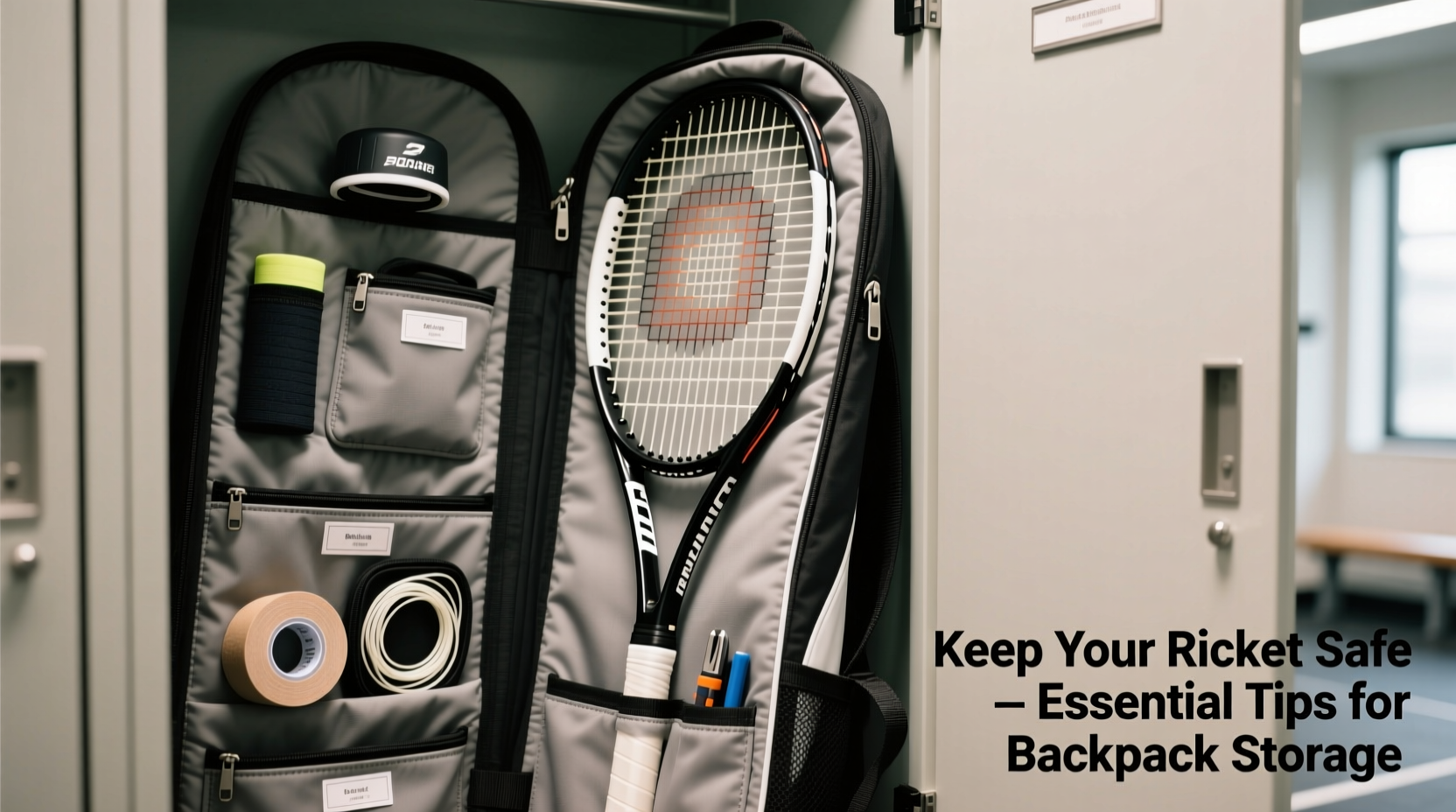
Not all backpacks are created equal when it comes to protecting delicate sports equipment. A standard school or work backpack lacks the structural support and padding needed for a tennis racket. Look for backpacks specifically designed for racquet sports—they often feature dedicated side sleeves with reinforced padding, ventilation, and secure straps to hold rackets upright.
If a sport-specific bag isn’t available, modify your current backpack by selecting one with a long, narrow compartment (like a laptop sleeve) that can accommodate a racket handle-to-head orientation. Avoid stuffing the racket diagonally or bending it at an angle, as this places stress on the throat and shaft.
Use Protective Sleeves or Covers
Even within a padded backpack, direct contact between the racket and other items—keys, water bottles, books—can cause scratches or impact damage. A protective sleeve acts as a first line of defense. These lightweight covers, typically made from neoprene or nylon, cushion the frame and shield the strings from abrasion.
For frequent travelers or those using public transit, consider double-layer protection: a soft sleeve inside a hard-shell case, then placed into the backpack. While this adds bulk, it dramatically reduces the risk of accidental crushing or impact.
“Racket frames are engineered for tension and swing dynamics, not compression. Even minor pressure from stacked items can compromise structural integrity over time.” — Dr. Alan Park, Sports Equipment Engineer
Secure the Racket to Prevent Movement
One of the most overlooked risks is internal movement. A racket shifting inside a backpack during walking, biking, or transit can knock against hard objects or bend under body motion. To minimize this:
- Fill empty space around the racket with soft items like towels, socks, or clothing to act as shock absorbers.
- Use adjustable straps or bungee cords inside the backpack to anchor the grip firmly.
- Avoid placing heavy objects directly on top of the racket compartment.
Think of it like securing fragile cargo: immobilization prevents micro-damage that accumulates over time.
Step-by-Step Guide: Safely Packing Your Racket
- Inspect your racket – Check for loose grommets, frayed strings, or cracks before packing.
- Slide into a protective sleeve – Ensure full coverage from head to handle.
- Select the correct backpack compartment – Use a vertical sleeve if available.
- Insert racket head-first – Keep the frame straight and avoid forcing it.
- Pad surrounding areas – Place soft items on both sides and above the racket.
- Close securely – Zip or buckle the compartment to prevent accidental opening.
- Carry with care – Avoid dropping, leaning the bag against walls, or placing it under seats where it can be stepped on.
Environmental & Handling Risks to Avoid
Temperature extremes and moisture are silent racket killers. Leaving your backpack in a hot car or damp locker room can weaken epoxy bonds in the frame, degrade grip material, and promote string corrosion. Always store your racket in a climate-controlled environment when possible.
Sweat and humidity are particularly harmful. If you’ve just played, wipe down the racket thoroughly before placing it in the backpack. Never leave a wet racket sealed in a non-breathable cover—it invites mold growth and grip deterioration.
| Risk Factor | What Happens | How to Prevent |
|---|---|---|
| High Heat (e.g., car trunk) | Frame warping, glue weakening | Never leave racket in direct sun or hot vehicles |
| Moisture Trapped Inside Bag | Mold, rusted strings, slippery grip | Wipe down after use; use breathable sleeves |
| Pressure from Heavy Items | Shaft bending, grommet strip damage | Do not stack books or weights on top |
| Impact from Drops or Kicks | Cosmetic scratches or structural cracks | Carry bag carefully; avoid floor storage |
Real Example: The Weekend Player’s Mistake
Mark, a recreational player, loved bringing his racket to work so he could head straight to the courts after hours. He used a standard college-style backpack, stuffing his racket diagonally into the main compartment alongside his laptop, lunchbox, and gym clothes. After three months, he noticed the strings were buzzing oddly and the frame felt less stable during volleys. A pro shop inspection revealed micro-cracks near the throat—caused by repeated pressure from the laptop edge pressing against the racket during his commute. Switching to a racquet-specific backpack and adding a neoprene sleeve resolved the issue and extended the life of his next racket by over a year.
Checklist: Safe Racket Transport Routine
- ✅ Use a backpack with a dedicated vertical racket compartment
- ✅ Always use a protective sleeve or cover
- ✅ Insert racket straight—no bending or forcing
- ✅ Pad around the racket with soft items
- ✅ Avoid exposure to heat, cold, or moisture
- ✅ Clean and dry the racket before storing
- ✅ Never check your racket bag as luggage on flights unless in a hard case
- ✅ Inspect your racket monthly for signs of stress or damage
Frequently Asked Questions
Can I carry two rackets in one backpack?
Yes, but only if the backpack has separate compartments or enough width to lay them parallel without pressing against each other. Never stack rackets face-to-face—the strings can tangle and the frames may rub, causing wear. Ideally, use individual sleeves and pad between them.
Is it safe to fly with my racket in a backpack?
It’s risky. Airplane cargo holds experience extreme pressure and temperature changes, and bags are often tossed. If flying, place your racket in a hard-sided travel case. If you must use a backpack, carry it on board and stow it overhead. Never check it unless absolutely necessary—and even then, expect some risk.
How often should I replace my racket cover or sleeve?
Inspect the sleeve every few months. Replace it if it shows signs of tearing, compression loss, or moisture retention. A worn sleeve offers little protection and can trap dirt against the frame.
Final Thoughts: Small Habits, Long-Term Protection
Your tennis racket represents a significant investment in your game. Protecting it during transport isn’t about being overly cautious—it’s about respecting the engineering and craftsmanship that go into every swing. Simple habits like using a sleeve, choosing the right backpack, and avoiding environmental hazards compound over time, preserving performance and delaying costly replacements.




 浙公网安备
33010002000092号
浙公网安备
33010002000092号 浙B2-20120091-4
Comments
No comments yet. Why don't you start the discussion?