
Summer brings sunshine, beach days, and outdoor adventures—but it also exposes your handbags to heat, humidity, UV rays, and sweat, all of which can degrade materials, fade colors, and compromise structure. Whether you own a luxury leather tote, a woven straw clutch, or a sleek synthetic crossbody, seasonal changes demand proactive care. With the right habits, you can preserve both appearance and longevity, ensuring your favorite bags stay in pristine condition through the hottest months.
Understand Your Bag’s Material Vulnerabilities
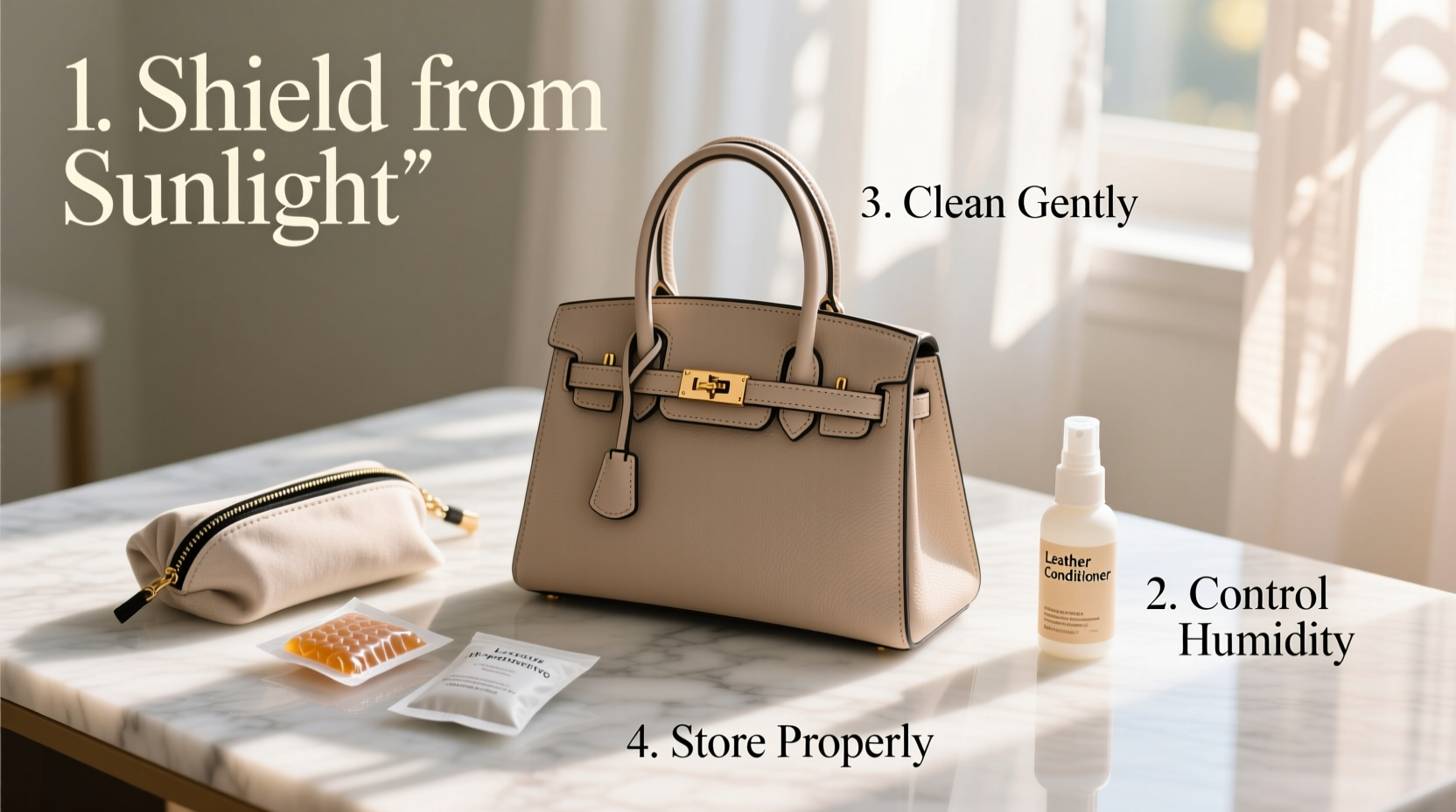
Not all handbags respond the same way to summer conditions. Knowing what your bag is made of helps you tailor your protection strategy. Leather dries out under UV exposure, canvas attracts moisture and mildew, and delicate fabrics like silk or raffia can weaken when wet or overheated.
For example, full-grain leather develops a rich patina over time but suffers when exposed to prolonged sunlight or high humidity. Synthetic materials may resist water but often trap heat, leading to warping or discoloration. Straw and woven bags, popular in warm weather, are especially fragile—moisture causes fibers to swell and rot, while rough handling leads to fraying.
“Material-specific care isn’t just about cleaning—it’s about environmental awareness. A bag left on a sunbaked car seat for weeks will age prematurely, no matter how expensive it is.” — Lena Torres, Handbag Preservation Specialist at The Care Edit
Shield from Heat and Sunlight Exposure
UV radiation is one of the most damaging elements for handbags during summer. Prolonged exposure breaks down dyes, fades pigments, and degrades adhesives used in stitching and hardware. Even indirect sunlight streaming through a car window can raise internal temperatures enough to warp shapes and dry out leather.
To minimize risk, avoid leaving your bag on hot surfaces such as sand, pavement, or car seats. Never store it in a closed vehicle during peak daylight hours. If you're at the beach or poolside, place your bag inside a larger tote or shade cover rather than setting it directly on a towel exposed to sun.
Consider using UV-protective sprays designed for fashion accessories. These products create an invisible barrier that reduces fading and water absorption. However, test any spray on a small, inconspicuous area first—some treatments can alter texture or cause discoloration on delicate finishes.
| Material | Sun Sensitivity | Recommended Protection |
|---|---|---|
| Aniline Leather | High | UV protector + dust bag storage |
| Coated Canvas | Moderate | Avoid direct sun; wipe after use |
| Straw/Rattan | High | Store in shade; never leave damp |
| Synthetic (PU/PVC) | Moderate-High | Keep cool; avoid plastic wrapping |
Prevent Moisture and Sweat Damage
Humidity and perspiration are silent enemies of handbag integrity. Sweat contains salt and oils that can stain linings and corrode metal hardware. High ambient moisture encourages mold growth, particularly in fabric-lined compartments or tightly stored bags.
If you carry your bag daily in humid climates, line the interior with absorbent cloths or silica gel packs to reduce internal dampness. After a long day outdoors, air out your bag in a well-ventilated room—never in direct sunlight. Allow zippers and flaps to remain open so moisture escapes.
Clean exterior surfaces gently with a dry microfiber cloth after each use to remove salt residue and grime. For leather, use a pH-balanced cleaner monthly. Avoid water-based wipes unless specified safe for your material—many contain alcohol or solvents that strip natural oils.
Step-by-Step Guide: Post-Summer Use Care Routine
- Empty all contents and shake out debris.
- Wipe exterior with a soft, dry cloth; use a specialized cleaner if needed.
- Check interior lining for stains or odors; spot clean with mild detergent if necessary.
- Allow the bag to air-dry completely away from heat sources.
- Condition leather areas with a non-greasy cream to restore moisture.
- Stuff with acid-free tissue to maintain shape before storing.
Avoid Overloading and Structural Stress
Summer often means carrying more: sunscreen, sunglasses, water bottles, and extra layers for air-conditioned spaces. But overstuffing stretches seams, distorts handles, and misaligns zippers. Structured bags lose their silhouette, while softer styles sag and develop permanent creases.
Respect your bag’s capacity. Choose a size appropriate for your daily needs instead of forcing too much inside. Distribute weight evenly—place heavier items at the bottom, near the center. If you frequently carry bulky items, consider rotating between two bags to reduce wear on a single piece.
Handle placement matters too. Carrying a shoulder bag on one side consistently creates uneven tension, leading to strap droop or hardware loosening. Alternate sides when possible, or switch to handheld use periodically.
“A handbag is engineered like a garment—every seam, rivet, and panel has a purpose. Overloading disrupts that balance, accelerating wear in critical stress zones.” — Marcus Lee, Design Consultant at Atelier Accessories
Smart Storage During Off-Season Rotation
Rotating your handbags seasonally not only keeps your style fresh but also extends lifespan. Storing summer bags properly ensures they’ll be ready next year without yellowing, odor, or deformation.
Before storing, clean thoroughly and condition leather. Remove straps if detachable to prevent strain. Stuff the interior loosely with acid-free paper or soft cotton cloths to retain shape—never newspaper, as ink can transfer. Place the bag in a breathable dust bag (cotton or linen), never plastic, which traps moisture and promotes mildew.
Store in a cool, dark closet with stable temperature and low humidity. Avoid attics, basements, or near radiators. Keep away from perfumes, mothballs, or strong-smelling items that can seep into fabric and lining.
📋 **Handbag Summer Care Checklist**- ✔️ Clean bag after regular use with a dry microfiber cloth
- ✔️ Apply UV protectant spray (if compatible with material)
- ✔️ Avoid placing on hot surfaces or in direct sun
- ✔️ Rotate usage to prevent overloading one bag
- ✔️ Condition leather every 4–6 weeks during summer
- ✔️ Store in breathable dust bag when not in use
- ✔️ Use silica gel packets to control moisture in storage
Real-World Example: How One Traveler Saved Her Investment Bag
Sophie, a marketing executive based in Miami, owns a cream-colored calfskin shoulder bag she uses frequently for work and weekend outings. Last summer, after several beach trips and outdoor events, she noticed the corners had begun to darken and the handle felt stiff.
She consulted a handbag restoration service, who explained that saltwater spray and sunscreen residue had degraded the finish. Following their advice, Sophie now wipes the bag daily with a specialized leather cloth, applies conditioner biweekly, and stores it in a ventilated cabinet with humidity control. She also keeps a foldable cloth tote in her car to shield the bag when placed on hot seats.
Twelve months later, the bag looks nearly new. “I realized I was treating it like a casual accessory,” she said. “But once I started caring for it like the investment it is, everything changed.”
Frequently Asked Questions
Can I clean my leather handbag with baby wipes?
No. Most baby wipes contain alcohol, fragrance, and preservatives that dry out leather and strip its protective coating. Instead, use a dedicated leather wipe or a slightly damp microfiber cloth followed by conditioning.
How do I remove sweat stains from the interior lining?
For fabric linings, gently dab the area with a cloth dampened with diluted white vinegar (one part vinegar to three parts water). Blot—don’t rub—and let air dry completely. For stubborn stains, consult a professional cleaner familiar with luxury goods.
Is it safe to store multiple bags together?
Only if they’re separated. Stackable bags should be protected with individual dust bags to prevent color transfer, scratching, or hardware snagging. Never store light-colored bags against darker ones.
Preserve Beauty, Extend Life
Your handbag is more than an accessory—it’s a blend of craftsmanship, personal style, and value. Summer doesn’t have to mean sacrifice. By guarding against heat, moisture, and mechanical stress, you protect not just appearance but structural integrity. Small, consistent actions make the difference between a bag that fades in a season and one that becomes a timeless staple.




 浙公网安备
33010002000092号
浙公网安备
33010002000092号 浙B2-20120091-4
Comments
No comments yet. Why don't you start the discussion?