
Gochujang is more than just a condiment—it’s a cornerstone of Korean cuisine, a complex fermented chili paste that delivers heat, sweetness, umami, and depth in a single spoonful. For home cooks seeking bold, layered flavors, understanding gochujang is essential. Whether you’ve encountered it in bibimbap, bulgogi, or Korean-style tacos, this vibrant red paste has quietly become a global pantry staple. Its rise in popularity outside Korea reflects a growing appreciation for fermented, savory-sweet heat—but many still misunderstand its role, misuse it, or substitute incorrectly. This guide demystifies gochujang: what it is, how it’s made, how to use it effectively, and how to store and substitute it without sacrificing authenticity.
Definition & Overview
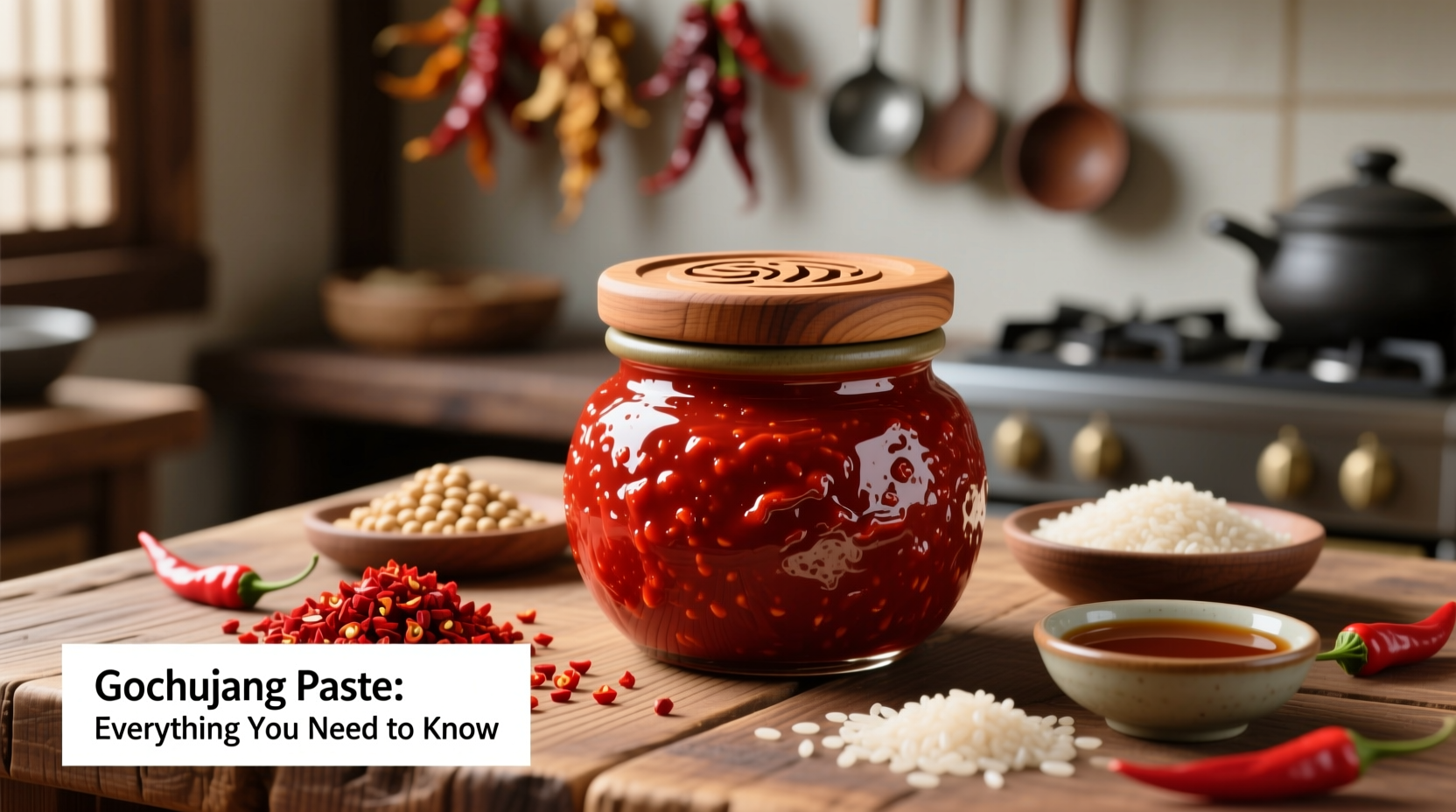
Gochujang (고추장) is a thick, deep-red fermented paste made primarily from red chili powder (gochugaru), glutinous rice (or sometimes barley malt), fermented soybeans (meju powder), and salt. Originating in Korea over 2,000 years ago, it evolved during the Three Kingdoms period as a way to preserve heat and flavor through fermentation. Unlike fresh chili sauces, gochujang undergoes a slow fermentation process—often lasting months or even years—which develops its signature balance of spice, sweetness, and earthy umami.
Categorized as a fermented chili paste, gochujang sits at the intersection of condiment, seasoning, and cooking base. It is not merely spicy; its complexity arises from microbial activity during fermentation, which breaks down starches into sugars and proteins into amino acids like glutamate—the compound responsible for umami. This gives gochujang a rich savoriness akin to miso or aged soy sauce, but with a distinctively fiery kick.
The paste has a dense, almost peanut butter-like consistency when cold, softening at room temperature. Its color ranges from bright crimson to dark brick red, depending on age and brand. While traditionally homemade in earthenware pots (onggi) buried in the ground for temperature stability, modern commercial versions are widely available in supermarkets and online.
Key Characteristics
| Characteristic | Description |
|---|---|
| Flavor Profile | Spicy, sweet, salty, with pronounced umami. Balanced heat with underlying fermented depth. |
| Aroma | Earthy, slightly smoky, with tangy fermentation notes reminiscent of miso or soy sauce. |
| Heat Level (Scoville) | Moderate (3,000–8,000 SHU); less intense than fresh chilies due to sugar and fermentation mellowing the burn. |
| Texture | Thick, viscous, spreadable—similar to tomato paste or miso. |
| Color | Bright to deep red; darkens slightly with age. |
| Culinary Function | Base for marinades, stews, glazes; flavor enhancer; condiment. |
| Shelf Life (unopened) | 1–2 years in cool, dark place. |
| Shelf Life (opened) | 6–12 months refrigerated; may darken or separate slightly—stir before use. |
Practical Usage: How to Use Gochujang in Cooking
Gochujang’s versatility makes it indispensable across cuisines. It functions not only as a standalone condiment but also as a foundational ingredient that builds depth in sauces, marinades, and braises. The key to using it well lies in understanding its dual nature: it contributes both heat and sweetness, so adjustments to sugar and acid may be necessary when substituting or scaling recipes.
As a Marinade Base
One of gochujang’s most effective uses is in meat and seafood marinades. Its enzymes and acidity tenderize proteins while imparting robust flavor. A classic Korean marinade combines gochujang with soy sauce, sesame oil, garlic, ginger, and a touch of honey or pear juice. For example:
- Mix 3 tablespoons gochujang, 2 tablespoons soy sauce, 1 tablespoon rice wine, 1 tablespoon honey, 1 minced garlic clove, and 1 teaspoon grated ginger.
- Add thinly sliced beef or chicken and marinate for at least 30 minutes (up to 4 hours).
- Grill, pan-sear, or broil for a quick, flavorful dish.
This mixture forms the backbone of dishes like dakdoritang (spicy braised chicken) or gochujang-glazed salmon.
In Stews and Braises
Gochujang dissolves beautifully in liquid, making it ideal for stews. In jjigae (Korean stews), it provides body and spice. To make a simple gochujang stew:
- Sauté onions, garlic, and tofu or pork belly.
- Stir in 2–3 tablespoons gochujang until fragrant.
- Add water or broth, vegetables (zucchini, mushrooms, cabbage), and simmer 15–20 minutes.
- Finish with green onions and a drizzle of sesame oil.
The paste emulsifies into the broth, creating a rich, cohesive flavor profile far beyond what dry spices could achieve.
As a Glaze or Sauce
When heated, gochujang caramelizes slightly, forming a sticky, glossy coating perfect for grilled or roasted foods. Combine it with vinegar or citrus juice to cut richness and add brightness. Try this glaze for roasted vegetables or grilled shrimp:
TIP: Balance gochujang’s richness by pairing it with acidic ingredients like rice vinegar, lime juice, or tamarind. A ratio of 2 parts gochujang to 1 part acid prevents cloying sweetness.
Condiment and Dipping Sauce
Thinned with vinegar, oil, or water, gochujang becomes a dynamic dipping sauce. Mix with mayonnaise for a creamy sandwich spread, swirl into ramen, or dollop onto avocado toast for an umami boost. Koreans often serve it alongside raw scallions and ssamjang (a mix of gochujang and doenjang) for wrapping meats in lettuce.
Modern Fusion Applications
Chefs worldwide incorporate gochujang into non-traditional dishes: gochujang aioli on burgers, stirred into mac and cheese, blended into Bloody Mary mix, or used as a pizza base instead of tomato sauce. Its adaptability stems from its balanced flavor chemistry—few other fermented pastes offer such harmony of heat, salt, and sweetness.
Variants & Types of Gochujang
While traditional gochujang remains the standard, several variations exist to suit different dietary needs, flavor preferences, and culinary applications.
| Type | Description | Best Used For |
|---|---|---|
| Traditional Gochujang | Made with glutinous rice, gochugaru, meju powder, salt. Fermented 6+ months. | Authentic Korean cooking, stews, marinades. |
| Rice-Free / Low-Carb Gochujang | Uses alternative starches (tapioca, potato) or no starch; lower sugar. | Keto diets, low-glycemic cooking. |
| Sweetened Gochujang | Contains added sugar or corn syrup; milder, fruitier. | Dipping sauces, beginner-friendly recipes. |
| Organic / Artisanal Gochujang | Small-batch, traditionally fermented, non-GMO ingredients. | Fine dining, flavor-forward applications. |
| Liquid Gochujang (Gochujang Sauce) | Thinned with vinegar or water; pourable consistency. | Drizzling, dressings, marinades. |
Homemade gochujang is possible but requires sourcing authentic ingredients and maintaining sterile conditions during long fermentation. Most home cooks opt for high-quality commercial brands like Chung Jung One, Sempio, or Mother in Law’s Kimchi (which offers a vegan version).
Comparison with Similar Ingredients
Gochujang is often confused with other Asian chili products, but its composition and function differ significantly.
| Ingredient | How It Differs from Gochujang |
|---|---|
| Doenjang (Fermented Soybean Paste) | No chili; purely savory, earthy, and deeply umami. Often mixed with gochujang to make ssamjang. |
| Miso (Japanese) | Typically milder, less spicy, made from rice or barley koji. Lacks gochujang’s heat and red pepper base. |
| Sriracha | Liquid hot sauce; higher vinegar, less fermentation, no umami depth. More acidic and one-dimensional. |
| Harissa (North African) | Oil-based, contains cumin and coriander; smokier, looser texture. Less sweet, more herbaceous. |
| Chili Garlic Paste | Often unfermented; sharp garlic punch, no rice or soy fermentation. More immediate heat, less complexity. |
| Tauchu / Yellow Bean Sauce (Chinese) | Salted yellow soybeans; salty and funky but not spicy. Closer to doenjang than gochujang. |
Unlike sriracha or chili garlic paste, gochujang cannot be substituted volume-for-volume without adjusting sweetness and body. Substituting miso for gochujang will lack heat; using harissa will introduce cumin and lose the fermented sweetness.
Practical Tips & FAQs
Is gochujang very spicy?
Not overwhelmingly so. The heat is moderate and rounded by fermentation and sugar. Many find it more approachable than raw chili peppers or hot sauces. Start with 1 teaspoon per serving and adjust upward.
Is gochujang gluten-free?
Most traditional versions use glutinous rice, not wheat, making them naturally gluten-free. However, check labels for additives or shared equipment. Brands like Mother in Law’s and CJ Haechandle confirm gluten-free status.
Is gochujang vegan?
Yes, traditional gochujang contains no animal products. However, some commercial blends may include fish-derived ingredients or anchovy extract for umami. Always verify the ingredient list if strict veganism is required.
How should I store gochujang?
Unopened, keep in a cool, dark pantry. Once opened, refrigerate in an airtight container. Stir before use if separation occurs. Mold is rare due to high salt and fermentation, but discard if surface growth appears.
Can I substitute gochujang?
Exact substitution is difficult, but acceptable alternatives exist in a pinch:
- Miso + chili flakes + sugar: Mix 1 tbsp white miso, 1 tsp gochugaru or crushed red pepper, 1/2 tsp sugar, 1 tsp water.
- Sambal oelek + soy sauce + honey: 1 tbsp sambal, 1 tsp soy sauce, 1 tsp honey. Less fermented but similar heat-sweet balance.
- Harissa + miso: 1 tbsp harissa, 1/2 tbsp white miso. Adds depth and earthiness.
These mimics approximate flavor but lack true fermentation complexity.
What dishes showcase gochujang best?
Top traditional and modern applications include:
- Bibimbap: Swirl into the bowl for extra depth.
- Tteokbokki: The primary sauce component for chewy rice cakes.
- Bulgogi: Added to marinade for heat and shine.
- Korean Fried Chicken: Coated in gochujang-based glaze after frying.
- Kimchi Jjigae: Enhances existing funk with additional spice and body.
- Vegetable Stir-Fries: Replaces hoisin or oyster sauce for plant-based umami.
Does gochujang expire?
Due to fermentation and high salt content, gochujang has excellent shelf stability. Unopened, it lasts 1–2 years. Opened, it remains safe and flavorful for 6–12 months refrigerated. Flavor may deepen over time, but discard if mold, off-odor, or drastic texture change occurs.
“Gochujang is the soul of Korean flavor. It’s not just heat—it’s history, fermentation, and balance. One spoon transforms a dish from flat to unforgettable.”
— Chef Hooni Kim, Danji Restaurant, New York
Summary & Key Takeaways
Gochujang is a fermented Korean chili paste that delivers a unique trifecta of heat, sweetness, and umami. Made from gochugaru, glutinous rice, fermented soybeans, and salt, it undergoes months of fermentation to develop its complex profile. With a thick texture and deep red hue, it functions as a marinade base, stew thickener, glaze, and condiment.
Its culinary power lies in balance—unlike one-dimensional hot sauces, gochujang enhances rather than overwhelms. It differs from miso, sriracha, and harissa in both composition and application. Variants exist for dietary needs, including gluten-free, low-sugar, and liquid forms.
To use gochujang effectively, pair it with acid to balance sweetness, apply it in moderation, and store it refrigerated after opening. While substitutions are possible, none fully replicate its fermented depth.
Ready to elevate your cooking? Add a jar of gochujang to your pantry and experiment with one new recipe per week—from marinades to salad dressings. Its versatility and depth will transform your everyday meals.




 浙公网安备
33010002000092号
浙公网安备
33010002000092号 浙B2-20120091-4
Comments
No comments yet. Why don't you start the discussion?