
A high-end shopping bag is more than an accessory—it's an investment in craftsmanship, design, and personal style. Whether it’s a timeless piece from Chanel, a structured tote from Céline, or a limited-edition Hermès Birkin, these bags demand thoughtful care to preserve their beauty and value over time. Neglecting maintenance can lead to premature wear, discoloration, and structural damage, diminishing both aesthetic appeal and resale potential. With the right habits and knowledge, however, you can ensure your luxury bag remains pristine for decades.
Understanding Your Bag’s Materials and Construction
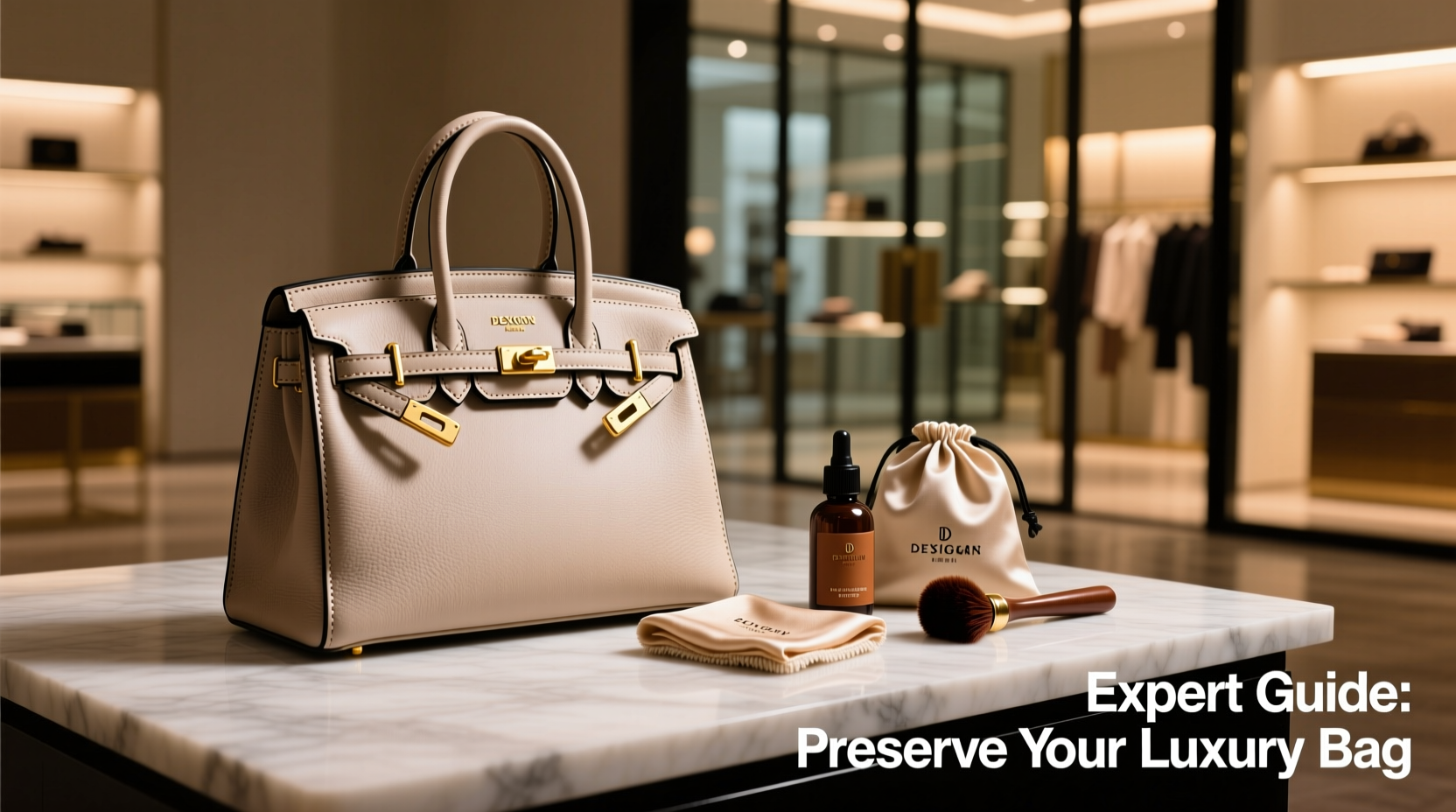
Luxury handbags are crafted from premium materials such as full-grain leather, exotic skins (like crocodile or python), suede, canvas, or textile blends. Each material responds differently to environmental factors and requires specific care protocols. For example, smooth calfskin absorbs oils and moisture easily, while patent leather is prone to cracking if not conditioned regularly. Recognizing your bag’s composition is the first step toward proper maintenance.
Examine the interior lining—often made of cotton, microfiber, or silk—for signs of fraying or staining. Pay attention to hardware details: gold- or silver-plated zippers, clasps, and feet may tarnish or scratch if exposed to moisture or abrasive surfaces. The stitching, especially along handles and stress points, should be inspected periodically for loosening or fraying.
Step-by-Step Cleaning Routine for Longevity
Regular cleaning prevents buildup of dirt, oils, and environmental pollutants that degrade materials over time. Follow this timeline-based approach to keep your bag looking fresh without causing damage:
- Daily: Wipe down exterior surfaces with a soft, dry microfiber cloth after use to remove dust and fingerprints.
- Weekly: Inspect for stains or scuffs. Use a specialized leather wipe (alcohol-free) on smooth leathers only.
- Monthly: Perform a deeper clean using a pH-balanced leather cleaner applied with a lint-free cloth. Avoid soaking the material.
- Every 3–6 Months: Condition leather components to restore natural oils and prevent drying or cracking. Suede and nubuck require a dedicated brush and protector spray.
- Annually: Consider professional servicing, especially for exotic skins or heavily used pieces.
Never immerse a luxury bag in water or use household cleaners like Windex or vinegar solutions. These can strip protective coatings and cause irreversible damage.
Do’s and Don’ts by Material Type
| Material | Do’s | Don’ts |
|---|---|---|
| Smooth Leather | Use leather conditioner every 3 months; store in dust bag | Expose to direct sunlight; use silicone-based polishes |
| Suede/Nubuck | Brush gently with a suede eraser; apply protector spray | Wet thoroughly; use standard leather cleaners |
| Exotic Skins | Keep in climate-controlled space; rotate usage | Allow contact with perfumes or lotions; store folded |
| Canvas/Coated Fabrics | Clean with damp cloth; avoid prolonged sun exposure | Machine wash; scrub aggressively |
| Hardware | Polish with jewelry cloth; keep dry | Use abrasive cleaners; leave wet |
Proper Storage: Preserving Shape and Finish
Improper storage is one of the leading causes of bag degradation. Storing a bag flat or crumpled can distort its structure, while plastic bags trap moisture and encourage mold growth. To maintain shape and finish:
- Always stuff your bag with acid-free tissue paper or soft cloths to support its form—never newspaper, which can transfer ink.
- Store upright in its original dust bag, ideally inside a breathable fabric storage box.
- Keep in a cool, dark, humidity-controlled environment—ideally between 50–70°F (10–21°C) and 40–50% relative humidity.
- Rotate usage among multiple bags to reduce strain on any single piece.
- Remove shoulder straps or handles from hanging hooks, which can stretch delicate attachments.
Real Example: Restoring a Vintage Gucci Tote
Sophia, a collector based in Milan, inherited her mother’s 1990s Gucci canvas tote with red-and-green trim. Though structurally sound, the leather trim had darkened and stiffened due to years of closet storage in a plastic cover. She consulted a specialist restorer who advised removing the plastic, gently cleaning the vachetta leather with a pH-neutral wipe, then applying a cream specifically formulated for untreated Italian leather. After three applications over six weeks, the trim regained its warm honey tone. The bag was then stuffed, placed in a cotton dust bag, and stored horizontally on a shelf away from windows. Today, it’s a centerpiece of her vintage rotation—proof that informed care can revive even long-neglected pieces.
Expert Insight on Preventative Care
“Consistent care and proper storage can double a bag’s lifespan.” — Emma Clarke, Fashion Care Expert and Founder of Luxe Preservation Lab
“Luxury bags are engineered for longevity, but they’re not indestructible. Think of them like fine watches: precision-made, sensitive to conditions, and deserving of ritualized care.” — Antoine Morel, Former Atelier Technician at Hermès Paris
Maintenance Checklist for Every Luxury Bag Owner
Stay proactive with this monthly checklist to protect your investment:
- ✅ Inspect stitching and seams for loose threads or wear
- ✅ Clean exterior with appropriate method for material
- ✅ Condition leather trims and handles (if applicable)
- ✅ Check interior lining for tears or stains
- ✅ Polish hardware with a non-abrasive cloth
- ✅ Replace stuffing if sagging occurs
- ✅ Rotate storage position to prevent flat spots
- ✅ Verify humidity levels in storage area
Frequently Asked Questions
How often should I condition my leather handbag?
Condition smooth and vachetta leathers every 3–4 months, depending on usage. Bags worn daily may need conditioning more frequently, while seasonal or occasional-use bags can go up to six months between treatments. Over-conditioning can weaken fibers, so moderation is key.
Can I repair scratches on hardware myself?
Minor surface scratches on gold or silver hardware can sometimes be buffed with a jewelry polishing cloth. However, deep scratches or peeling plating should be handled by a professional restorer. Attempting DIY fixes with nail polish or paint can devalue the piece permanently.
Is it safe to use waterproofing sprays on luxury bags?
Only use sprays specifically designed for luxury goods and approved for your bag’s material. Generic waterproofing agents may leave residues or alter texture. Test on an inconspicuous area first. Note: Most brands discourage spraying directly on logos or printed canvases.
Protect Your Investment with Intentional Habits
The elegance of a high-end shopping bag lies not just in its initial allure but in its enduring presence in your wardrobe. Lasting beauty comes not from luck, but from discipline—regular care, mindful handling, and intelligent storage. These practices don’t merely extend lifespan; they honor the artistry behind each stitch and panel. A well-maintained bag retains its value, tells a story of stewardship, and continues to elevate every outfit it accompanies.




 浙公网安备
33010002000092号
浙公网安备
33010002000092号 浙B2-20120091-4
Comments
No comments yet. Why don't you start the discussion?