
A color block knitted vest is more than just a fashion statement—it’s a blend of craftsmanship, texture, and bold design that elevates any outfit. Whether worn over a collared shirt in autumn or layered with a turtleneck in winter, these vests combine visual impact with comfort. However, their intricate construction and multi-color stitching make them particularly vulnerable to pilling, fading, and misshaping if not properly cared for. Unlike solid-colored knitwear, color block pieces face additional challenges: contrasting yarns may react differently to washing, and uneven wear can disrupt the garment’s balanced aesthetic. This guide delivers precise, expert-backed methods to keep your vest looking vibrant, structured, and new for seasons to come.
Understanding Your Knit: Fabric Composition Matters
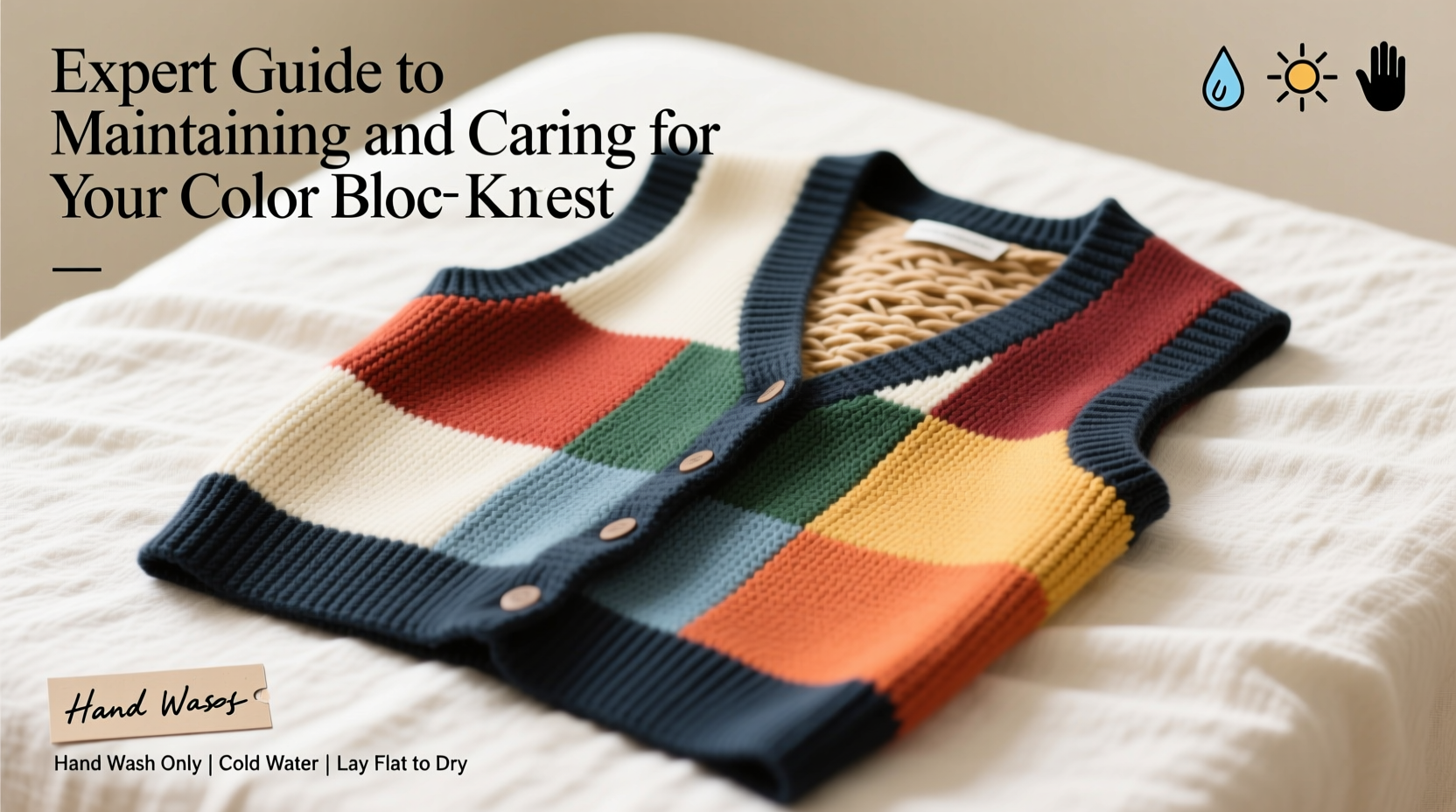
The first step in proper care is knowing what your vest is made of. Most color block knits use blends such as wool-acrylic, cotton-polyester, or merino-silk. Each fiber responds differently to moisture, heat, and friction. For instance, natural fibers like wool are prone to shrinking when exposed to hot water, while synthetic blends resist shrinkage but attract lint and pilling.
Check the care label inside your vest. If it’s missing or unclear, examine the texture and behavior of the fabric:
- Wool or Merino: Soft, warm, slightly elastic; avoid machine agitation.
- Cotton: Breathable and durable but may stretch when wet.
- Acrylic or Polyester: Resilient and colorfast, but prone to static and pilling.
- Blends: Combine benefits but require compromise in care routines.
Mixed fabrics in color block designs mean different sections might behave uniquely during cleaning. A red wool panel could felt while a blue acrylic stripe remains intact—creating an uneven finish.
“Color block knits demand a tailored approach. One-size-fits-all laundering ruins both structure and hue integrity.” — Lena Patel, Textile Conservation Specialist, Royal School of Needlework
Washing: Hand Care Is Non-Negotiable
Machine washing—even on gentle cycles—poses too great a risk for knitted garments. The agitation causes fibers to rub, leading to felting in wool and distortion in seams. Instead, hand washing is the gold standard.
Step-by-Step Washing Routine
- Prepare the solution: Fill a clean basin with lukewarm water (below 30°C / 86°F). Add a small amount of mild detergent formulated for delicates or wool (e.g., Woolite or Eucalan).
- Submerge gently: Turn the vest inside out and fully immerse it. Press down lightly to saturate without twisting.
- Soak for 10 minutes: Let it rest. Do not scrub or agitate.
- Rinse twice: Drain the soapy water and refill with cool, clean water. Repeat until no suds remain.
- Remove excess water: Press the vest against the basin’s side to release water. Never wring.
- Roll in a towel: Lay a dry towel flat, place the vest on top, roll tightly, and press to absorb moisture.
Drying and Shaping: Preventing Distortion
How you dry your vest determines whether it keeps its original silhouette. Hanging stretches shoulder seams and elongates the body. Instead, lay flat on a mesh drying rack or a fresh towel, reshaping it to match the original dimensions.
Align the armholes, smooth the collar, and ensure color panels lie evenly. Rotate the piece halfway through drying to promote even airflow. Avoid direct sunlight or radiators, which fade colors and weaken fibers.
Drying time varies by thickness: lightweight cotton blends may dry in 8–12 hours, while dense wool takes 24–48 hours. Patience prevents mold and ensures structural stability.
Storage Solutions to Preserve Color and Form
Improper storage leads to yellowing, moth damage, and creasing that disrupts the clean lines of color blocking. Follow these guidelines to protect your investment.
| Do | Don’t |
|---|---|
| Fold neatly and store in a breathable cotton bag | Hang long-term—causes shoulder bumps |
| Place in a cool, dark drawer with cedar blocks | Store in plastic bins—traps moisture |
| Interleave with acid-free tissue paper | Stack heavy items on top—creates permanent creases |
| Rotate position seasonally | Leave in damp basements or attics |
In humid climates, add silica gel packets to absorb excess moisture. For vintage or heirloom vests, consider archival boxes with UV-filtering lids.
Dealing with Pilling and Fuzz: Restoration Without Damage
Pilling is inevitable in knits, especially at friction points like underarms and waistbands. On color block vests, aggressive removal can pull loose threads from one panel into another, creating snags. Use precision tools only.
- Lint roller: Gentle on surface pills; best for synthetic blends.
- Electric fabric shaver: Use on low setting, moving in one direction only.
- Knit comb: Ideal for wool; comb lightly against the grain.
Never cut pills with scissors—this risks cutting the base fabric. After de-pilling, steam lightly with a garment steamer held 15 cm away to relax fibers.
Mini Case Study: Reviving a Heirloom Vest
Sophie, a stylist in Edinburgh, inherited a 1970s color block vest from her grandmother. The mustard and navy stripes had faded slightly, and pilling covered the front. She avoided washing it for years, fearing damage. When she finally followed a professional restoration process—hand washing in pH-neutral soap, air drying flat, and using a rotary fabric shaver on the lowest setting—the vest regained its crisp appearance. By storing it in a lined cedar drawer with lavender sachets, she prevented further deterioration. Two years later, it remains a centerpiece in her curated wardrobe.
Seasonal Maintenance Checklist
To stay ahead of wear, follow this seasonal routine:
- Inspect for loose threads or weak seams.
- Test colorfastness on inner seams before spot cleaning.
- Hand wash or refresh with a fabric spray between deep cleans.
- Reshape and re-store after each wear season.
- Rotate with other knitwear to reduce strain.
FAQ: Common Concerns Answered
Can I machine wash my color block vest if I use a mesh bag?
No. Even in a mesh bag, the tumbling action stresses seams and causes differential shrinkage across color panels. Hand washing is the only safe method for long-term preservation.
Why are some colors fading faster than others?
Dye lots and fiber absorption vary. Darker dyes (like navy or burgundy) often fade slower than bright hues (yellow, pink). Exposure to sunlight accelerates this imbalance. Always dry in shade and rotate the garment when storing.
How do I fix a pulled thread without unraveling the whole panel?
Use a crochet hook size 0.75mm. Gently tug the loop back through to the underside, then secure the end inside the seam allowance. Do not cut the thread—this weakens the surrounding stitches.
Final Thoughts: Care as an Act of Style
A color block knitted vest represents intentionality—in design, in color theory, in personal expression. Caring for it isn’t merely maintenance; it’s an extension of that intention. Every hand wash, careful fold, and mindful storage decision honors the craftsmanship behind the garment. With consistent attention, your vest will retain its vibrancy, structure, and character far beyond the typical lifecycle of fast fashion.




 浙公网安备
33010002000092号
浙公网安备
33010002000092号 浙B2-20120091-4
Comments
No comments yet. Why don't you start the discussion?