
Tweed dog vests offer a classic blend of style, insulation, and ruggedness, making them ideal companions for dogs during cold winter months. Woven from wool or wool-blend fibers, tweed naturally repels light moisture, traps heat efficiently, and resists wear when properly cared for. However, like any high-quality textile, its longevity depends on consistent and informed maintenance. Whether your dog hikes through snowy trails or strolls through city parks, preserving the integrity of their tweed vest ensures both comfort and performance season after season.
Unlike synthetic fabrics that can be machine-washed without consequence, tweed demands a more thoughtful approach. Improper cleaning or storage can lead to shrinkage, pilling, or fiber degradation. This guide provides actionable, expert-backed strategies to keep your dog’s tweed vest warm, functional, and looking sharp—without compromising its natural properties.
Understanding Tweed: Why It Needs Special Care
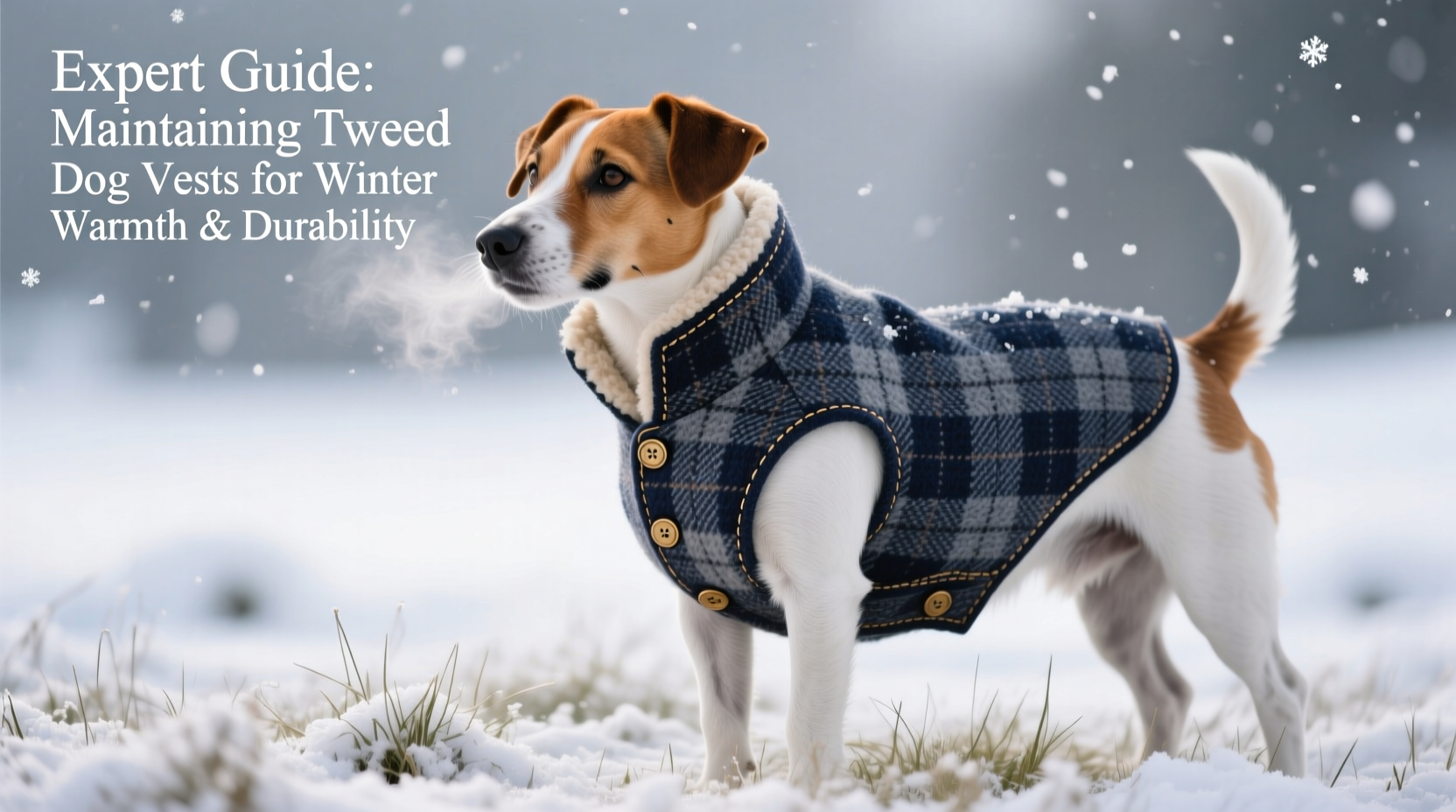
Tweed is traditionally made from tightly woven wool, often with a herringbone or checkered pattern. Its structure creates small air pockets that trap body heat, providing excellent thermal insulation. The natural lanolin in wool also offers mild water resistance, helping to shed light snow or drizzle. However, these same qualities make tweed sensitive to heat, agitation, and prolonged moisture exposure.
When wool fibers are exposed to hot water or mechanical stress (like tumbling in a dryer), they can felt—meaning the fibers interlock and shrink irreversibly. Additionally, dirt and oils from your dog’s coat can break down lanolin over time, reducing water resistance and increasing odor retention. That’s why proactive, gentle care is essential.
“Tweed’s durability isn’t just in its weave—it’s in how it’s treated. A well-maintained tweed vest can last five years or more, even with weekly use.” — Dr. Fiona MacLeod, Textile Conservation Specialist, Edinburgh Wool Institute
Step-by-Step Guide to Cleaning Your Dog’s Tweed Vest
Cleaning should be done only when necessary—typically every 4–6 weeks during heavy winter use or immediately after exposure to mud, salt, or strong odors. Over-cleaning strips natural oils and stresses fibers.
- Inspect and Shake Out Debris: Remove loose dirt, leaves, or burrs by hand. Use a soft-bristle clothes brush to gently lift surface grime along the nap of the fabric.
- Spot Clean First: Mix a teaspoon of pH-neutral wool detergent (like Eucalan or Woolite) with one cup of cool water. Dip a clean cloth into the solution and dab stained areas—never rub, as this can cause felting.
- Air Dry Thoroughly: Lay the vest flat on a clean towel away from direct heat or sunlight. Reshape it to maintain fit and allow 24–48 hours for full drying. Never hang, as wet wool can stretch under its own weight.
- Deodorize Naturally: If the vest smells musty but isn’t visibly dirty, place it in a sealed container with baking soda for 12 hours, then air out for an hour before use.
- Deep Clean Only When Needed: For full cleaning, hand wash in cool water (below 30°C/86°F) with wool-safe detergent. Submerge and gently press—do not twist or wring. Rinse twice in clean, cool water.
Do’s and Don’ts of Tweed Vest Maintenance
| Do | Don’t |
|---|---|
| Brush regularly with a soft clothes brush | Use a lint roller (can pull fibers) |
| Store in a breathable cotton bag | Store in plastic (traps moisture) |
| Use cedar blocks to deter moths | Use mothballs (harsh chemicals damage wool) |
| Repair small tears promptly | Machine wash or dry |
| Rotate between multiple vests | Leave damp vest bunched in a laundry basket |
Real Example: How One Owner Extended Her Dog’s Vest Life by 4 Years
Sarah Thompson, a hiking guide in Vermont, uses tweed vests for her two border collies during winter expeditions. After noticing pilling and stiffness in her first vest within a year, she consulted a local wool artisan. Following a revised routine—brushing after every hike, spot cleaning monthly, and storing with cedar—the next vest lasted four winters with minimal wear.
“I used to toss the vest in with my laundry,” Sarah says. “Now I treat it like my own wool jacket. The difference in texture and fit is night and day.” She attributes the extended lifespan to avoiding heat, rotating gear, and using a fabric shaver sparingly to remove pills without damaging the base material.
Preserving Durability: Repair and Reinforcement Tips
Even with careful use, tweed vests may develop frayed seams, loose buttons, or small holes—especially around harness openings or leg straps. Addressing these early prevents further damage.
- Reinforce Stress Points: Sew a small patch of matching twill or felt inside high-friction zones (underarms, chest strap). Use a whipstitch with waxed thread for durability.
- Fix Loose Buttons: Replace missing fasteners with horn or wooden buttons, which grip better than plastic and reduce snagging.
- Mend Tears with Invisible Stitching: Use a fine needle and wool thread to perform a ladder stitch along small rips. Pull gently to close gaps without puckering.
- Refresh Water Resistance: Once a season, apply a natural wool conditioner or lanolin spray to restore water-repellent properties.
“Small repairs aren’t just cosmetic—they redistribute tension across the garment. A single loose seam can double strain on adjacent stitches.” — Marcus Reed, Pet Gear Artisan, Portland, OR
Frequently Asked Questions
Can I machine wash a tweed dog vest if it’s labeled ‘washable wool’?
Only if the label explicitly permits machine washing on a wool cycle with cold water and low spin. Even then, place the vest in a mesh laundry bag and avoid agitation. Hand washing remains the safest method.
How do I remove ice melt stains from pavement?
Salt residue can corrode fibers and irritate your dog’s skin. As soon as possible, brush off dried crystals and spot clean with a vinegar-water mix (1 part white vinegar to 3 parts cool water). Rinse thoroughly with a damp cloth and air dry.
Is it safe to use a fabric shaver on tweed?
Yes, but cautiously. Use a low-speed fabric shaver designed for wool, and move in the direction of the weave. Test on an inconspicuous area first. Overuse can thin the fabric and weaken insulation.
Checklist: Monthly Tweed Vest Maintenance Routine
- ☐ Brush vest to remove dirt and loose hair
- ☐ Inspect seams, buttons, and straps for wear
- ☐ Spot clean any stains or salt marks
- ☐ Check for moth signs (tiny holes, webbing)
- ☐ Air out in shaded, ventilated area
- ☐ Apply lanolin spray if needed
- ☐ Rotate to alternate vest if available
Conclusion: Make Care a Habit, Not a Chore
Maintaining a tweed dog vest doesn’t require specialized tools or hours of effort—it requires consistency and respect for the material. By integrating simple habits like brushing, spot cleaning, and proper drying, you preserve both the function and elegance of this timeless fabric. Your dog stays warm, you extend the life of a quality investment, and you reduce waste by avoiding premature replacements.




 浙公网安备
33010002000092号
浙公网安备
33010002000092号 浙B2-20120091-4
Comments
No comments yet. Why don't you start the discussion?