
Choosing the right dog toy isn’t just about color or squeakiness—it’s about matching the toy to your dog’s breed-specific traits, size, energy level, and natural instincts. A toy that works for a Border Collie may be destroyed in minutes by a Rottweiler or ignored entirely by a Basset Hound. Understanding your dog’s breed tendencies helps you select safe, engaging, and durable toys that support mental stimulation, physical health, and behavioral balance.
Understand Your Dog’s Breed-Specific Needs
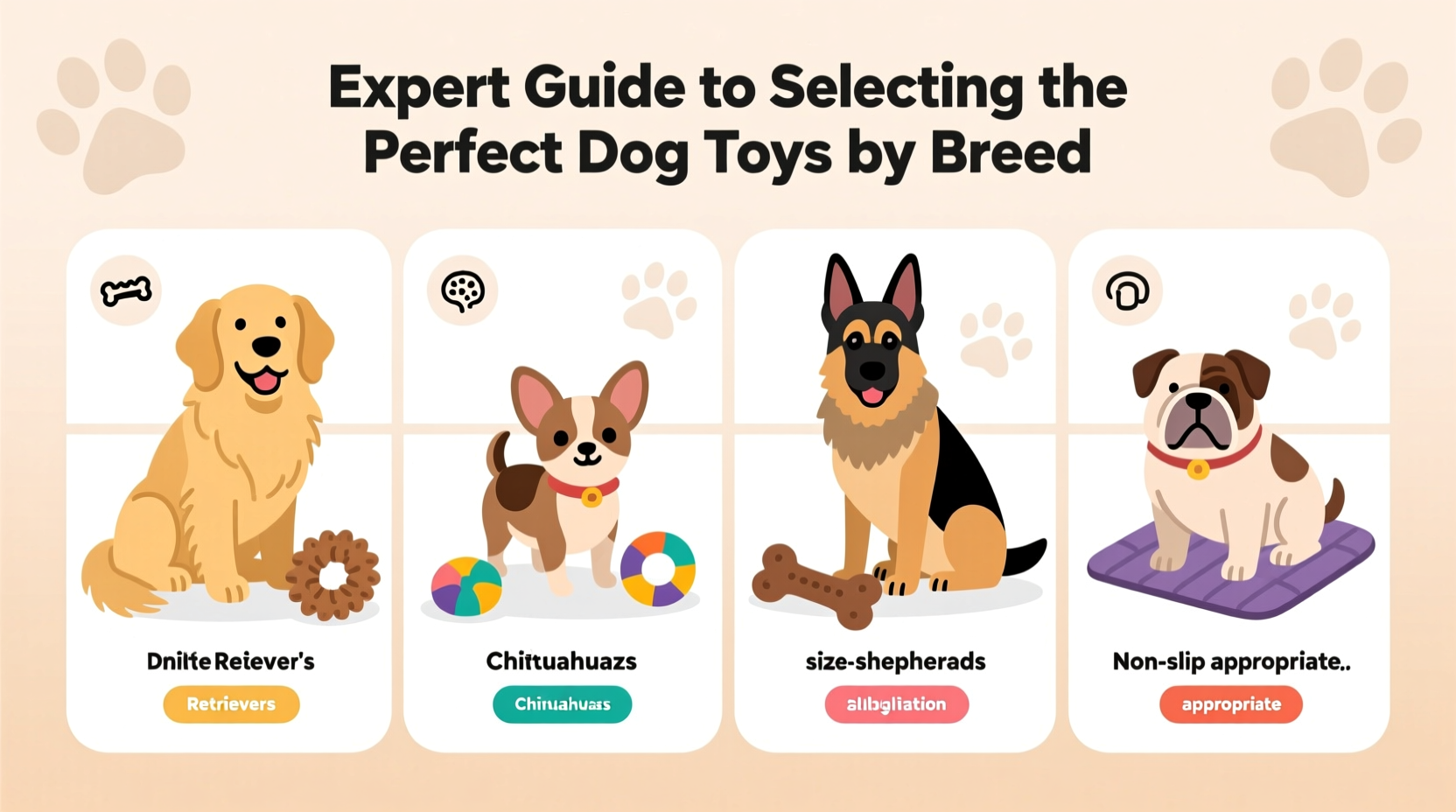
Different breeds were developed for different purposes—herding, guarding, retrieving, hunting—and these roles shape their behavior today. A toy that aligns with your dog’s innate drives will keep them engaged longer and reduce destructive behaviors born from boredom.
- Herding breeds (e.g., Australian Shepherd, Border Collie): These dogs thrive on tasks. Toys that challenge their problem-solving skills—like puzzle feeders or interactive treat dispensers—are ideal.
- Terriers (e.g., Jack Russell, Scottish Terrier): Natural diggers and hunters. They love toys they can “kill,” such as plush animals with squeakers or crinkle sounds.
- Retrievers (e.g., Labrador, Golden Retriever): Built to fetch. Durable balls, floating toys, and rope tugs satisfy their retrieving instincts.
- Sighthounds (e.g., Greyhound, Whippet): Chase-driven. Lightweight, fast-moving toys like flirt poles or soft discs work best.
- Bulldogs and brachycephalic breeds (e.g., Pug, French Bulldog): Lower stamina but still need mental engagement. Soft chew toys and slow-feed puzzles are safer choices.
- Working breeds (e.g., German Shepherd, Siberian Husky): High energy and intelligence. Rotate durable chew toys, tug ropes, and scent games to prevent boredom.
Size, Strength, and Safety Considerations
A toy that’s too small can become a choking hazard; one that’s too weak won’t survive even moderate chewing. Size and strength must dictate material choice.
Small dogs like Chihuahuas or Cavalier King Charles Spaniels don’t need industrial-strength rubber, but they still require non-toxic materials and no loose parts. Large, powerful chewers like Pit Bulls or Mastiffs demand high-density rubber or reinforced nylon.
“Many owners underestimate how quickly a strong dog can dismantle a flimsy toy. Always err on the side of durability.” — Dr. Lena Torres, Veterinary Behaviorist
Toy Material Guide by Chew Strength
| Chew Strength | Recommended Materials | Examples |
|---|---|---|
| Light (e.g., Shih Tzu) | Fleece, soft rubber, fabric | Kong Puppy, Outward Hound plush |
| Moderate (e.g., Beagle) | Standard rubber, rope, vinyl | Tennis ball, rope knot toy |
| Powerful (e.g., Doberman) | High-density rubber, nylon, ballistic polyester | Kong Extreme, GoughNuts ring |
| Aggressive (e.g., American Bully) | Reinforced rubber, metal-core chew toys | West Paw QROK, Tough Jawz Rhino Ring |
Always supervise playtime with new toys, especially for aggressive chewers. Replace any toy with sharp edges, broken pieces, or detached squeakers immediately.
Step-by-Step: How to Choose the Right Toy for Your Breed
- Identify your dog’s primary drive: Is it chasing, chewing, solving, or fetching? Observe their favorite activities.
- Assess their size and jaw strength: Measure their mouth width and research average bite force for their breed.
- Select 2–3 toy types: One for mental stimulation (puzzle), one for physical play (tug or fetch), and one for solo chewing.
- Test under supervision: Introduce one toy at a time. Watch for interest level and safety concerns.
- Rotate weekly: Keep toys fresh by rotating them every 5–7 days. Store unused ones out of sight.
Real Example: Choosing Toys for a Young Border Collie
Mia, a 10-month-old Border Collie, was tearing up shoes and barking excessively at the fence. Her owner assumed she just needed more walks. But after consulting a trainer, they realized Mia’s herding instincts weren’t being met.
The solution? A rotation system: a flirt pole for daily chase sessions, a Kong Wobbler for breakfast feeding, and a durable tug-of-war rope for structured play. Within two weeks, destructive behaviors dropped significantly. Mia wasn’t just tired—she was mentally fulfilled.
This case highlights a key principle: the right toy doesn’t just entertain—it fulfills a biological need.
Checklist: Before You Buy Any Dog Toy
- ✅ Matches my dog’s breed-specific instincts (fetching, chewing, problem-solving)
- ✅ Appropriate size—cannot fit entirely in the mouth or throat
- ✅ Made from non-toxic, durable materials
- ✅ No small, detachable parts (eyes, squeakers, buttons)
- ✅ Suitable for my dog’s current life stage (puppy, adult, senior)
- ✅ Washable or easy to clean
- ✅ Passed the “bend test”—flexible enough not to crack teeth, firm enough to resist shredding
Frequently Asked Questions
How do I know if a toy is safe for my puppy?
Puppies explore with their mouths and have delicate teeth. Choose soft rubber toys labeled “puppy-safe” and avoid hard nylon or compressed rawhide. The toy should indent slightly when pressed—if it’s rock-hard, it could damage developing teeth.
Can I give my dog human-made stuffed animals?
Generally, no. Most store-bought plush toys contain plastic eyes, fiberfill stuffing, or zippers that pose choking or intestinal blockage risks. Only use pet-specific plush toys designed for dogs, preferably with double-stitched seams and minimal loose parts.
How often should I replace dog toys?
Inspect toys weekly. Replace any with frayed ropes, cracked rubber, exposed stuffing, or broken components. Heavy chewers may need replacements every few weeks; light users can enjoy toys for months.
Final Thoughts: The Right Toy Builds a Healthier, Happier Dog
Selecting the perfect dog toy isn’t guesswork—it’s strategy. When you align a toy with your dog’s breed, size, and natural behaviors, you’re not just buying a distraction. You’re supporting their mental well-being, preventing destructive habits, and strengthening your bond through appropriate play.
Don’t settle for generic picks from the bargain bin. Invest time in understanding what your dog truly needs, then choose wisely. Rotate, supervise, and reassess as your dog grows or their interests change.




 浙公网安备
33010002000092号
浙公网安备
33010002000092号 浙B2-20120091-4
Comments
No comments yet. Why don't you start the discussion?