
Suede is a luxurious, soft material that adds sophistication and style to any wardrobe. However, its delicate nature makes it prone to stains, water damage, and matting if not properly cared for. Unlike smooth leather, suede has a napped finish that absorbs moisture and dirt more readily, making maintenance essential. With the right techniques and consistent care, your suede jacket can maintain its rich texture and appearance for years. This guide delivers expert-backed strategies to protect, clean, and preserve your investment.
Understanding Suede: Why It Needs Special Care
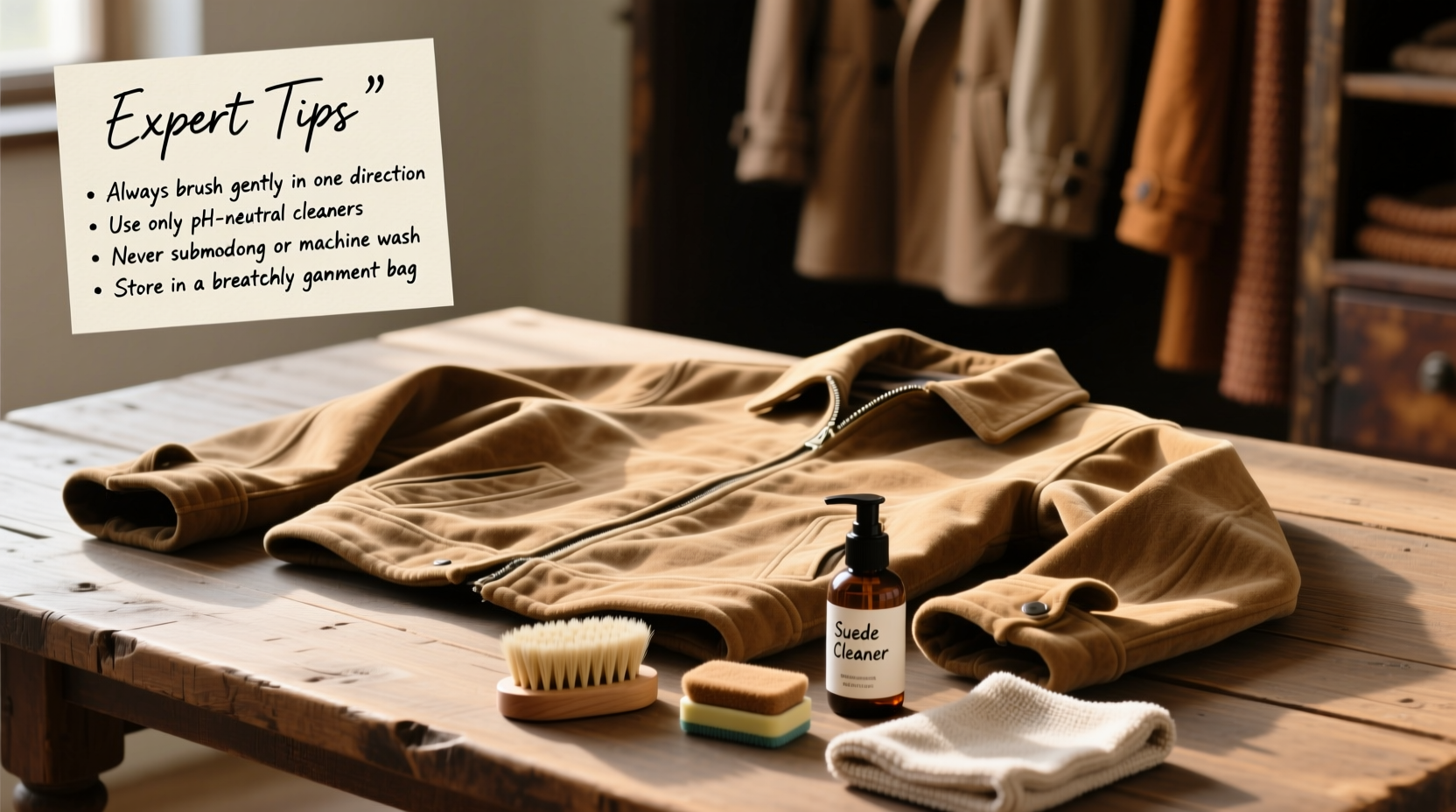
Suede is made from the underside of animal hides, typically lamb, goat, or calf. The surface is brushed during production to create a soft, velvety nap. This texture gives suede its signature look and feel but also makes it vulnerable to abrasion, moisture, and oil-based stains. Unlike full-grain leather, which has a protective outer layer, suede lacks a sealed surface, meaning spills and humidity can quickly penetrate and leave lasting marks.
Because of this porous structure, traditional leather cleaners or household wipes can ruin suede by leaving residue, discoloration, or stiff patches. Cleaning requires specialized tools and gentle methods. Regular maintenance—not just deep cleaning—is what keeps a suede jacket looking fresh and prevents irreversible damage.
“Suede isn’t high-maintenance if you understand its needs. A few minutes of prevention beats hours of repair.” — Daniel Reyes, Textile Restoration Specialist
Step-by-Step Guide to Routine Maintenance
Maintaining your suede jacket doesn’t require intensive effort—just consistency. A simple weekly or biweekly routine can prevent buildup and refresh the fabric’s appearance.
- Brush After Wearing: Use a suede brush (with brass or rubber bristles) to gently lift the nap and remove surface dust. Always brush in one direction to avoid damaging fibers.
- Check for Spots: Inspect areas prone to soiling—collars, cuffs, pockets—for early signs of staining or oil transfer.
- Aerate Between Wearings: Hang the jacket on a wide, padded hanger in a well-ventilated area for several hours after use to release moisture and odors.
- Use a Suede Eraser: For light scuffs or marks, gently rub the affected area with a suede eraser or clean pencil eraser. This lifts flattened fibers without chemicals.
- Revive the Nap: After erasing or brushing, use a steamer on low heat from 6–8 inches away to slightly moisten the fibers, then immediately brush again to restore loft.
Do’s and Don’ts of Suede Care
Avoiding common mistakes is as important as following proper care steps. Below is a comparison of recommended practices versus harmful habits.
| Do’s | Don’ts |
|---|---|
| Use a suede-specific protector spray before first wear | Wear in heavy rain or snow without protection |
| Store on a broad, padded hanger in a breathable garment bag | Compress or fold the jacket for long-term storage |
| Clean small stains immediately with a dry method | Apply water or liquid cleaner without testing first |
| Vacuum gently with a brush attachment to remove embedded dust | Use a lint roller or sticky tape (can pull fibers) |
| Take to a professional for oil or water stains | Scrub aggressively with a rough cloth or sponge |
Real Example: Recovering a Coffee-Stained Collar
Mark, a marketing executive, spilled coffee on his navy suede jacket during a morning commute. Instead of ignoring it or wiping with a wet cloth, he acted quickly. He blotted the excess with a clean, absorbent towel, then sprinkled a thin layer of cornstarch over the damp spot to draw out moisture and oils. After letting it sit overnight, he brushed the powder away with a suede brush. Though a faint shadow remained, the stain was significantly reduced. He then took the jacket to a specialty cleaner who used solvent-based treatments to fully restore the area. Because Mark didn’t panic and apply water, the damage was minimal and reversible.
This case illustrates how immediate, correct response prevents permanent damage—even with challenging stains.
Deep Cleaning Techniques for Tough Stains
When routine brushing isn’t enough, deeper intervention may be required. Not all stains are treated the same way, and choosing the wrong method can cause more harm than good.
- Water Spots: Dampen the entire affected area evenly with distilled water using a spray bottle, then blot and air-dry flat. This evens out discoloration caused by uneven drying.
- Oil or Grease: Cover the stain with cornstarch or talcum powder and let sit for 24 hours. Reapply if needed. Vacuum gently afterward. For persistent stains, consult a professional.
- Ink Marks: Lightly dab with a cotton swab dipped in rubbing alcohol—but only on an inconspicuous test area first. If no discoloration occurs, carefully work outward from the center.
- Mud: Let it dry completely, then brush off with a suede brush. Avoid wetting the area until dry, as mixing water with mud creates a paste that sets deeper.
Seasonal Storage Checklist
Storing your suede jacket properly between seasons is critical to preventing creases, mold, and pest damage. Follow this checklist before putting it away:
- ✅ Clean the jacket thoroughly—never store dirty suede.
- ✅ Refresh the protective spray coating.
- ✅ Place on a wide, padded hanger to maintain shoulder shape.
- ✅ Cover with a breathable cotton garment bag (never plastic).
- ✅ Store in a cool, dry closet away from direct sunlight.
- ✅ Add cedar blocks (not mothballs) to deter pests naturally.
- ✅ Check every 6–8 weeks for moisture or odor development.
“Improper storage is the leading cause of premature suede deterioration. Breathability and climate control matter more than people realize.” — Lena Cho, Luxury Garment Conservator
Frequently Asked Questions
Can I wear my suede jacket in the rain?
Light mist is manageable if the jacket is treated with a waterproofing spray, but prolonged exposure to rain is not recommended. Water causes staining, warping, and fiber breakdown. If caught in the rain, let the jacket dry naturally at room temperature—away from heaters—and brush the nap once fully dry.
How often should I reapply suede protector spray?
Reapply every 4–6 weeks with regular use, or before each season. High-exposure environments (city commutes, humid climates) may require monthly applications. Always spray in a well-ventilated area and allow 24 hours to cure before wearing.
Is it safe to machine wash a suede jacket?
No. Machine washing will destroy the nap, cause shrinking, and lead to irreversible stiffness or cracking. Suede must be cleaned by hand using dry methods or by a professional specializing in delicate fabrics.
Final Thoughts: Make Care a Habit, Not a Chore
Your suede jacket is more than an outer layer—it’s a statement piece that reflects taste and attention to detail. Its longevity depends not on luck, but on consistent, informed care. By integrating simple habits like brushing, spot treatment, and proper storage into your routine, you preserve both beauty and function. Remember, suede rewards patience and gentle handling. Avoid quick fixes and harsh products; instead, invest in the right tools and knowledge.




 浙公网安备
33010002000092号
浙公网安备
33010002000092号 浙B2-20120091-4
Comments
No comments yet. Why don't you start the discussion?