
A garden print silk scarf is more than an accessory—it’s a wearable piece of art. Delicate florals, intricate botanical patterns, and the luxurious drape of silk make these scarves timeless additions to any wardrobe. But their beauty demands thoughtful care. Silk is sensitive to heat, light, and chemicals, while printed designs can fade or bleed if mishandled. Without proper maintenance, even high-quality scarves lose their luster, soften unevenly, or develop permanent creases. The good news? With the right approach, you can preserve both vibrancy and softness for years. This guide delivers expert-backed strategies to protect your investment and enjoy your silk scarf in peak condition.
Understanding Silk and Print Sensitivity
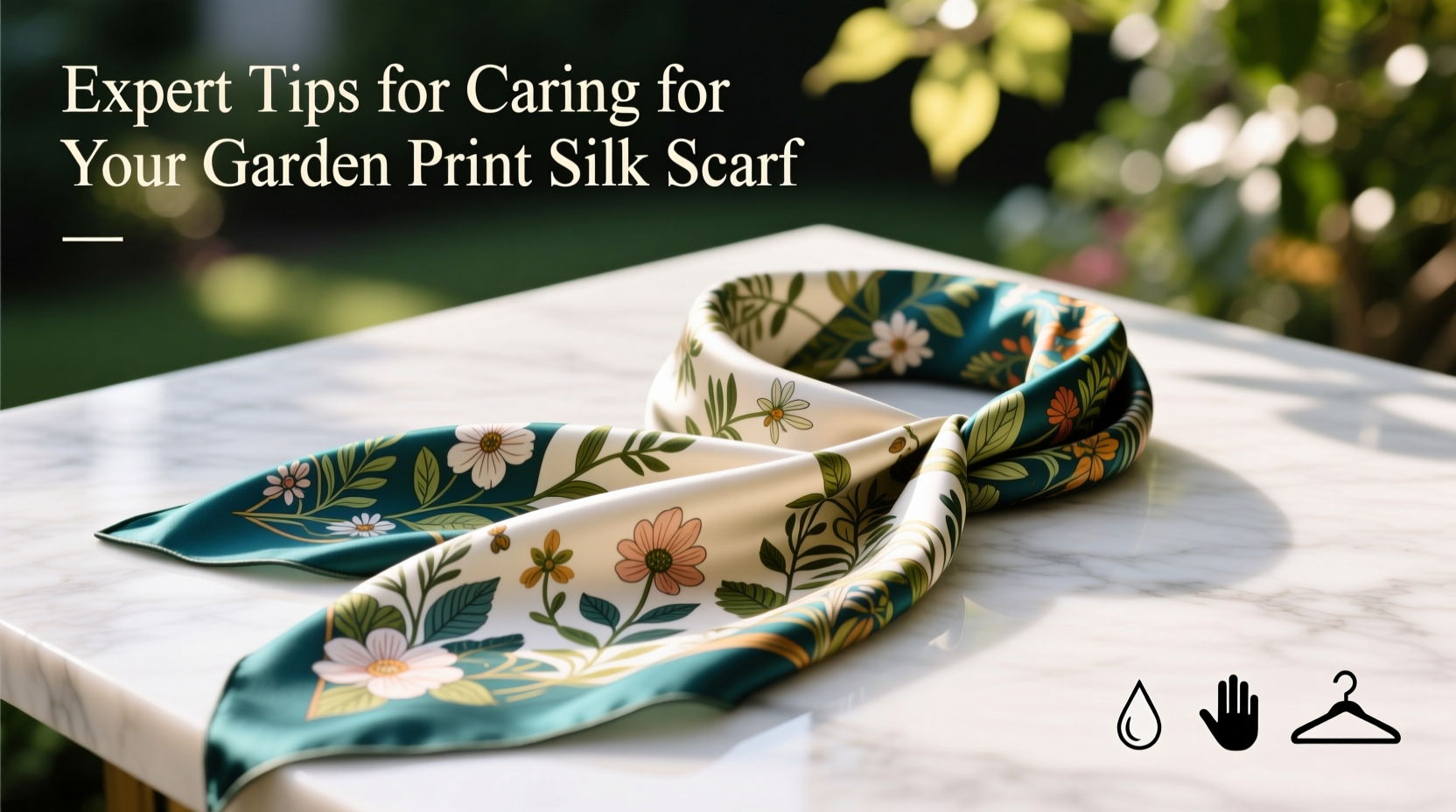
Silk is a natural protein fiber derived from silkworms, prized for its strength, sheen, and breathability. However, its delicate structure reacts strongly to environmental stressors. Garden prints—often created using reactive dyes or digital printing—are especially vulnerable because the pigments bond chemically to the fiber surface. Excessive washing, exposure to UV rays, or friction can break down these bonds, leading to fading, bleeding, or dullness.
Additionally, silk fibers swell when wet and are prone to weakening under alkaline conditions. Harsh detergents or hot water can strip natural oils, causing brittleness and loss of softness. Recognizing these vulnerabilities allows for smarter care decisions that align with the material’s biology rather than fight against it.
“Silk isn’t fragile—it’s responsive. Treat it with precision, and it will reward you with decades of elegance.” — Lena Moreau, Textile Conservator at the Paris Museum of Fashion
Washing: How to Clean Without Compromising Quality
Most garden print silk scarves should be hand washed only. Machine washing—even on gentle cycles—creates agitation that leads to snags, warping, and dye migration. Dry cleaning may seem like a safe alternative, but many solvents degrade silk over time and can yellow lighter shades.
Step-by-Step Guide: Hand Washing Your Silk Scarf
- Prepare a clean basin with lukewarm water (never above 30°C / 86°F).
- Add a pH-neutral silk detergent (e.g., The Laundress Silk Shampoo or Eucalan). Avoid regular laundry detergents or dish soap.
- Submerge the scarf gently, allowing it to soak for 3–5 minutes. Do not rub, twist, or wring.
- Rinse twice in fresh, cool water until no suds remain.
- Press out excess water by laying the scarf on a clean towel and rolling it up lightly. Never squeeze.
- Reshape and dry flat away from direct sunlight or heat sources.
Drying and Ironing: Preserving Softness and Drape
Improper drying causes wrinkles and weakens fibers. Always air-dry your silk scarf flat on a clean towel or mesh rack. Hanging wet silk stretches the fabric along gravity lines, distorting the print alignment and creating misshapen edges.
Ironing requires caution. Use the lowest heat setting labeled for silk, preferably with a steam function. Always iron on the reverse side of the print to prevent shine marks or pigment damage. For best results, place a pressing cloth (like muslin or a thin cotton pillowcase) between the iron and scarf.
| Action | Recommended Method | Avoid |
|---|---|---|
| Drying | Flat on clean towel, shaded area | Hanging, radiators, direct sun |
| Ironing | Low heat, reverse side, pressing cloth | Dry ironing, high heat, direct contact |
| Stain Removal | Blot with silk-safe solution | Bleach, alcohol wipes, vigorous rubbing |
Storage Solutions That Prevent Damage Over Time
Long-term storage is where many silk scarves suffer unseen harm. Exposure to light, moisture, and pressure all contribute to deterioration. Cedar-lined closets, while great for wool, emit oils that can stain silk. Plastic bags trap humidity, encouraging mildew.
Fold scarves loosely and store them in breathable cotton pouches or acid-free tissue paper inside a dark drawer. If stacking, place heavier items on top to avoid deep creasing. Alternatively, roll scarves around cardboard tubes to minimize fold lines—ideal for preserving printed motifs across seams.
Mini Case Study: Reviving a Heirloom Garden Scarf
Maria inherited a vintage 1970s garden print silk scarf from her grandmother. Stored folded in a cedar chest for 20 years, it emerged with yellowed edges and stiff texture. She consulted a textile restorer who advised a single rinse in lukewarm water with a drop of silk conditioner. After careful flat drying and steaming, the scarf regained much of its original softness. Though some fading remained, the central floral motif stayed vibrant thanks to consistent prior storage in darkness. Maria now keeps it rolled in a linen box and displays it only during short indoor events.
Prevention Checklist: Daily Habits for Lasting Beauty
- Apply perfumes, lotions, and hairspray before wearing the scarf to avoid chemical contact.
- Avoid wearing silk scarves in heavy rain or high-humidity environments.
- Remove promptly after wear to reduce exposure to body oils and sweat.
- Store separately from jewelry or rough fabrics to prevent snags.
- Limit direct sun exposure—especially during outdoor wear or display.
- Wash only when necessary; spot clean in between.
- Use silk-specific detergents and avoid fabric softeners.
Frequently Asked Questions
Can I machine wash a silk scarf labeled “dry clean only”?
No. Even if the fabric seems durable, the print and finish are designed for professional handling. Machine agitation risks fraying, shrinking, and color distortion. Hand washing with silk-safe products is acceptable only if you accept slight risk and test on an inconspicuous edge first.
Why does my silk scarf feel rough after washing?
This usually happens when tap water contains minerals or chlorine that bond to silk proteins. It can also result from using alkaline detergents. Try rinsing with distilled water and adding a capful of white vinegar to restore softness—this helps remove residue and reseal fibers.
How often should I wash my garden print silk scarf?
Only when visibly soiled or after extended wear. Most scarves need cleaning once every 10–15 wears. Frequent washing accelerates wear. Airing out between uses is often sufficient.
Caring for Color: Protecting the Garden Print
The vivid greens, pinks, and blues in garden prints are achieved through precise dye application. To maintain intensity:
- Always wash in cold water to prevent dye lift.
- Turn the scarf inside out before washing to shield the printed surface.
- Never soak for longer than 5 minutes.
- Avoid mixing with other garments that might bleed.
For extra protection, consider a silk fabric protector spray designed for delicate materials. These create an invisible barrier against moisture and light without altering texture.
Conclusion: Elevate Your Scarf Care Routine
Your garden print silk scarf deserves care that honors its craftsmanship. By understanding silk’s nature, adopting gentle cleaning habits, and storing with intention, you preserve not just appearance but emotional value. Whether worn weekly or reserved for special moments, a well-maintained silk scarf remains soft, radiant, and true to its original design. Make these practices part of your routine—your collection will thank you.




 浙公网安备
33010002000092号
浙公网安备
33010002000092号 浙B2-20120091-4
Comments
No comments yet. Why don't you start the discussion?