
In today’s fast-paced professional world, carrying a small work bag isn’t just about utility—it’s a reflection of personal style, organizational habits, and daily priorities. Whether you're navigating a bustling city commute, hopping between meetings, or working remotely from a café, the right small work bag keeps essentials secure, accessible, and stylish. But with countless options in materials, silhouettes, and features, how do you find the one that truly fits? The answer lies in balancing practicality with personality. This guide delivers expert-backed insights to help you make a confident, informed choice.
Assess Your Daily Carry Needs First
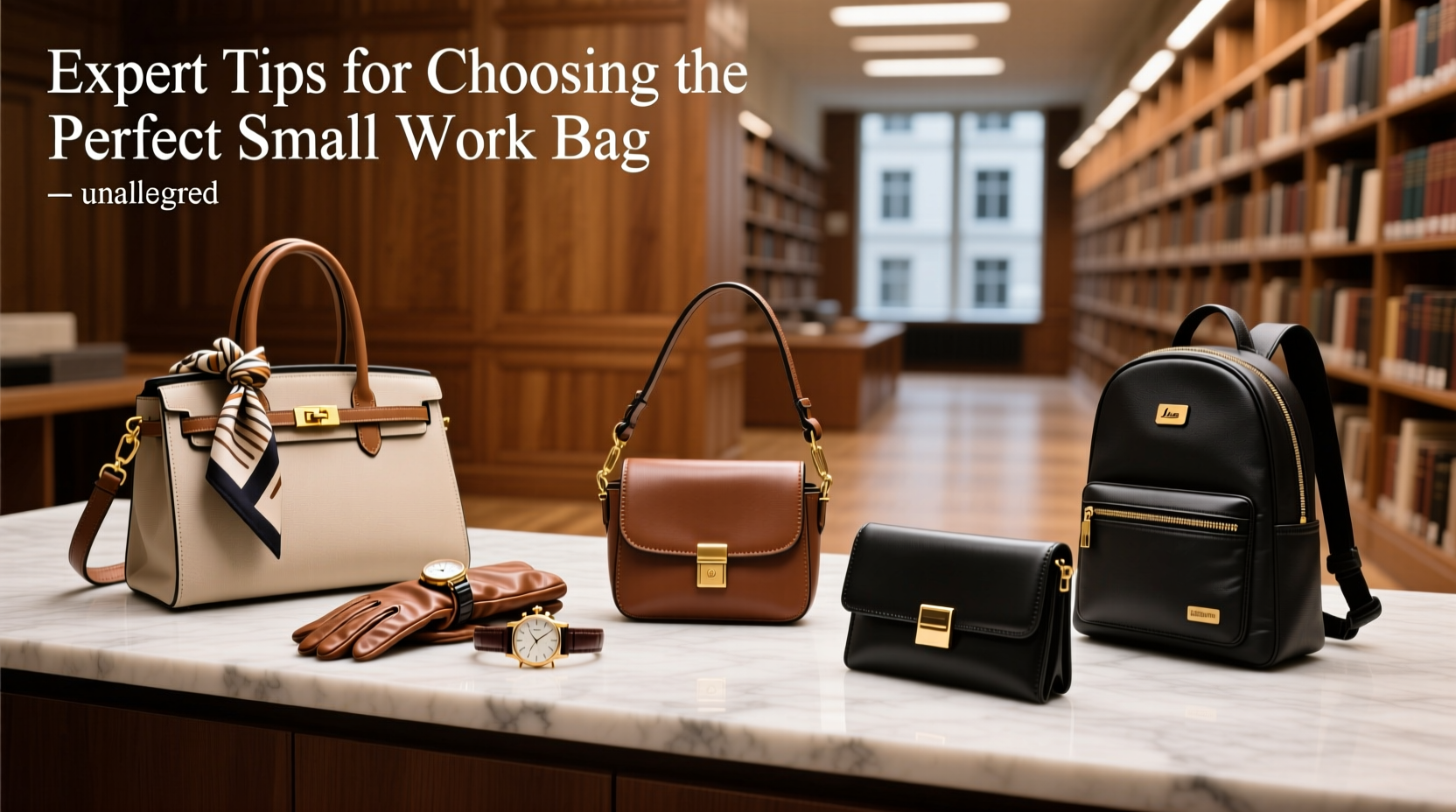
Before falling for sleek designs or trending colors, start by evaluating what you actually carry every day. A minimalist may only need space for a phone, wallet, and keys, while another might require room for a tablet, notebook, charger, and pens. Overpacking a small bag leads to strain on zippers and seams, while underusing a larger one defeats the purpose of going compact.
Make a list of your non-negotiables:
- Laptop or tablet (and its dimensions)
- Notebook or planner size
- Charging cables and power bank
- Water bottle or travel mug compatibility
- Extra layer (scarf, cardigan)
A common mistake is prioritizing aesthetics over capacity. While a slim crossbody looks elegant, it may not accommodate a 13-inch laptop sleeve. Always test real-world usability, not just visual appeal.
Material Matters: Durability Meets Design
The material of your work bag influences longevity, weight, weather resistance, and maintenance. Each has trade-offs:
| Material | Pros | Cons | Best For |
|---|---|---|---|
| Full-Grain Leather | Durable, ages beautifully, water-resistant over time | Heavy, expensive, requires conditioning | Long-term investment, formal settings |
| Cotton Canvas | Lightweight, breathable, eco-friendly | Stains easily, less structured | Casual workplaces, summer use |
| Nylon or Polyester | Weatherproof, lightweight, affordable | Less premium feel, can show wear | Urban commuters, rainy climates |
| Synthetic Vegan Leather | Eco-conscious option, consistent texture | Prone to cracking, lower breathability | Fashion-forward professionals |
“Choose a material that matches your environment. If you walk through rain often, avoid untreated canvas. If you value patina and longevity, go for full-grain leather.” — Marcus Reed, Product Designer at UrbanTote Co.
Design Features That Enhance Functionality
A well-designed small work bag should support your workflow, not hinder it. Look beyond color and shape to consider these functional elements:
- Compartmentalization: Dedicated sleeves for laptops, tablets, and phones prevent scratches and improve organization.
- Security: Lockable zippers, RFID-blocking pockets, and anti-theft designs add peace of mind in crowded areas.
- Comfort: Padded straps, adjustable lengths, and balanced weight distribution reduce shoulder strain during long commutes.
- Access: Top handles for quick grab-and-go, side pockets for easy water bottle access, or magnetic closures for frequent use.
For those who switch between sitting at a desk and standing in transit, a convertible design—such as a crossbody with removable shoulder strap or fold-over tote—offers maximum versatility.
Matching Bag Style to Professional Identity
Your work bag subtly communicates professionalism, creativity, or efficiency. Consider the culture of your workplace and industry norms:
- Corporate or Finance: Structured satchels or brief-inspired crossbodies in black, navy, or brown leather convey authority.
- Creative Fields: Textured fabrics, bold colors, or asymmetrical shapes allow for self-expression without sacrificing function.
- Tech or Startups: Minimalist backpacks or hybrid totes with tech compartments align with modern, mobile workflows.
Color psychology plays a role too. Neutral tones (beige, gray, olive) are timeless and pair easily with any outfit. Bright accents (terracotta, cobalt) energize your look but may not be office-appropriate everywhere.
“A bag should complement your wardrobe like a good blazer—not overpower it, but elevate the whole ensemble.” — Lena Park, Stylist & Wardrobe Consultant
Step-by-Step Guide: How to Choose Your Ideal Small Work Bag
Follow this logical sequence to narrow down your options efficiently:
- Inventory your essentials. List everything you carry daily and measure the largest items.
- Define your primary use case. Commute? Client meetings? Hybrid work? This determines size and protection level needed.
- Set a realistic budget. Quality small bags range from $80–$400. Invest more if used daily for years.
- Shortlist 3–5 styles (e.g., crossbody, mini tote, sling, backpackette) based on comfort and access preferences.
- Filter by material and color according to climate, maintenance tolerance, and wardrobe alignment.
- Check reviews for real-world feedback on durability, strap comfort, and pocket layout.
- Purchase from a brand with return policy—try it with your actual load before finalizing.
Real-World Example: Choosing the Right Bag for a Freelance Designer
Sophie, a freelance graphic designer based in Portland, needed a small bag for client visits and co-working spaces. She carried a 12.9” iPad Pro, sketchbook, stylus, AirPods, and reusable coffee cup. Initially drawn to a chic vegan leather tote, she found it lacked padding and spilled contents when set down quickly.
After reassessing, she chose a water-resistant nylon sling with a padded tablet sleeve, front organizer panel, and adjustable strap. Though less “fashion-forward,” it stayed balanced on her shoulder and survived drizzly bike rides. The muted sage green matched her aesthetic while being practical. Six months later, it showed no signs of wear—a testament to thoughtful selection over impulse.
Essential Checklist Before Buying
Use this concise checklist to ensure your small work bag meets all criteria:
- ✅ Fits your largest device (laptop/tablet) with slight clearance
- ✅ Has at least one secure zippered compartment
- ✅ Includes interior pockets for organization
- ✅ Strap is adjustable and comfortable for extended wear
- ✅ Material suits your climate and lifestyle
- ✅ Weight feels light when empty (under 2 lbs ideal)
- ✅ Color coordinates with at least three work outfits
- ✅ Brand offers warranty or repair service
Frequently Asked Questions
Can a small bag really hold everything I need for work?
Yes—if you curate your carry. Focus on essentials: phone, wallet, laptop/tablet, charger, and one notebook. Use cloud storage to minimize physical files. A well-organized small bag encourages efficiency and reduces clutter.
Is leather worth the extra cost for a small work bag?
It depends on usage. If you expect daily use over several years, full-grain leather develops character and outlasts synthetic alternatives. However, if you prefer rotating styles seasonally or live in a wet climate, high-quality nylon or waxed canvas may offer better value.
What’s the difference between a crossbody and a sling bag?
Crossbody bags distribute weight diagonally across the torso and typically sit at the hip. Slings usually close over the chest with a shorter strap and offer quicker access. Slings are better for active movement; crossbodies provide more stability and traditional styling.
Final Thoughts: Make It Work for You
The perfect small work bag doesn’t exist in a vacuum—it exists in harmony with your routine, body, and taste. Prioritize function without sacrificing form, and remember that the best accessory is one you’re excited to use every day. Whether you lean toward minimalist elegance or rugged urban practicality, let intentionality guide your choice. A thoughtfully selected bag becomes more than a container; it becomes an extension of your professional self.




 浙公网安备
33010002000092号
浙公网安备
33010002000092号 浙B2-20120091-4
Comments
No comments yet. Why don't you start the discussion?