
Earrings are among the most worn and visible jewelry pieces, yet they often receive less care than necklaces or rings. Their small size and frequent exposure to skin oils, hair products, and environmental pollutants make them prone to tarnishing, dullness, and damage. Whether your collection includes delicate diamond studs, vintage gold hoops, or elegant pearl drops, proper cleaning and storage are essential to preserving their brilliance and longevity. With the right techniques, you can maintain that just-purchased sparkle without costly professional services.
The Importance of Regular Earring Maintenance
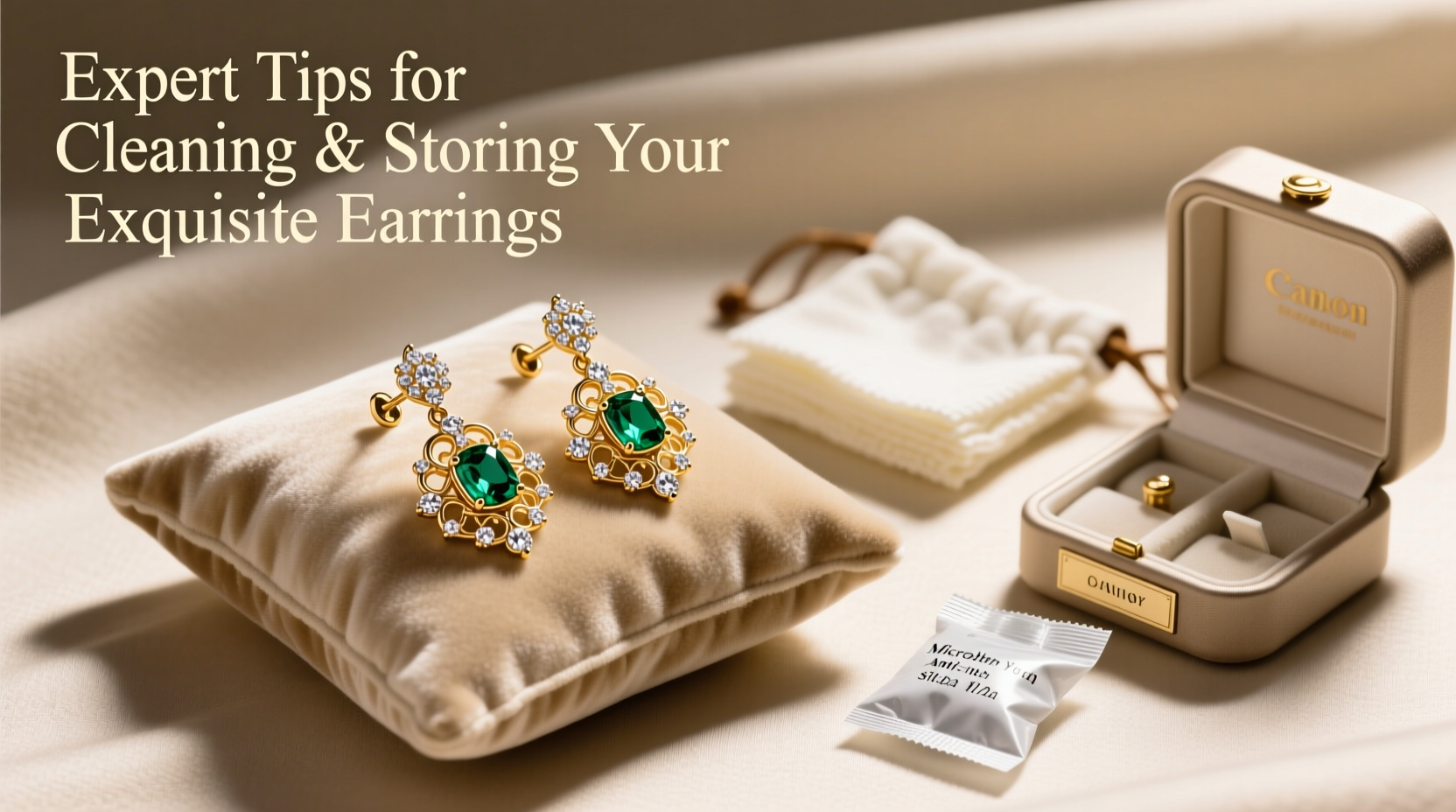
Unlike larger jewelry items, earrings sit in close contact with the skin and earlobes, making them susceptible to buildup from sebum, makeup, hairspray, and sweat. Over time, this residue clouds gemstones, dulls metal finishes, and may even lead to corrosion—especially in costume or silver pieces. Regular maintenance prevents long-term damage and ensures hygiene, reducing the risk of irritation or infection during wear.
Professional jeweler and heritage jewelry restorer Clara Mendez explains:
“Daily-worn earrings accumulate more grime than people realize. A simple weekly wipe can prevent years of embedded dirt that even ultrasonic cleaners struggle to remove.” — Clara Mendez, Certified Jewelry Conservator
Step-by-Step Guide to Cleaning Different Earring Types
Not all earrings respond well to the same cleaning method. Materials vary widely—from precious metals and gemstones to organic elements like pearls—and each requires a tailored approach.
1. Gold and Platinum Earrings with Gemstones
These high-value pieces benefit from gentle but effective cleaning.
- Prepare a solution of warm water and a few drops of mild dish soap.
- Soak the earrings for 15–20 minutes to loosen debris.
- Use a soft-bristled toothbrush (dedicated to jewelry use) to gently scrub around settings and under stones.
- Rinse thoroughly under lukewarm running water.
- Dry completely with a lint-free microfiber cloth before storing.
2. Sterling Silver Earrings
Silver naturally tarnishes when exposed to air and sulfur compounds. Prevent excessive oxidation with routine care.
- Clean using a silver polishing cloth after every few wears.
- For deeper cleaning, use a commercial silver dip solution for no more than 10 seconds—then rinse and dry immediately.
- Avoid abrasive materials that scratch the surface.
3. Pearl and Organic Gemstone Earrings
Pearls, coral, and amber are sensitive to chemicals, heat, and acidity. They require the gentlest treatment.
- Wipe with a slightly damp, soft cloth after each wear.
- Never submerge in water or expose to perfumes, lotions, or hairsprays.
- Store separately to avoid scratches from harder materials.
Do’s and Don’ts of Earring Care
| Do | Don't |
|---|---|
| Remove earrings before showering, swimming, or applying skincare products | Wear earrings while sleeping or exercising |
| Clean earrings weekly if worn frequently | Use paper towels or rough fabrics to polish—these can scratch metal |
| Check earring backs and clasps monthly for wear | Store earrings loose in a drawer where they can tangle or get crushed |
| Use a soft brush to clean hard-to-reach crevices | Expose pearls or enamel to household cleaners or ultrasonic machines |
| Keep a small jewelry cleaning kit in your bathroom or vanity | Soak earrings with glued components or unknown stone settings |
Optimal Storage Solutions for Long-Term Protection
How you store your earrings is as important as how you clean them. Poor storage leads to tangling, scratching, loss of backs, and accelerated tarnishing.
Consider these storage strategies based on your collection type:
- Jewelry Boxes with Compartments: Ideal for stud earrings. Look for padded inserts or individual slots to prevent rolling and scratching.
- Earring Trees or Stands: Great for display and airflow. Choose tarnish-resistant materials like ceramic or lacquered wood.
- Hanging Organizers with Clear Pockets: Perfect for hoop and dangle earrings. Allows visibility and prevents tangling.
- Tarnish-Proof Bags: For silver or easily oxidized pieces, store in anti-tarnish pouches lined with protective fabric.
Real Example: How Sarah Saved Her Heirloom Hoops
Sarah inherited a pair of 1940s gold filigree hoops from her grandmother. Initially, she wore them weekly but noticed darkening and a musty odor after six months. She stopped wearing them, fearing damage. After consulting a local jeweler, she learned the buildup was due to trapped hair product and lack of airflow in her cluttered jewelry box.
Following a professional deep clean, Sarah adopted a new routine: she wipes the earrings with a treated cloth after each wear, stores them upright in a ventilated compartment, and polishes them monthly. Two years later, the hoops remain radiant and are now safely passed down to her daughter—with care instructions included.
Essential Earring Care Checklist
Follow this checklist monthly to keep your earrings in top condition:
- ✅ Inspect each earring for loose stones, bent posts, or damaged clasps
- ✅ Clean all frequently worn pairs with appropriate method
- ✅ Replace missing or stretched earring backs
- ✅ Wipe down storage containers to remove dust and residue
- ✅ Rotate rarely worn pieces into regular use to prevent prolonged stagnation
- ✅ Verify that gem settings are secure—tap gently on glass; rattling indicates looseness
Frequently Asked Questions
How often should I professionally clean my earrings?
For high-value or intricate pieces, an annual professional cleaning and inspection is recommended. If worn daily, consider biannual service. Professionals use steam or ultrasonic tools safely and check for structural weaknesses invisible to the naked eye.
Can I use rubbing alcohol to disinfect earring posts?
Yes—but with caution. Dip only the metal post (not the decorative part) in 70% isopropyl alcohol for 30 seconds to sanitize. Rinse with water if the earrings will be worn immediately, especially if you have sensitive ears. Do not use on pearls, enamel, or plated finishes.
Why do my silver earrings tarnish so quickly?
Tarnishing accelerates due to humidity, exposure to sulfur (found in some foods and rubber), and body chemistry. Store silver in airtight containers with anti-tarnish strips, and wear regularly—paradoxically, the friction from wearing helps slow oxidation.
Final Thoughts: Make Care a Seamless Habit
Maintaining exquisite earrings doesn’t require hours of effort—just consistency and attention to detail. By integrating quick cleaning rituals into your nightly routine and choosing smart storage solutions, you protect both the aesthetic and emotional value of your pieces. Remember, the sparkle isn’t just in the metal or gemstone; it’s in the care you invest.




 浙公网安备
33010002000092号
浙公网安备
33010002000092号 浙B2-20120091-4
Comments
No comments yet. Why don't you start the discussion?