
Plush lined snow boots are a winter essential, combining insulation, comfort, and protection from the elements. But even the highest-quality boots can degrade quickly without proper care. Moisture, salt, dirt, and improper storage can compromise their structure, reduce warmth, and shorten lifespan. With the right maintenance routine, however, your snow boots can deliver reliable performance season after season. This guide provides practical, expert-backed strategies to keep your boots in peak condition—preserving their plush lining, waterproofing, and structural integrity.
Understanding Your Boot’s Materials
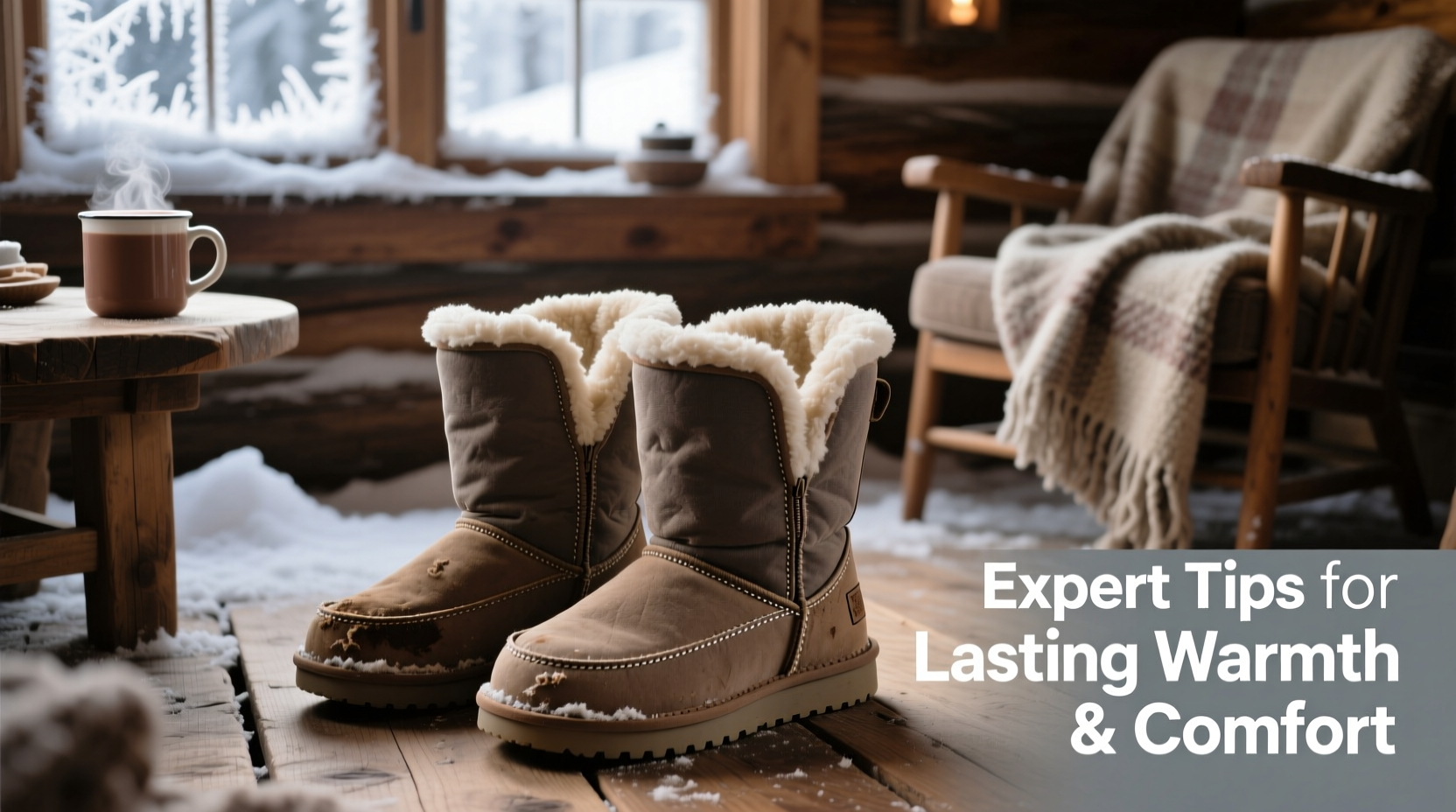
Before diving into care techniques, it's crucial to understand what your boots are made of. Most plush lined snow boots feature a combination of materials:
- Outer shell: Typically rubber, synthetic leather, or waterproof textiles like nylon or polyester with a polyurethane coating.
- Insulation: Fleece, shearling, Thinsulate™, or synthetic plush linings designed to trap heat.
- Sole: Often EVA foam or rubber compound for traction and cushioning.
Each material responds differently to moisture, cleaning agents, and temperature changes. For example, real shearling requires gentle handling and air drying, while synthetic linings tolerate mild detergents better. Always check the manufacturer’s label for care instructions—ignoring these can void warranties or cause irreversible damage.
“Many people treat all snow boots the same, but material-specific care is non-negotiable if you want them to last.” — Dr. Lena Torres, Footwear Durability Researcher, Cold Climate Institute
Daily Maintenance: The First Line of Defense
Preventative care begins the moment you step outside. Simple habits can significantly extend boot life:
- Wipe down after each use: Use a clean, damp cloth to remove surface salt, mud, or slush. Salt is corrosive and can break down adhesives and fabrics over time.
- Avoid overheating: Never place wet boots near radiators, heaters, or direct sunlight. Excessive heat can warp soles, crack outer materials, and shrink plush linings.
- Remove insoles when possible: Taking out removable liners or footbeds allows faster drying and reduces odor buildup.
Deep Cleaning: A Step-by-Step Guide
Monthly deep cleaning prevents grime buildup and maintains breathability. Follow this timeline for best results:
Week 1: Surface Clean
Use a soft brush or microfiber cloth to remove dried-on dirt. For rubber or synthetic exteriors, mix mild dish soap with warm water and gently scrub. Rinse with a damp cloth—never submerge the entire boot.
Week 2: Interior Refresh
If the lining is removable, hand-wash it in cold water with a small amount of wool-safe or delicate detergent. Gently squeeze out excess water—do not wring. Lay flat on a dry towel, reshaping as needed. If non-removable, use a fabric-safe disinfectant spray designed for footwear interiors.
Week 3: Deodorizing & Drying
Place boots in a well-ventilated area at room temperature. Insert crumpled newspaper or silica gel packs to absorb moisture. Replace every few hours until completely dry (usually 24–48 hours).
Week 4: Re-Waterproofing
Once dry, apply a silicone-free waterproofing spray suitable for your boot’s exterior material. Hold 6 inches away and coat evenly. Let dry for 12 hours before storing or wearing.
Care Do’s and Don’ts: Quick Reference Table
| Do | Don't |
|---|---|
| Use lukewarm water and mild soap for cleaning | Machine wash or dry unless explicitly stated by the manufacturer |
| Air dry at room temperature | Expose to direct heat sources |
| Apply waterproofing treatments seasonally | Use petroleum-based products on synthetic linings |
| Store in breathable cotton bags | Leave boots in damp basements or sealed plastic bins |
Storage Strategies for Off-Season Longevity
How you store your boots between seasons determines how well they perform the next winter. Improper storage leads to mold, cracked materials, and compressed padding.
Clean boots thoroughly before storing. Residual salt or moisture can attract pests or encourage mildew. Once dry, stuff the shafts with acid-free tissue paper to maintain shape and absorb ambient humidity. Avoid newspaper—it can transfer ink and acidity over time.
Store in a cool, dry closet away from concrete floors, which retain moisture. Use breathable cotton shoe bags instead of plastic containers. If stacking, place softer items on top to prevent permanent creasing.
Real-World Example: How Proper Care Saved Winter Commutes
Sarah M., a schoolteacher in northern Vermont, relies on her plush lined snow boots for a half-mile walk to work each day. After two harsh winters, her previous pair failed—linings matted, zippers broke, and the sole separated. Last year, she committed to a strict care routine: wiping boots daily, rotating between two pairs, and reapplying waterproofing monthly.
The result? Her current boots remain fully functional after 18 months of heavy use. “I spend five minutes a day on upkeep,” she says, “but it’s saved me $150 in replacements—and my feet stay warmer than ever.”
Frequently Asked Questions
Can I machine wash plush lined snow boots?
Only if the manufacturer explicitly states it’s safe. Most plush lined boots should never be machine washed, as agitation can damage seams, compress insulation, and ruin waterproof membranes. Hand cleaning is always safer.
Why do my boots smell even after washing?
Odor usually stems from trapped moisture or bacterial growth in the lining. Ensure boots are completely dry before storing. Use odor-absorbing insoles or sprinkle baking soda inside overnight, then vacuum out. Avoid scented sprays that only mask smells.
How often should I replace my snow boots?
With proper care, quality plush lined snow boots last 3–5 winters. Signs it’s time to replace include persistent leaks, hardened or compressed soles, delamination, or irreparable odor. Regular inspection helps catch issues early.
Final Thoughts: Small Efforts, Lasting Results
Maintaining plush lined snow boots isn’t about perfection—it’s about consistency. A few minutes of attention after each wear, combined with seasonal deep cleaning and smart storage, pays off in enduring warmth, comfort, and value. These boots are an investment in your winter well-being; treating them as such ensures they’ll support you through countless snowy days ahead.




 浙公网安备
33010002000092号
浙公网安备
33010002000092号 浙B2-20120091-4
Comments
No comments yet. Why don't you start the discussion?