
Sheer curtains add lightness, privacy, and elegance to any room. Their delicate fabric diffuses sunlight beautifully, creating a soft ambiance. But achieving that effortlessly graceful look requires more than just hanging them correctly—it’s in the details, particularly how you secure them during the day. Drawstring tiebacks offer a refined solution, but when applied haphazardly, they can create wrinkles, uneven gathers, or even damage the fabric over time. Mastering the art of securing sheer curtains with drawstring tiebacks is about precision, consistency, and respect for the material.
Why Drawstring Tiebacks Are Ideal for Sheer Curtains
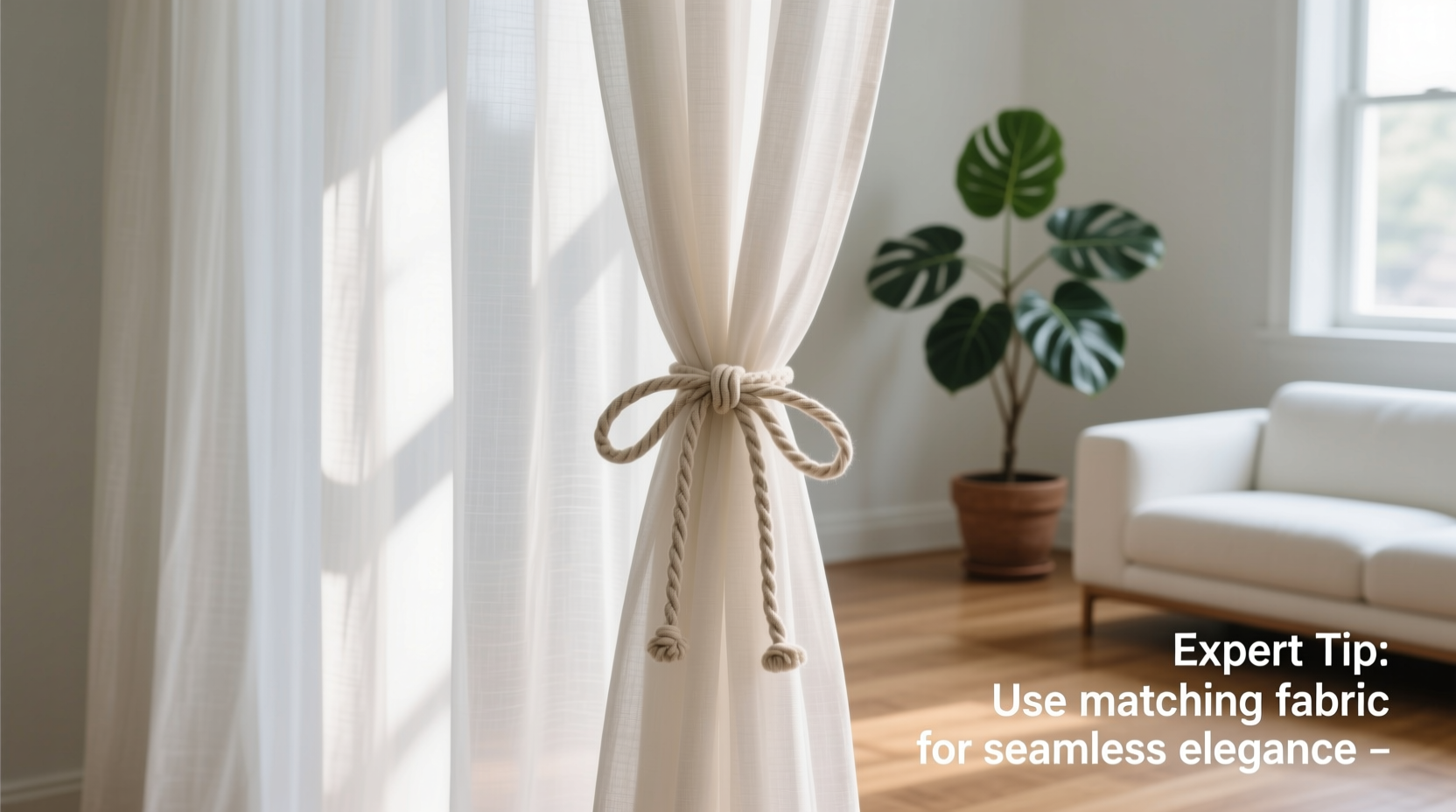
Unlike rigid hooks or clip-on holders, drawstring tiebacks are gentle on lightweight fabrics. They distribute pressure evenly along the curtain edge, minimizing stress points. Most importantly, they allow for adjustable fullness—essential when working with sheers that vary in weight and drape.
Drawstrings also provide a cleaner aesthetic. When tied properly, they form a soft loop that enhances the curtain’s flow rather than interrupting it. This makes them especially suitable for traditional, romantic, or minimalist interiors where visual clutter should be avoided.
“Tiebacks aren’t just functional—they’re finishing touches. A well-tied drawstring can elevate an entire window treatment.” — Lila Monroe, Interior Stylist & Textile Consultant
Step-by-Step Guide to Securing Sheer Curtains Neatly
The key to a polished appearance lies in repetition and attention to symmetry. Follow this methodical process every time you adjust your curtains:
- Open the curtains fully and smooth out any creases from the previous closure.
- Determine the ideal gathering point—typically one-third of the way from the outer edge toward the center of the window. This creates balance without pulling too much fabric away from the glass.
- Lift the curtain gently at the chosen point, allowing the excess fabric to fall into a soft fold below your hand.
- Position the drawstring loop around the gathered section, ensuring it sits horizontally across the curtain width.
- Pull the cords evenly through the loop until the fabric is held securely but not tightly compressed.
- Tie a simple bow using both ends of the drawstring. Avoid knots that are difficult to undo, as frequent tugging can fray the cords.
- Adjust the drape by smoothing the vertical folds above and below the tieback for a clean, cascading effect.
- Repeat on the opposite side, checking alignment at eye level to ensure both sides match in height and fullness.
Choosing the Right Drawstring Material and Design
Not all drawstrings are created equal. The wrong type can slip, stretch, or overwhelm the subtle texture of sheer fabric. Consider these factors when selecting or evaluating your tiebacks:
| Feature | Ideal Choice | Avoid |
|---|---|---|
| Fabric | Satin, silk blend, or tightly woven cotton tape | Loose-knit yarns or elastic bands |
| Width | 1/2 inch to 3/4 inch (1.2–2 cm) | Over 1 inch (2.5 cm) – looks bulky |
| Length | At least 36 inches (90 cm) per side | Short strings that limit tying options |
| End Caps | Aglets (plastic or metal tips) prevent fraying | Bare cut ends that unravel easily |
For high-end finishes, consider custom-made tiebacks that match the curtain’s trim or complement the room’s color palette. Neutral tones like ivory, taupe, or champagne blend seamlessly, while a subtle contrast (e.g., pale gray on white) adds definition without distraction.
Common Mistakes and How to Avoid Them
Even experienced decorators make errors when handling sheer fabrics. Here are frequent missteps and their solutions:
- Tying too tightly – compresses the fabric and causes permanent creasing. Always leave some give in the gather.
- Inconsistent placement – leads to lopsided appearances. Use a small measuring tape or piece of cardboard as a guide for repeatable positioning.
- Using clips or Velcro – may snag fine threads or leave marks. Stick to soft-loop systems designed for delicate materials.
- Ignoring cord maintenance – dust buildup stiffens drawstrings. Clean gently with a damp cloth every few months.
Real-Life Example: Transforming a Sunroom's Ambiance
In a recent project, homeowner Maria R. struggled with her sunroom’s sheer panels constantly slipping out of place. She had been using store-bought polyester tiebacks with metal beads, which pulled unevenly and left visible indentations on the voile fabric.
After switching to custom satin drawstrings with aglets and applying the one-third gathering rule, the transformation was immediate. The curtains now stay put throughout the day, and the soft bows contribute to a cohesive, airy aesthetic. “It’s amazing how something so small made such a big difference,” Maria said. “Now my morning coffee feels like a retreat.”
Care and Maintenance Checklist
To keep both your sheer curtains and drawstring tiebacks looking pristine, follow this monthly routine:
- ☐ Gently untie and release curtains to relax the fabric fibers
- ☐ Inspect drawstrings for fraying or discoloration
- ☐ Wipe cords with a slightly damp microfiber cloth
- ☐ Re-tie using consistent technique and placement
- ☐ Vacuum curtains lightly with brush attachment to remove dust
- ☐ Check mounting hardware for looseness or corrosion
“The best window treatments disappear into the background—not because they’re ignored, but because they feel perfectly natural.” — Adrian Cho, Architectural Interior Designer
Frequently Asked Questions
Can I use decorative tassels with drawstring tiebacks?
Yes, but attach them to the end of the cord rather than integrating them into the main loop. This preserves functionality while adding flair. Ensure tassels aren’t heavy enough to pull down the curtain over time.
How high should I place the tieback on the curtain?
For standard 84-inch panels, aim for 30–36 inches from the floor. This lifts the hem just enough to avoid dragging while maintaining an elegant sweep. Adjust proportionally for longer or shorter lengths.
What if my drawstring keeps coming undone?
Switch from a single knot to a double bow (like tying shoelaces). Alternatively, choose tiebacks with magnetic clasps hidden within the cord design—these hold securely but still allow easy release.
Mastery Through Consistency
Securing sheer curtains with drawstring tiebacks may seem minor, but it reflects a deeper commitment to thoughtful home care. It’s in these quiet details—the symmetry of a bow, the fall of a fold—that comfort and style converge. By treating each adjustment as an opportunity to refine your space, you cultivate an environment that feels intentional and serene.




 浙公网安备
33010002000092号
浙公网安备
33010002000092号 浙B2-20120091-4
Comments
No comments yet. Why don't you start the discussion?