
Plush pillowcases are a luxury addition to any sleep environment—offering cloud-like softness, temperature regulation, and gentle support for skin and hair. However, their delicate fibers require thoughtful care to preserve their texture and longevity. Many people unknowingly damage their plush pillowcases through improper washing, drying, or storage. With the right techniques, you can extend their life by years while maintaining that fresh-from-the-store feel.
This guide delivers expert-backed strategies for cleaning and maintaining plush pillowcases made from materials like microfiber, bamboo, silk-blend, or brushed cotton. Whether you use them nightly or seasonally, these practices ensure lasting softness, color retention, and structural integrity.
Choose the Right Detergent and Wash Cycle
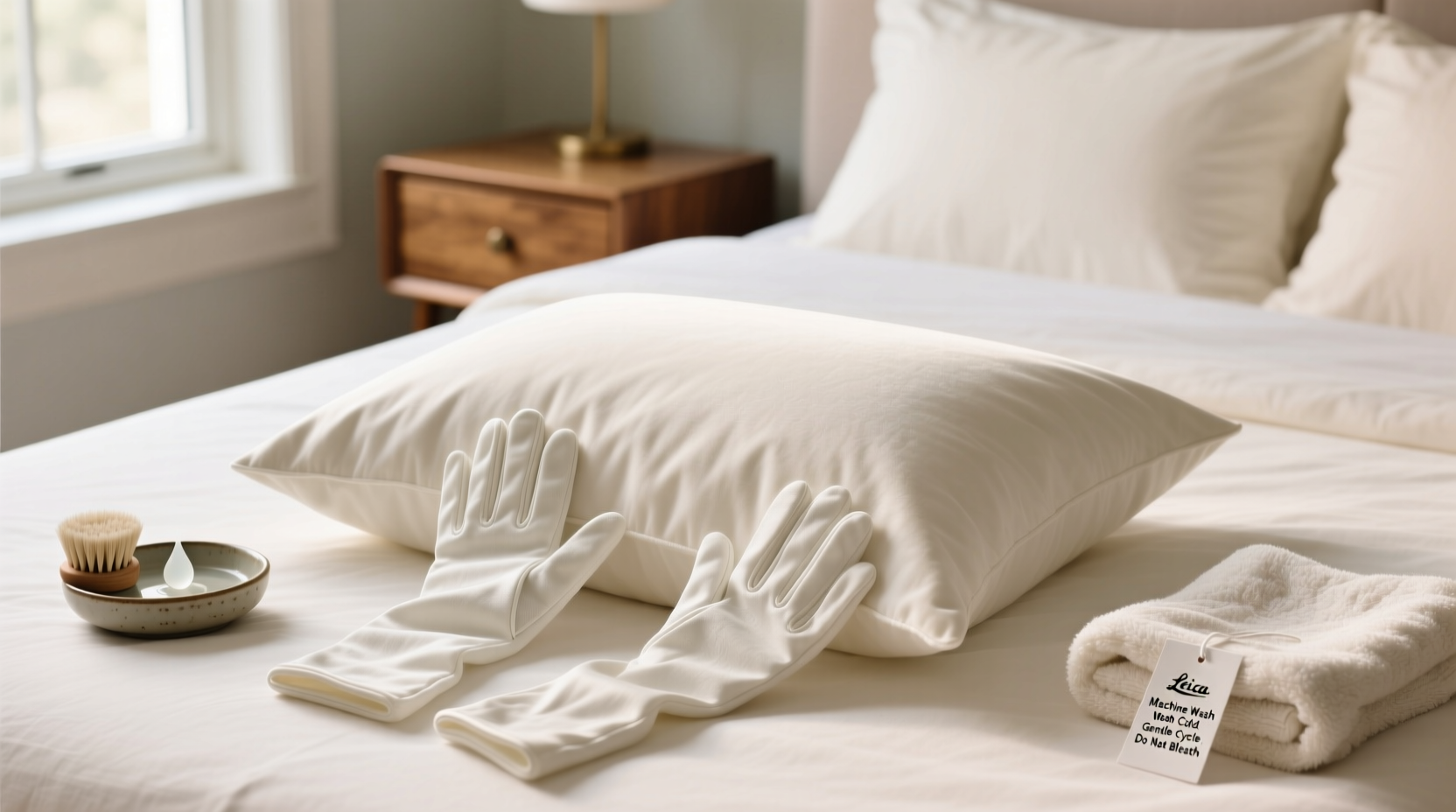
The detergent you use plays a critical role in preserving the plush surface of your pillowcase. Harsh chemicals, bleach, and optical brighteners found in many standard detergents strip natural oils, degrade fibers, and cause pilling over time.
Opt for a mild, fragrance-free, and dye-free liquid detergent. Powder detergents may not dissolve fully in cold water and can leave abrasive residues. For sensitive skin or hypoallergenic needs, consider plant-based formulas with enzymes designed for delicates.
Use a gentle or delicate cycle on your washing machine with cold water (below 30°C / 86°F). High agitation and hot water break down soft fibers rapidly. If your machine allows, reduce spin speed to minimize stress on the fabric.
Drying Techniques That Prevent Damage
Drying is where most plush pillowcases meet their downfall. Tumble drying at high heat causes shrinkage, fiber degradation, and loss of fluffiness. Even air drying requires attention to detail.
The safest method is laying flat to dry on a clean, dry towel away from direct sunlight. Sun exposure fades dyes and weakens fibers, especially in darker colors. If using a dryer, select low heat or “air fluff” mode and remove the pillowcase while slightly damp to avoid over-drying.
Adding wool dryer balls instead of dryer sheets reduces static and softens fibers naturally. Dryer sheets contain chemical coatings that coat fibers and diminish breathability over time.
“Plush textiles thrive on low-stress care. Heat is the enemy of resilience.” — Dr. Lena Tran, Textile Scientist at the Institute of Home Fabric Research
Step-by-Step Guide: Washing Plush Pillowcases Safely
Follow this detailed process to maximize softness and durability every time you wash:
- Check the care label: Confirm fiber type and manufacturer’s instructions. Some blends require hand-washing only.
- Turn inside out: Protects the plush surface from abrasion during the wash cycle.
- Pre-treat stains gently: Use a small amount of enzyme-based stain remover on soiled areas. Avoid scrubbing; dab lightly.
- Wash separately or with similar fabrics: Washing with zippers, buttons, or rough textiles causes pilling.
- Use cold water and mild detergent: Set machine to gentle cycle with minimal agitation.
- Air dry flat: Lay on a clean towel, reshaping to original dimensions. Flip halfway through drying.
- Store properly: Once dry, fold neatly and keep in a breathable cotton bag or drawer.
Do’s and Don’ts: Care Comparison Table
| Action | Do | Don't |
|---|---|---|
| Washing Temperature | Cold water (max 30°C) | Hot or warm water |
| Detergent Type | Mild, liquid, fragrance-free | Bleach, powder, or strong scents |
| Drying Method | Air dry flat or low-heat tumble | High-heat drying or hanging in direct sun |
| Storage | Folded in breathable container | Compressed in plastic bins |
| Frequency | Every 7–10 days with regular use | Infrequent washing leading to oil buildup |
Real Example: How One User Extended Pillowcase Life by 3 Years
Sophie, a nurse working night shifts, invested in two premium bamboo-plush pillowcases to help manage facial sensitivity and frizzy hair. Initially, she washed them weekly with her regular detergent and high-heat drying. Within six months, the fabric thinned, developed pills, and lost its luster.
After consulting a textile care specialist, she switched to a cold, gentle wash with a pH-neutral detergent and began air-drying indoors. She also started using a soft-bristle fabric shaver to gently remove pills without damaging the base layer.
Over the next three years, Sophie maintained consistent care. The pillowcases remained soft, intact, and free of odor despite nightly use. Her dermatologist even noted an improvement in her nighttime skin hydration, attributing it partly to reduced friction from well-maintained fabric.
Essential Checklist for Long-Term Plush Pillowcase Care
- ☑️ Check care labels before first wash
- ☑️ Turn pillowcase inside out before laundering
- ☑️ Use cold water and gentle cycle only
- ☑️ Choose mild, eco-friendly detergent
- ☑️ Air dry flat away from sunlight
- ☑️ Avoid ironing or steaming unless specified
- ☑️ Store folded in a cool, dry place
- ☑️ Rotate between multiple pillowcases to reduce wear
Frequently Asked Questions
Can I wash plush pillowcases with other bedding?
Only if they’re similar in weight and fiber content. Avoid washing with towels, jeans, or items with zippers, as these create friction and lead to pilling. It’s best to wash plush pillowcases separately or with other delicates.
How often should I replace my plush pillowcase?
With proper care, a high-quality plush pillowcase lasts 2–4 years. Signs it’s time to replace include thinning fabric, persistent odors after washing, excessive pilling, or loss of elasticity. Regular maintenance significantly extends usable life.
Are fabric softeners safe for plush pillowcases?
No. Fabric softeners coat fibers with waxy residues that reduce absorbency, breathability, and softness over time. They can also trigger allergies. Instead, use white vinegar (½ cup) in the rinse cycle occasionally to naturally soften fibers and remove detergent buildup.
Preserve Softness and Invest in Better Sleep
Your pillowcase is more than just bedding—it's part of your nightly ritual for rest and rejuvenation. Plush pillowcases offer tangible benefits for hair health, skin comfort, and sleep quality, but only when cared for correctly. By adopting low-impact washing, mindful drying, and proactive maintenance, you protect both your investment and your comfort.
Small habits make a big difference: turning the case inside out, skipping harsh chemicals, and avoiding high heat seem minor but compound into years of extended usability. Treat your plush pillowcases not as disposable items but as long-term wellness tools.




 浙公网安备
33010002000092号
浙公网安备
33010002000092号 浙B2-20120091-4
Comments
No comments yet. Why don't you start the discussion?