
Cats are naturally fastidious animals. In most cases, they instinctively know how to use a litter box with little to no training. Yet, when problems arise—whether it’s avoidance, inappropriate elimination, or sudden changes in habits—it can be frustrating and concerning for pet owners. The good news is that most litter box issues are preventable or correctable with the right approach. Understanding feline behavior, optimizing the litter environment, and addressing underlying stressors are key to maintaining consistent, stress-free litter box use.
Understand Your Cat’s Natural Instincts
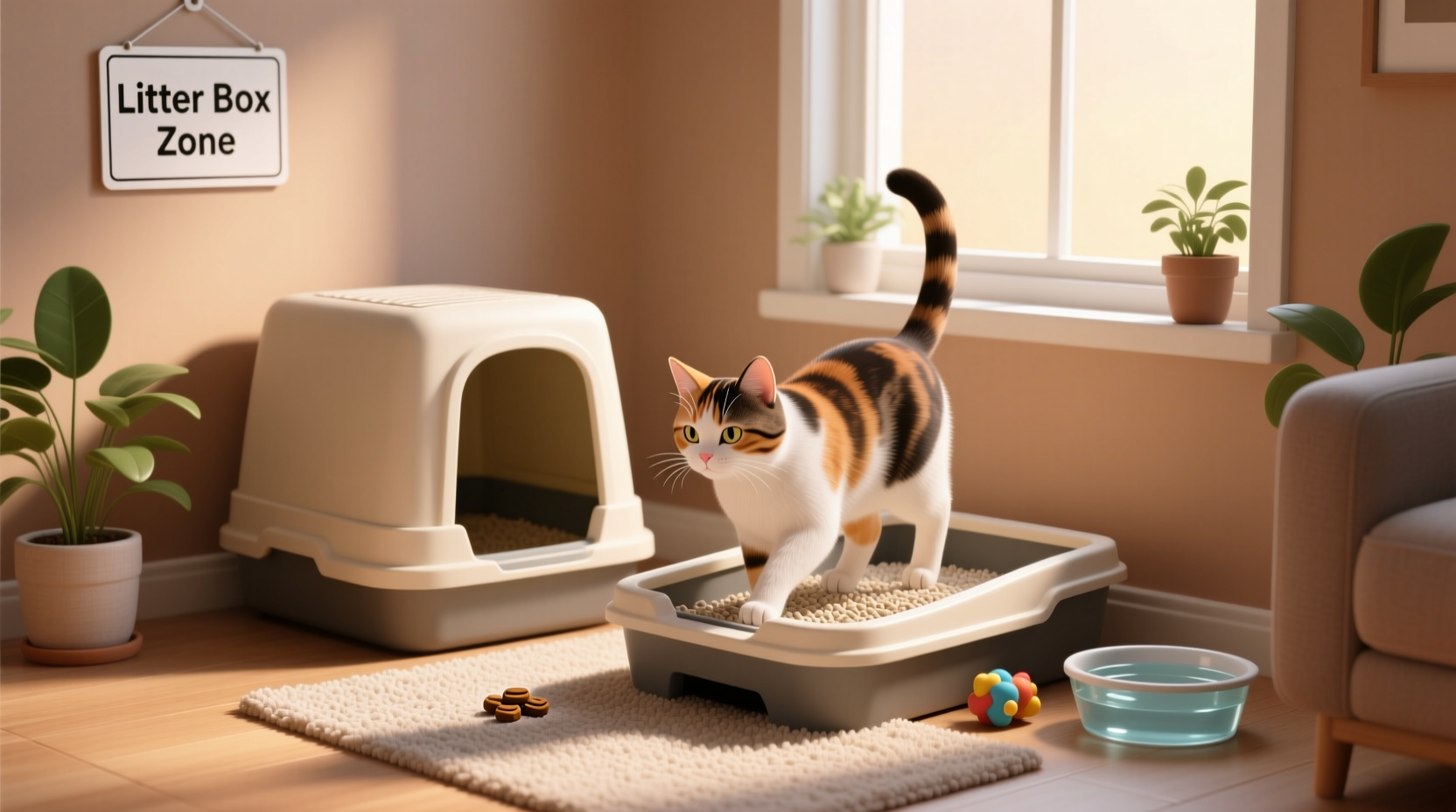
Cats bury their waste to hide their scent from predators—a survival mechanism rooted in their wild ancestry. This instinct means they prefer a clean, private, and accessible place to eliminate. When a cat avoids the litter box, it’s rarely out of spite. More often, it signals discomfort, fear, or dissatisfaction with the current setup.
Factors such as litter texture, box location, cleanliness, and competition with other pets all influence a cat’s willingness to use the box. A single negative experience—like being startled while using the box—can create lasting aversion.
Optimize Litter Box Setup for Success
The physical setup of the litter box plays a major role in your cat’s comfort. Consider these essential factors:
- Location: Place boxes in quiet, low-traffic areas with easy access. Avoid loud appliances (like washing machines) or locations near food and water bowls.
- Type of Box: Some cats prefer covered boxes for privacy; others avoid them due to poor ventilation. Try both styles to see what your cat prefers.
- Litter Depth: Most cats like 1.5 to 2 inches of litter—deep enough to dig, but not so deep it feels unstable.
- Size: The box should be 1.5 times the length of your cat. Larger breeds or older cats may need bigger boxes with lower sides.
“Cats are creatures of habit. A change in litter type, box location, or cleaning product can be enough to deter use.” — Dr. Sarah Thompson, Feline Behavior Specialist
Choose the Right Litter—and Stick With It
Litter preference is highly individual. While some cats adapt easily, others are extremely sensitive to scent, texture, or dust. Unscented, clumping clay litter is the most widely accepted, but alternatives like silica crystals or recycled paper may work better for some cats.
Introducing a new litter? Do it gradually. Mix increasing amounts of the new litter with the old over 7–10 days to ease the transition.
| Litter Type | Pros | Cons |
|---|---|---|
| Clay (clumping) | Highly absorbent, easy to scoop | Can be dusty, some cats dislike texture |
| Silica Gel Crystals | Odor control, lasts longer | No digging sensation, noisy under paws |
| Paper or Recycled | Dust-free, eco-friendly | Less odor control, may not clump well |
| Scented | Masks odors | Artificial fragrances may repel cats |
Step-by-Step Guide to Re-establishing Litter Box Habits
If your cat has started eliminating outside the box, follow this timeline to restore proper use:
- Rule Out Medical Issues (Day 1): Schedule a vet visit. Urinary tract infections, arthritis, or digestive problems can cause accidents.
- Deep Clean Accident Sites (Day 1–2): Use an enzymatic cleaner to fully remove odor traces from carpets, floors, or furniture.
- Assess Current Setup (Day 2–3): Evaluate box location, number of boxes, and litter type. Make adjustments based on your cat’s preferences.
- Restrict Access & Re-train (Days 3–7): Confine your cat to a small area with a clean box, food, water, and bed. Gradually reintroduce freedom as consistency improves.
- Monitor & Reward (Ongoing): Praise quietly when your cat uses the box. Avoid punishment—it increases stress and worsens the issue.
Minimize Stress and Environmental Triggers
Stress is a leading cause of litter box avoidance. Common stressors include new pets, moving, construction noise, or changes in routine. Cats may also avoid boxes if they feel threatened by other animals in the home.
To reduce anxiety:
- Use pheromone diffusers (like Feliway) near litter areas to promote calmness.
- Ensure each cat has its own resources: food bowls, sleeping spots, and litter boxes placed in separate zones.
- Maintain a predictable daily routine for feeding, play, and interaction.
“Over 70% of inappropriate elimination cases I see have an underlying behavioral or environmental trigger—not defiance.” — Dr. Lena Ruiz, Veterinary Behaviorist
Mini Case Study: Rebuilding Trust with Luna
Luna, a 4-year-old domestic shorthair, began urinating beside her litter box after her owner adopted a second cat. The original box was located in the basement near the laundry room—a high-stress zone during conflicts with the new cat.
After a veterinary checkup ruled out infection, the owner implemented changes: added a second litter box on the main floor, switched to unscented clumping litter, and installed a Feliway diffuser. They also confined Luna to a quiet bedroom with her own box for five days, gradually reintroducing shared spaces.
Within two weeks, Luna returned to consistent litter box use. The key was reducing competition and restoring her sense of safety.
Essential Checklist for Litter Box Success
Use this checklist monthly to ensure your setup supports healthy habits:
- ☑ At least one box per cat, plus one extra
- ☑ Boxes placed in quiet, accessible locations
- ☑ Scooped daily, fully changed weekly
- ☑ Cleaned with mild, non-ammonia soap
- ☑ Litter depth between 1.5–2 inches
- ☑ No sudden changes in litter type or brand
- ☑ No obstructions blocking entry (e.g., tight lids, clutter)
- ☑ No placement near loud appliances or food bowls
Frequently Asked Questions
Why is my cat scratching outside the box instead of inside?
Scratching outside the box is usually normal marking behavior. However, if your cat eliminates outside after scratching, the box may be too dirty, too small, or in an undesirable location. Try increasing cleaning frequency or relocating the box.
My kitten keeps missing the box. What should I do?
Kittens are still developing coordination. Use a box with lower sides and place it in a confined space where they spend most of their time. Clean accidents with enzymatic cleaner and supervise closely during potty times.
Can anxiety really stop a cat from using the litter box?
Absolutely. Anxiety disrupts routine behaviors. Changes like moving, new family members, or even a rearranged living room can overwhelm a cat. Addressing the emotional environment is just as important as fixing the physical setup.
Final Thoughts: Consistency Builds Confidence
A cat that consistently uses the litter box does so because the environment meets their physical and emotional needs. It’s not about training the cat to fit your lifestyle—it’s about adapting your setup to align with theirs. By choosing the right litter, maintaining impeccable cleanliness, minimizing stress, and respecting your cat’s instincts, you create a space where using the box feels safe, natural, and routine.




 浙公网安备
33010002000092号
浙公网安备
33010002000092号 浙B2-20120091-4
Comments
No comments yet. Why don't you start the discussion?