
Sandals are a summer staple—lightweight, breathable, and perfect for warm weather. But frequent use, exposure to sun and moisture, and improper care can quickly degrade their structure and comfort. With a few smart habits, you can significantly extend their lifespan and maintain support and cushioning season after season. From material-specific cleaning to proactive maintenance, these expert-backed strategies will help preserve both durability and wearability.
Choose the Right Sandal for Your Lifestyle
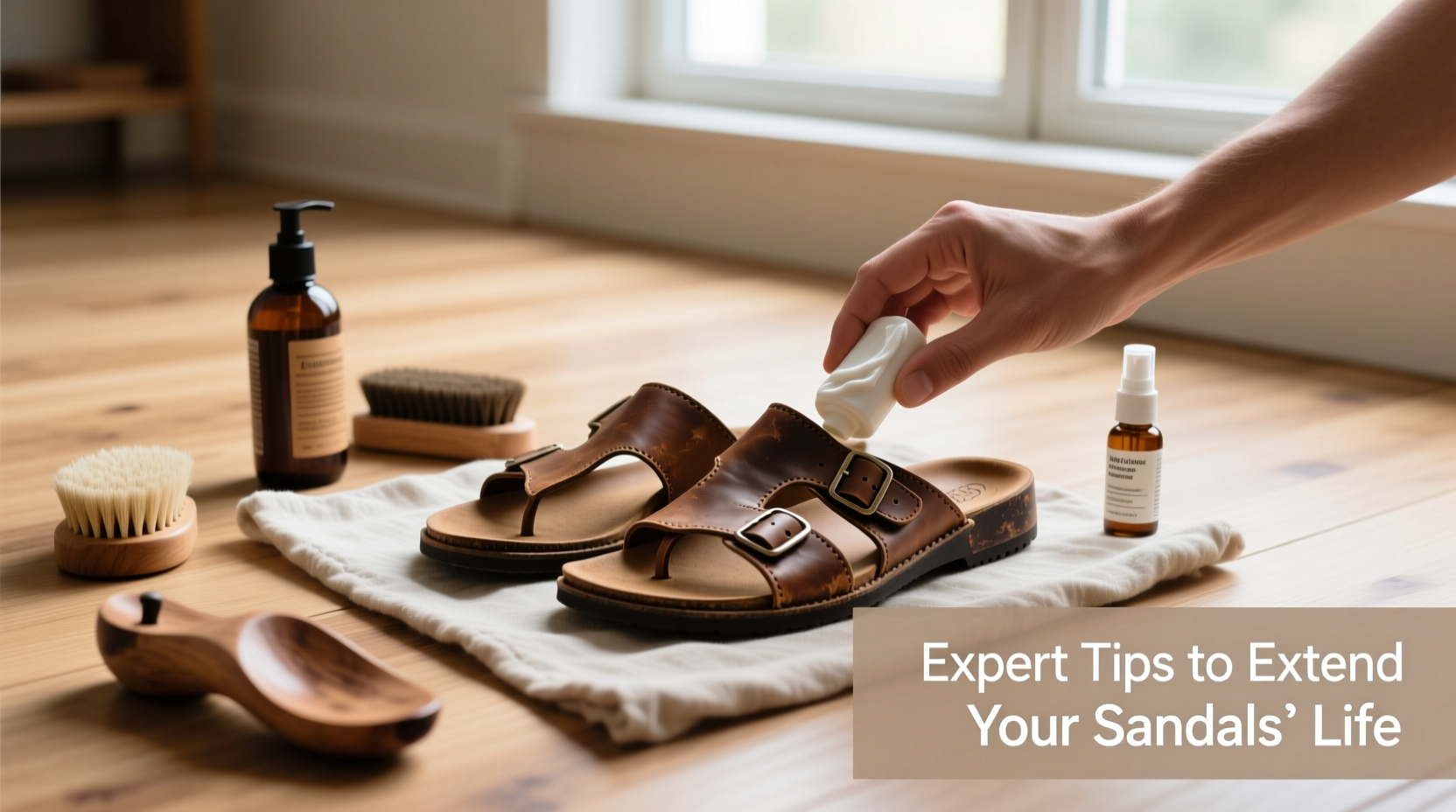
Not all sandals are created equal. The key to longevity starts before purchase. Selecting a sandal that aligns with your daily activities reduces unnecessary strain on materials and construction.
- Hiking or walking-heavy days? Opt for models with EVA midsoles, sturdy straps, and contoured footbeds like those from Teva or Keen.
- Casual beachwear? Lightweight foam or rubber sandals (e.g., Crocs or classic flip-flops) work well but require more frequent replacement.
- Dress occasions? Leather or suede styles last longer when worn occasionally and stored properly.
Paying attention to intended use prevents premature breakdown. A sandal designed for light strolling won’t withstand miles of urban walking without showing signs of wear.
Clean and Maintain Based on Material
Different materials demand different care routines. Cleaning improperly can strip natural oils, crack rubber, or weaken adhesives. Follow these guidelines based on common sandal materials:
| Material | Cleaning Method | Avoid |
|---|---|---|
| Leather | Wipe with damp cloth; condition quarterly with leather cream | Soaking, direct sunlight drying, harsh detergents |
| Rubber/EVA Foam | Scrub with mild soap and soft brush; rinse thoroughly | Bleach, abrasive pads, high heat |
| Fabric/Nylon Straps | Hand wash with gentle detergent; air dry flat | Machine washing, tumble drying |
| Suede | Use a suede eraser or brush; spot clean only | Water immersion, standard cleaners |
For mixed-material sandals, treat each component separately. For example, if your sandal has leather uppers and rubber soles, clean the sole first with a toothbrush and soapy water, then gently wipe the leather with a barely damp cloth.
“Most people ruin their sandals not by wearing them too much, but by cleaning them too harshly.” — Marcus Lin, Footwear Restoration Specialist
Prevent Common Wear-and-Tear Issues
Much of a sandal’s lifespan depends on how you manage everyday stressors. Address these common problems early:
Strap Stretching or Fraying
Elasticated or fabric straps lose tension over time. To slow this down, remove sandals by gripping the heel rather than pulling at the strap. Rotate between multiple pairs to reduce continuous strain.
Sole Separation
Glue degradation is common in hot, humid climates. Avoid leaving sandals in hot cars or near radiators. If you notice lifting, apply a small amount of shoe-safe adhesive like Barge Cement and clamp overnight.
Footbed Compression
Repeated pressure flattens cushioning. Let your sandals rest for at least 12 hours between uses when possible. Consider adding removable orthotic insoles for extra support and to reduce direct wear on the original bed.
Step-by-Step Care Routine for Longevity
A consistent maintenance schedule keeps sandals functional and hygienic. Follow this weekly-to-seasonal timeline:
- After Every Wear: Shake off sand and debris. Wipe visible dirt with a microfiber cloth.
- Weekly: Inspect straps and soles for loose stitching or cracks. Clean according to material (see table above).
- Monthly: Deep clean with appropriate solutions. Condition leather components. Check arch support integrity.
- End of Season: Fully clean and dry. Apply protective sprays (e.g., Scotchgard for fabric, waterproofing for leather). Store properly (see below).
This routine not only extends life but also maintains hygiene—especially important for open footwear exposed to beaches, pools, and sweaty conditions.
Store Smartly to Preserve Shape and Structure
Improper storage leads to warped soles, brittle straps, and mold growth. Whether storing off-season or rotating daily wear, follow these best practices:
- Keep in a cool, dry closet away from humidity and UV exposure.
- Use breathable cotton bags instead of plastic, which traps moisture.
- Stuff footbeds with tissue paper to retain shape if storing long-term.
- Hang sandals with buckled straps to prevent creasing and tension buildup.
If you own multiple pairs, rotate them regularly. Constant use of one pair accelerates fatigue in materials, while rotation allows recovery time—especially for foam-based cushioning.
Mini Case Study: Reviving a Worn Travel Sandal
Sarah, a travel nurse, wore her favorite synthetic-strapped sandals six days a week during a summer deployment. After two months, the left strap began fraying at the ankle buckle, and the footbed had flattened noticeably. Instead of discarding them, she followed a restoration process:
- Washed straps in lukewarm soapy water and air-dried.
- Applied fabric sealant to reinforce the fray point.
- Inserted a thin gel insole to restore cushioning.
- Stored them upright in a ventilated drawer when not in use.
The sandals lasted another full season with no further deterioration. Sarah estimates she extended their life by at least 50% through timely intervention.
FAQ: Common Sandal Care Questions
Can I machine-wash my sandals?
Generally, no. Machine washing exposes sandals to excessive agitation and heat, which damages glue bonds and deforms materials. Hand cleaning is always safer. Only some brands (like certain Crocs models) explicitly approve machine washing—check manufacturer instructions first.
How do I stop my sandals from smelling?
Odor builds up from sweat and bacteria. Prevent it by wearing moisture-wicking socks with slide-style sandals when appropriate. Sprinkle baking soda inside footbeds overnight monthly, then vacuum out residue. Use antimicrobial sprays formulated for footwear. Rotate pairs to allow full drying between uses.
When should I replace my sandals?
Replace them if you notice any of the following: deep cracks in the sole, complete loss of cushioning, persistent discomfort, or irreversible strap damage. As a rule of thumb, performance sandals should be replaced every 6–12 months with regular use; casual styles can last 2–3 years with proper care.
Final Checklist: Extend Life & Comfort in 7 Steps
- ✔️ Match sandal type to activity level
- ✔️ Clean weekly using material-appropriate methods
- ✔️ Air-dry naturally—never use heat
- ✔️ Condition leather and protect fabric seasonally
- ✔️ Rotate between multiple pairs
- ✔️ Store in breathable containers away from light and moisture
- ✔️ Repair minor damage immediately (e.g., re-glue soles, reinforce straps)
Conclusion: Make Comfort Last
Your sandals don’t have to be disposable. With mindful use, regular maintenance, and respect for material limits, they can remain supportive, clean, and comfortable for years. Think of them not as seasonal accessories but as investments in daily well-being. Small actions—like wiping them down after wear or storing them correctly—compound into significant gains in lifespan and foot health.




 浙公网安备
33010002000092号
浙公网安备
33010002000092号 浙B2-20120091-4
Comments
No comments yet. Why don't you start the discussion?