
Korean fashion has surged in global popularity, with handbags from Seoul-based designers becoming must-have accessories for style-conscious consumers. Brands like J.ESTINA, Marchenoir, and LUCIENNE are celebrated for their minimalist elegance, functional design, and premium craftsmanship. However, as demand grows, so does the flood of counterfeit products masquerading as authentic pieces. Distinguishing a genuine high-quality Korean handbag from a fake requires more than just brand recognition—it demands attention to detail, knowledge of materials, and awareness of manufacturing standards.
With prices ranging from mid-tier to luxury, investing in a Korean handbag should mean durability, timeless design, and meticulous construction. This guide breaks down the essential criteria to evaluate authenticity and quality, helping you make informed purchases and avoid costly fakes.
1. Examine the Material Quality and Texture
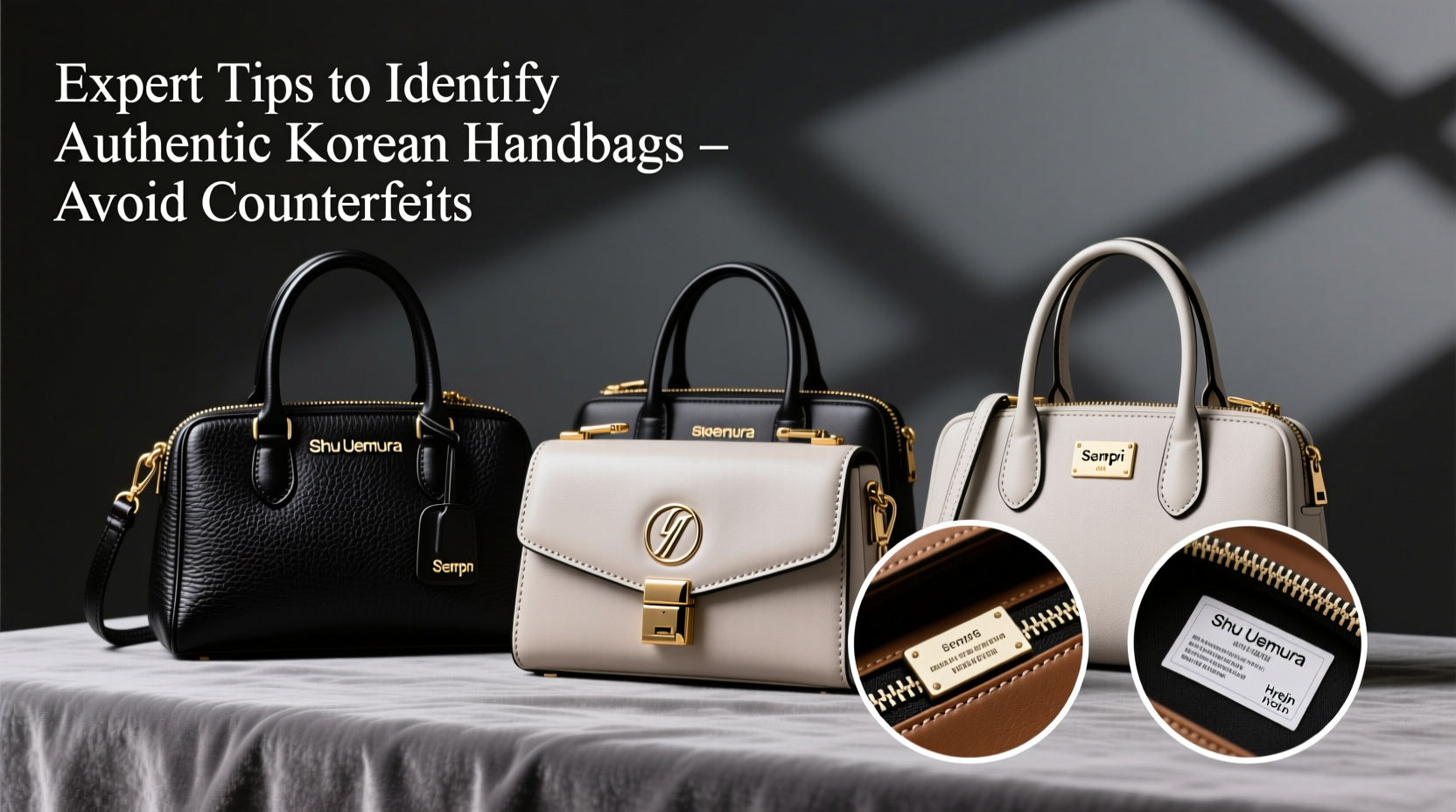
The foundation of any premium handbag lies in its materials. High-end Korean brands typically use full-grain or top-grain cowhide leather, which feels soft yet firm, develops a natural patina over time, and resists cracking. Faux leather or bonded leather—common in counterfeit versions—often feels plasticky, overly smooth, or emits a strong chemical odor.
Genuine leather will have slight imperfections and grain variations, whereas fake leather usually appears too uniform. Touch the surface: real leather breathes and warms slightly under your fingers; synthetic alternatives remain cold and static.
Cloth or canvas bags, such as those from urban streetwear-inspired lines, should be tightly woven with no loose threads or fraying edges. Look for reinforced linings and durable interior fabrics like polyester-cotton blends that resist tearing.
2. Inspect Stitching and Construction Precision
Stitching is one of the most telling signs of craftsmanship. Authentic Korean handbags feature consistent, tight stitching with 8–12 stitches per inch. The thread should be waxed or reinforced, resistant to fraying, and perfectly aligned along seams.
Check both exterior and interior seams. Uneven spacing, skipped stitches, or loose threads are red flags. In genuine products, corners are reinforced with box stitching or bartacks, especially at stress points like strap attachments.
Also observe how components are assembled. High-quality bags use rivets, metal grommets, or double-layered fabric at joints. Counterfeits often rely on glue or weak stitching, leading to premature detachment of handles or pockets.
“Precision stitching isn’t just aesthetic—it’s structural integrity. A single misaligned seam can compromise the entire bag.” — Min-Jae Park, Seoul Handbag Artisan & Designer
3. Analyze Hardware and Functional Details
Korean luxury brands invest in premium hardware. Zippers should glide smoothly without catching; reputable models often use YKK, Riri, or custom-branded zippers with engraved logos. Magnetic clasps snap firmly, and turn-lock mechanisms engage crisply.
Metal elements like buckles, feet, and logo plaques should feel substantial, not lightweight or hollow. Look for fine engraving rather than stamped or painted logos. Painted logos often chip after minimal use—a hallmark of lower-tier replicas.
Pay attention to finish consistency. Brushed gold should match across all pieces; silver-tone hardware shouldn’t tarnish within weeks. If the zipper pull feels flimsy or wobbles, it’s likely a counterfeit.
| Feature | Authentic Indicator | Counterfeit Red Flag |
|---|---|---|
| Zipper | Smooth glide, branded pull (e.g., YKK) | Stiff movement, unbranded or misspelled tag |
| Strap Attachments | Reinforced with metal rings or rivets | Sewn directly with thin thread |
| Interior Lining | Dense weave, color-coordinated, stitched evenly | Loose threads, off-color seams, peeling fabric |
| Logo Plate | Engraved, polished edges, secure mounting | Glued-on plastic, uneven lettering |
4. Verify Branding, Labels, and Serial Markers
Authentic Korean handbags include precise branding details. Logos are centered, symmetrical, and free of spelling errors. Font weight and spacing match official product images exactly. For example, J.ESTINA uses a clean serif font with balanced kerning—replicas often distort this.
Inside the bag, look for a serial number or authenticity card. Many Korean brands embed microchips or QR codes on limited editions. Scanning these should redirect to the brand’s official verification portal. Some even include holographic stickers with shifting patterns when tilted.
Labels should be sewn neatly into the interior lining, not glued or loosely attached. They typically list the brand name, country of manufacture (usually South Korea or Vietnam), material composition, and care instructions in Korean and English.
5. Step-by-Step Guide to Spotting a Fake Korean Handbag
Follow this practical inspection process before purchasing or upon receiving a new bag:
- Review Packaging: Authentic bags come in dust bags made of soft cotton or non-woven fabric with embroidered or printed logos. Boxes are sturdy, branded, and include care cards.
- Check Proportions: Measure the bag against official specs. Counterfeits often have distorted dimensions—slightly wider bases or shorter straps.
- Inspect Interior Pockets: Real bags have structured internal compartments with clean edges. Fake versions may have lopsided pockets or mismatched zippers.
- Test Weight: Premium materials add heft. If the bag feels unusually light, it may be made with inferior synthetics.
- Verify Retailer Authenticity: Buy only from authorized dealers, brand boutiques, or trusted platforms like Coupang Global, SSG.COM, or 29CM. Avoid third-party marketplaces with unverified sellers.
Mini Case Study: How One Buyer Avoided a $400 Scam
Jiyeon Kim, a fashion buyer from Busan, nearly purchased a “discounted” LUCIENNE tote online for ₩600,000 (~$450). The listing had professional photos, but upon closer inspection, she noticed the logo was slightly bolder than usual and the stitching near the handle was uneven. She contacted LUCIENNE’s customer service with the serial number provided by the seller—the brand confirmed it didn’t match any registered product. The seller disappeared after she confronted them. By applying simple verification steps, Jiyeon saved herself from a high-end replica and reported the vendor to the platform.
Common Myths About Korean Handbags Debunked
- Myth: “All Korean bags are affordable.”
Truth: While some brands offer value pricing, luxury labels like J.ESTINA or Andersson Bell produce handbags exceeding $800 due to imported materials and artisan labor. - Myth: “If it says ‘Made in Korea,’ it’s authentic.”
Truth: Counterfeiters can label anything. Origin is just one factor—combine it with material and construction analysis. - Myth: “Korean fakes are harmless because they’re well-made.”
Truth: Even high-tier replicas lack warranty, ethical sourcing, and long-term durability. Supporting fakes harms local designers and workers.
Frequently Asked Questions
How can I verify a Korean handbag if buying internationally?
Request high-resolution photos of the serial number, interior label, and stitching details. Cross-reference with the brand’s official site or contact their international customer service. Use authenticated retailers like YesStyle, Musinsa Global, or StyleNanda.
Do all authentic Korean handbags have a certificate of authenticity?
Not always. While many do, some smaller designers rely on packaging and craftsmanship as proof. Always check multiple indicators rather than relying on a single document.
Are there apps to scan for fake Korean bags?
Currently, no universal app verifies Korean handbags. However, brands like KAKAO FRIENDS and some luxury labels offer proprietary QR code scanners via their official mobile apps.
Final Checklist Before Purchase
- ✅ Material Check
- Leather feels natural, not plastic-like; fabric is tightly woven.
- ✅ Stitching Test
- Even, tight stitches with no loose ends or misalignment.
- ✅ Hardware Quality
- Zippers operate smoothly; metal parts feel dense and well-finished.
- ✅ Logo Accuracy
- Correct font, size, alignment, and language (Korean + English).
- ✅ Seller Verification
- Purchased from official store, authorized retailer, or verified platform.
Conclusion: Invest Wisely, Wear Confidently
A high-quality Korean handbag is more than an accessory—it’s a statement of taste, craftsmanship, and cultural appreciation. With rising counterfeit sophistication, vigilance is no longer optional. By mastering the nuances of materials, construction, and branding, you protect your investment and support ethical fashion innovation in Korea.
Next time you admire a sleek shoulder bag from Seoul’s latest collection, don’t just fall for the aesthetics. Lift the flap, run your fingers along the seams, and ask: does this piece meet the standard of true quality? Your discernment ensures you carry authenticity in every sense.




 浙公网安备
33010002000092号
浙公网安备
33010002000092号 浙B2-20120091-4
Comments
No comments yet. Why don't you start the discussion?