
Rosewater toner has long been a staple in beauty routines across cultures, prized for its gentle fragrance, soothing properties, and ability to refresh the skin. From ancient Persian rituals to modern-day K-beauty regimens, this floral mist is celebrated for its calming effects on irritation, redness, and dehydration. But with prices ranging from $5 at the local pharmacy to over $50 for high-end brands, a pressing question arises: Is it worth splurging on premium rosewater toners, or can drugstore alternatives offer comparable results?
The answer isn’t as simple as “you get what you pay for.” While some luxury formulations include advanced ingredients and meticulous sourcing, many affordable versions rely on the same core component—distilled rose petals—and deliver similar hydration and pH balancing benefits. To determine whether the price gap reflects real value, we need to examine ingredient quality, formulation science, skin compatibility, and user experience.
What Does Rosewater Toner Actually Do?
Rosewater is produced by steam-distilling rose petals, typically from *Rosa damascena* or *Rosa centifolia*. This process extracts water-soluble compounds, including antioxidants like quercetin and kaempferol, along with small amounts of essential oils such as citronellol and geraniol. These components contribute to rosewater’s anti-inflammatory, antimicrobial, and mildly astringent properties.
In skincare, rosewater toner serves several key functions:
- Hydration boost: Acts as a humectant, drawing moisture into the upper layers of the skin.
- pH rebalancing: Helps restore the skin’s natural acidity after cleansing, which strengthens the moisture barrier.
- Soothing relief: Reduces redness and irritation, especially beneficial for sensitive or reactive skin types.
- Cleansing aid: Removes residual impurities post-cleansing without stripping natural oils.
Unlike harsh alcohol-based toners of the past, modern rosewater formulas are generally mild and suitable for most skin types, including dry, oily, combination, and acne-prone complexions.
Luxury vs. Drugstore: Breaking Down the Differences
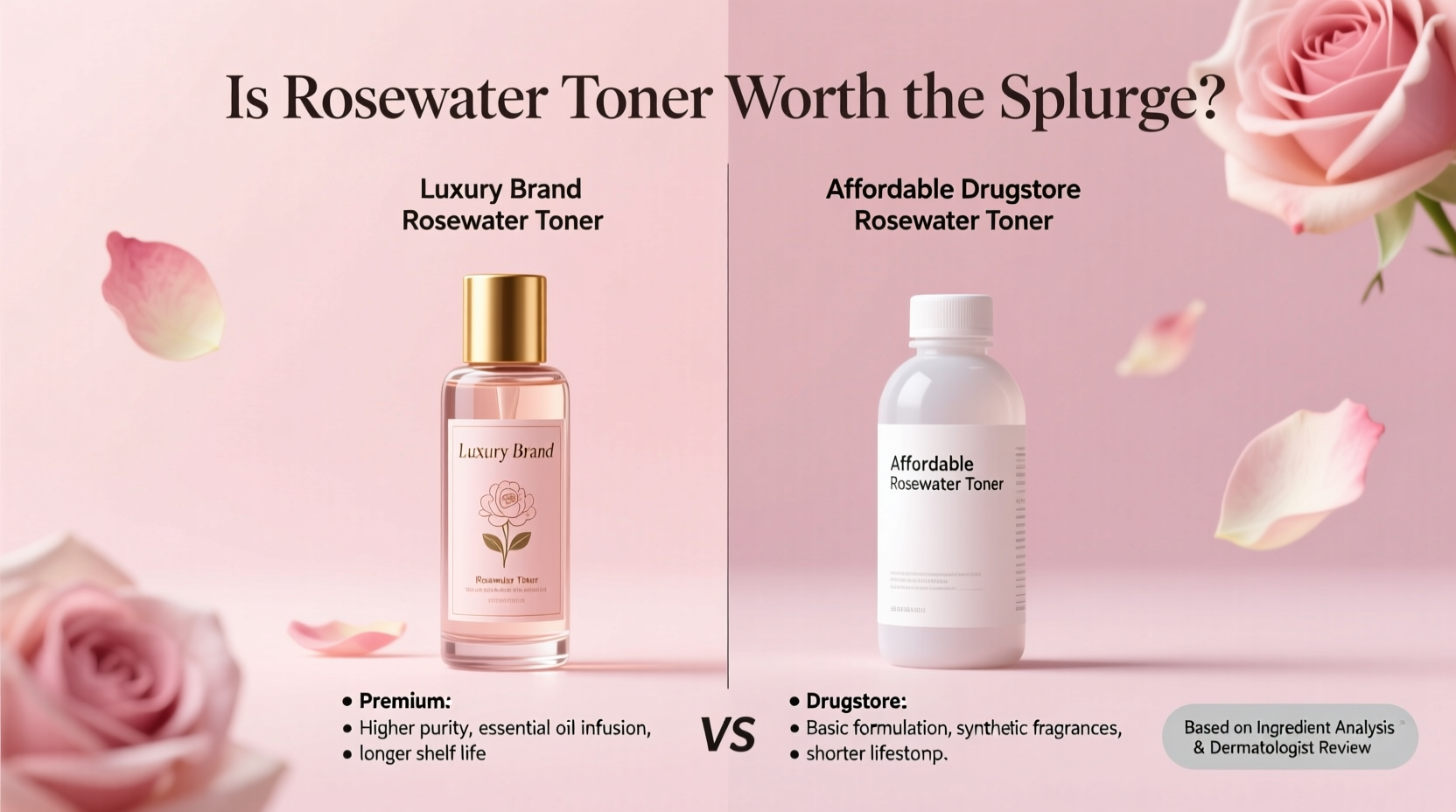
Premium rosewater toners often come in elegant packaging, feature organic certifications, and highlight artisanal distillation methods. Brands like Heritage Store, Mario Badescu, and Fresh position their products as spa-like indulgences. In contrast, drugstore options from The Ordinary, CeraVe, and Simple Skincare emphasize affordability and accessibility.
So where does the money go when you upgrade?
| Factor | Luxury Rosewater Toners | Drugstore Rosewater Toners |
|---|---|---|
| Average Price | $20–$50 | $5–$15 |
| Key Ingredients | Organic rose hydrosol, added botanicals (chamomile, aloe), essential oils | Pure rosewater, minimal additives, sometimes preservatives |
| Sourcing & Distillation | Often cold-process, small-batch, sustainably farmed roses | Industrial-scale distillation; source varies |
| Additives | Fragrance, colorants, stabilizers (sometimes) | Minimal; focus on simplicity |
| Skin Feel | Luxurious mist, lingering scent, silky finish | Lightweight, fast-absorbing, less aromatic |
| Preservation | Natural preservatives (e.g., radish root ferment) or refrigeration recommended | Synthetic preservatives (e.g., phenoxyethanol) for longer shelf life |
While luxury brands may use higher-grade roses and gentler processing techniques, many experts argue that the functional benefits of rosewater remain consistent across price points—especially when the primary ingredient is pure rose hydrosol.
“The efficacy of rosewater lies in its purity, not its price tag. A well-formulated drugstore version with clean ingredients can be just as effective as a luxury option.” — Dr. Lena Patel, Board-Certified Dermatologist
When Splurging Makes Sense
There are specific scenarios where investing in a premium rosewater toner delivers tangible benefits:
- Sensitive or reactive skin: High-end formulations often avoid synthetic fragrances and alcohols, reducing the risk of irritation. For example, Herbivore Botanicals’ Rose Water uses only organic rosewater and chamomile extract, making it ideal for those prone to flare-ups.
- Added active ingredients: Some luxury toners blend rosewater with hyaluronic acid, niacinamide, or green tea extract, enhancing hydration and antioxidant protection beyond basic rosewater.
- Eco-conscious sourcing: Premium brands are more likely to prioritize sustainable farming, ethical labor practices, and recyclable packaging—important factors for environmentally aware consumers.
- Multi-use versatility: Products like Fresh Rose Deep Hydration Toner combine rosewater with glycerin and rose oil for both toning and setting makeup, offering dual functionality.
If your skincare goals extend beyond basic hydration—to include anti-aging support, enhanced radiance, or holistic wellness—the added complexity of a luxury formula might justify the cost.
Mini Case Study: Sarah’s Sensitive Skin Journey
Sarah, a 34-year-old with rosacea-prone skin, had used budget rosewater sprays for years. While they provided temporary relief, she noticed recurring stinging sensations and occasional breakouts. After consulting a dermatologist, she switched to a fragrance-free, organic rosewater toner from a clean beauty brand. Within three weeks, her redness decreased significantly, and her skin felt calmer throughout the day. The difference wasn’t just the rosewater—it was the absence of hidden irritants common in cheaper versions.
This case illustrates that for certain skin conditions, purity matters more than price—but not all expensive products are inherently safer. Always read labels carefully.
When Drugstore Versions Are Just as Good
For many users, affordable rosewater toners perform identically to their pricier counterparts. The Ordinary’s Rose Hydrosol, priced under $10, contains only Rosa damascena flower water and is free from parabens, sulfates, and drying alcohols. It’s become a cult favorite due to its transparency and effectiveness.
Similarly, Simple Kind to Skin Soothing Facial Toner includes rosewater alongside vitamin B5 and witch hazel, offering a balanced formula at a fraction of luxury costs. Clinical testing shows no significant difference in hydration levels or pH stabilization between these and high-end equivalents when used consistently.
Moreover, because rosewater itself is relatively stable and inexpensive to produce at scale, mass-market manufacturers can maintain quality without inflating prices. As long as the product lists \"rose hydrosol\" or \"Rosa damascena flower water\" as the first ingredient and avoids unnecessary additives, it’s likely delivering real benefits.
Checklist: How to Choose the Right Rosewater Toner for You
- ✅ Check the ingredient list: Look for “Rosa damascena” or “rose hydrosol” as the first ingredient.
- ✅ Avoid alcohol denat, synthetic fragrances, and dyes if you have sensitive skin.
- ✅ Consider preservation method: Refrigerated or short-shelf-life products may lack preservatives but require faster use.
- ✅ Match the formula to your skin type: Oily skin may benefit from light astringency; dry skin needs extra humectants.
- ✅ Test for irritation: Patch test behind the ear before full-face application.
- ✅ Evaluate usage frequency: If using daily, a larger, affordable size may be more practical.
Step-by-Step Guide to Using Rosewater Toner Effectively
To maximize the benefits of any rosewater toner—regardless of price—follow this routine:
- Cleanse your face: Use a gentle facial cleanser suited to your skin type. Rinse thoroughly with lukewarm water.
- Apply toner immediately: Pour a small amount onto a cotton pad or spritz directly onto your face. Avoid rubbing; instead, press or swipe lightly.
- Layer while damp: Leave skin slightly wet and proceed to serum or moisturizer to seal in hydration.
- Reapply during the day (optional): Use as a refreshing mist over makeup or when skin feels tight.
- Store properly: Keep in a cool, dark place. If preservative-free, refrigerate and use within 3 months.
Consistency enhances results. Daily use over 4–6 weeks typically leads to improved texture, reduced redness, and a more balanced complexion.
Frequently Asked Questions
Can I make my own rosewater at home?
Yes, but with caveats. Homemade rosewater made by boiling food-grade rose petals can work, but lacks proper sterilization and may spoil quickly. Without precise distillation, the concentration of active compounds is lower, and contamination risks are higher. For reliable results, store-bought is safer.
Does rosewater help with acne?
Indirectly. Rosewater won’t treat active breakouts like salicylic acid or benzoyl peroxide, but its anti-inflammatory properties can soothe irritated skin and reduce post-acne redness. However, avoid versions with added fragrance or alcohol, which may worsen acne.
How long does a bottle last?
A standard 8 oz (240 ml) bottle used twice daily should last about 2–3 months. Smaller travel sizes (1–2 oz) may run out in 2–4 weeks. Preservative-free versions degrade faster—check expiration dates and monitor for cloudiness or odor changes.
Final Verdict: Is the Splurge Worth It?
The truth is, most people don’t need to spend $40 on a rosewater toner. For everyday hydration, pH balancing, and gentle refreshment, a well-formulated drugstore option performs just as effectively as a luxury alternative. The Ordinary, Thayers Alcohol-Free Rose Petal Toner, and Heritage Store Rosewater (which straddles mid-range pricing) consistently receive high marks for purity, performance, and value.
That said, splurging becomes worthwhile when you have specific concerns—such as extreme sensitivity, environmental exposure, or a desire for ethically sourced ingredients. In those cases, paying more for cleaner formulations, superior sourcing, or added skincare actives can enhance your routine meaningfully.
Ultimately, the best rosewater toner is one that fits your skin’s needs, lifestyle, and values—not just your budget. Read labels, know your skin, and don’t assume higher price equals better results.




 浙公网安备
33010002000092号
浙公网安备
33010002000092号 浙B2-20120091-4
Comments
No comments yet. Why don't you start the discussion?